
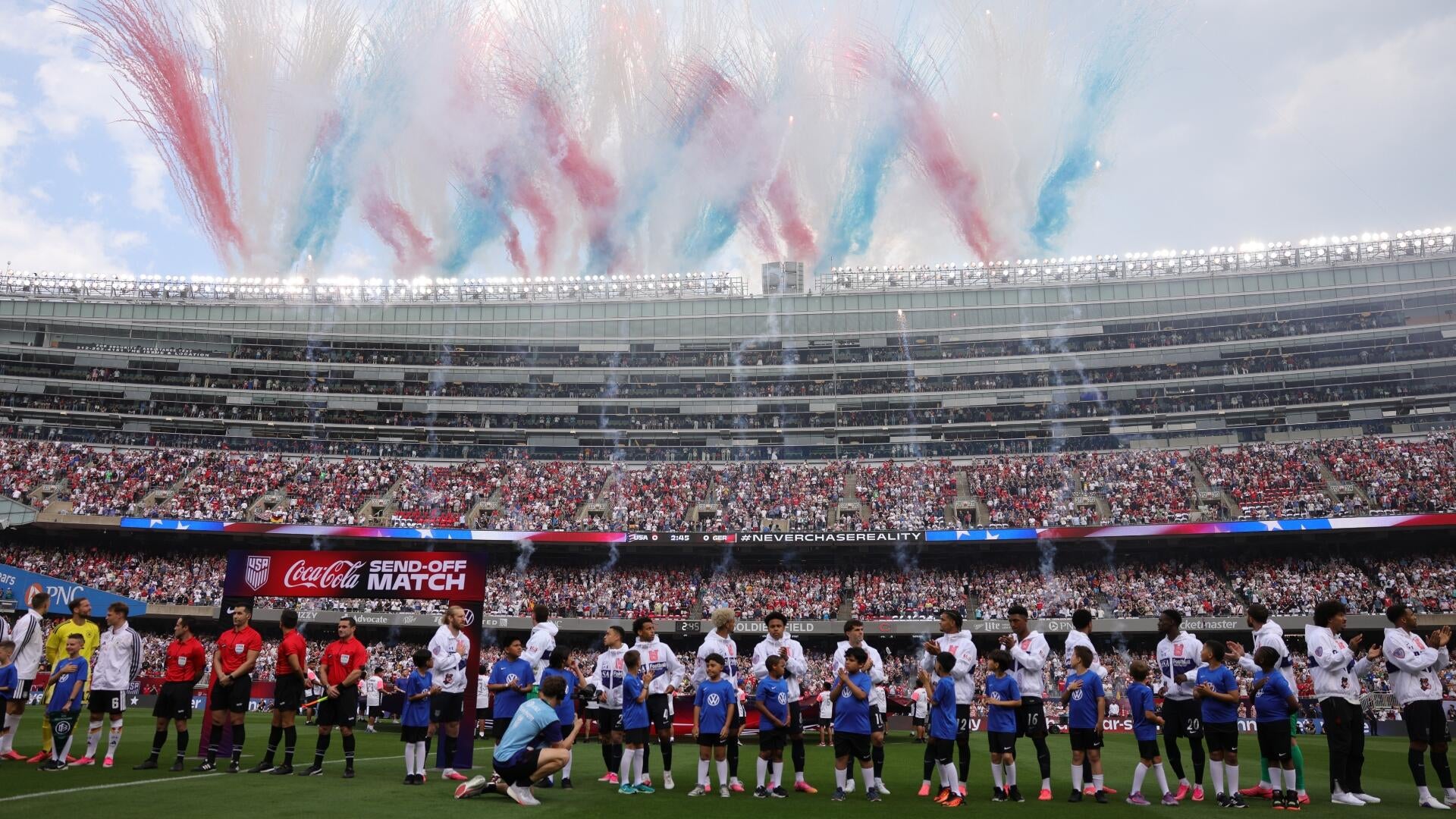
In four days, the USMNT will walk out at SoFi Stadium in Inglewood, California, to face Bolivia in their opening World Cup group match. On paper, it is a home game. In reality, the atmosphere inside the multi-billion-dollar venue is highly unpredictable. SoFi Stadium, with its luxury suites, cavernous acoustics, and high-priced seating, is designed for the corporate pageantry of the NFL, not the claustrophobic, intense pressure cookers of international soccer.
Compare that to the scene that played out in Chicago during the final pre-tournament warm-up cycle. Soldier Field did not offer pristine sightlines or state-of-the-art digital canopies. Instead, it delivered a chaotic, deafening wall of sound, fueled by a working-class soccer community that reflects the true demographic shift of the sport in America. The crowd was loud, partisan, and highly reactive to every tactical shift on the pitch. It was an environment that actively aided the high-pressing, high-energy system favored by the coaching staff.
In California and Texas, the USMNT has historically struggled to maintain a clear home-field advantage, frequently finding themselves playing in front of split crowds or outright hostile majorities when facing Latin American opposition. The fear among US Soccer insiders is that the tournament's group-stage matches will feel more like neutral corporate exhibitions than true home games. The team will have to manufacture its own energy on the pitch, rather than feeding off a hostile stadium designed to rattle opponents. Without that emotional edge, tactical execution becomes much harder, especially for a young roster carrying the weight of a nation's expectations.