
Expect a fundamental change in the Magic’s on-court identity as Sweeney implements the defensive principles he honed under the Gregg Popovich tree. The high-frequency isolation sets that plagued the team during the Mosley era will likely be replaced by a more structured, ball-movement-heavy offensive approach designed to improve efficiency in the clutch. Sweeney is expected to enforce a stricter accountability standard, particularly on the defensive end, where the team has struggled to execute in high-leverage moments. Players will face a shorter leash when it comes to shot selection and defensive lapses, reflecting the front office's desire to transition from a 'growth' mindset to a 'results' mindset. This shift will likely lead to a more disciplined, albeit potentially less fluid, style of play in the coming season.
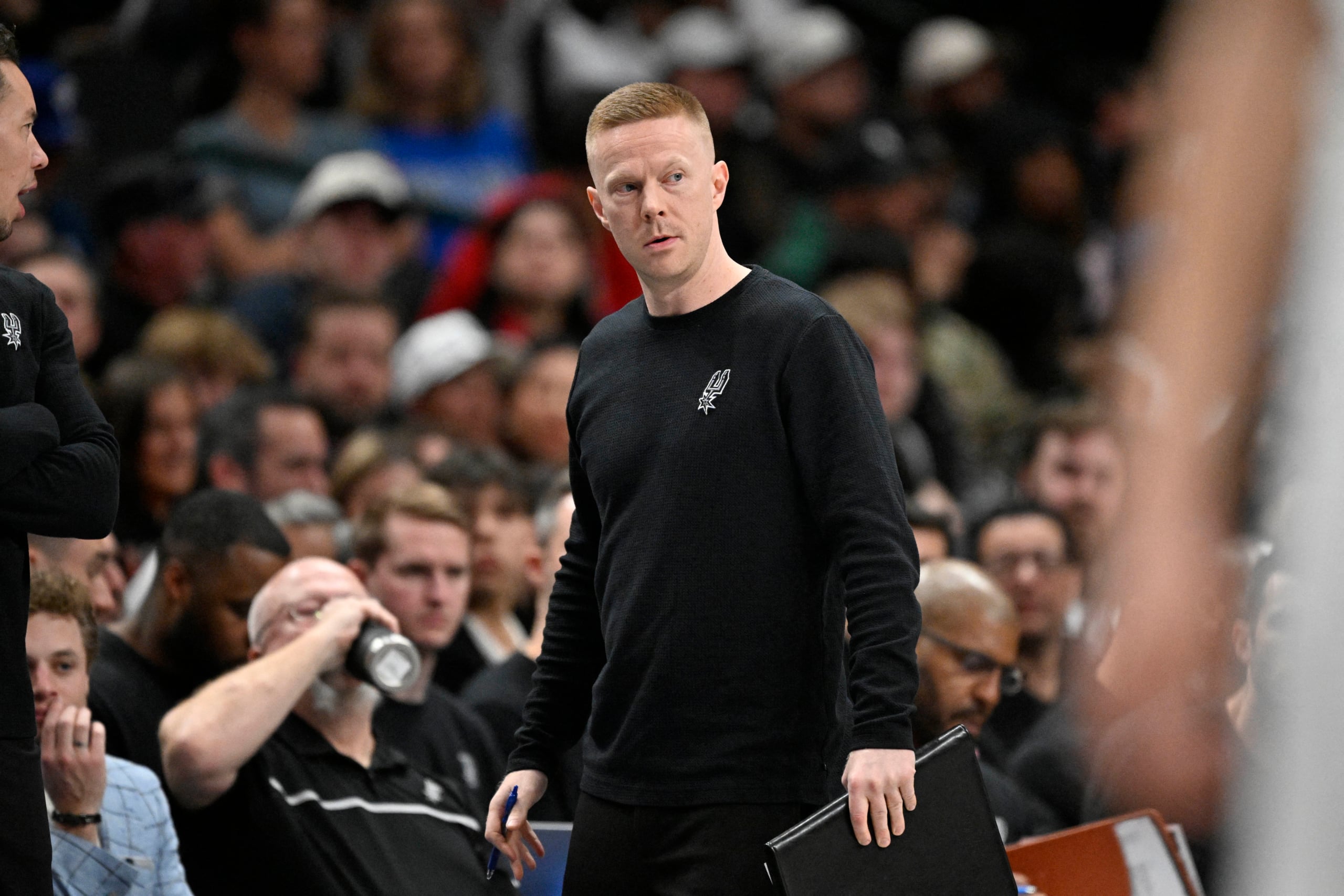
Image: courtesy of Sportsnaut
The Orlando Magic Pivot: Why the Sean Sweeney Hire is a High-Stakes Gamble on Defensive Identity
Following the dismissal of Jamahl Mosley, the Orlando Magic have turned to San Antonio Spurs assistant Sean Sweeney to lead their roster. This move signals a definitive end to the team's lengthy developmental phase, prioritizing tactical discipline and late-game efficiency over the nurturing of young talent. The organization is betting that a shift to a rigid, defensive-minded system will elevate the team from a lottery-bound squad to a legitimate Eastern Conference playoff contender.
Outlook
Background
The decision to move on from Jamahl Mosley was driven by a recurring statistical failure: the team’s inability to close out close games throughout the 2025-2026 season. While Mosley was successful in building a foundation for a young core, the front office viewed his coaching as a ceiling for the team’s development. The Magic finished 24th in effective field goal percentage, a metric that underscored the offensive stagnation that occurred under the previous staff. By hiring Sweeney, President of Basketball Operations Jeff Weltman is attempting to import the 'Spurs culture'—a system renowned for maximizing roster efficiency. This move places immense pressure on the front office to justify the coaching change, as the roster remains largely unchanged from the previous year.
See also
Precedents
The history of NBA coaching hires shows that poaching assistants from elite organizations like San Antonio is a frequent, yet volatile, strategy. While some coaches like Mike Budenholzer successfully translated that institutional discipline into head coaching success, others have struggled when removed from the specific ecosystem of established veterans and legendary mentors. The 'Spurs effect' often relies on a pre-existing culture of selflessness and discipline, which can be difficult to replicate in a team that is still learning how to win. Orlando is effectively testing whether these principles are universal or dependent on the specific personnel that defined the Spurs' dynasty. This pattern demonstrates that while the pedigree of an assistant coach is valuable, the ultimate success of the hire depends on the alignment between the coach's philosophy and the team's current personnel reality.
The success or failure of this hire will serve as a bellwether for how the league approaches the next generation of coaching talent. As the era of the 'retread' coach wanes, teams are increasingly looking for tactical specialists who can turn potential into wins without needing massive roster overhauls. For the Magic, the stakes are existential: if Sweeney fails to produce immediate improvement, it will call into question the entire long-term strategy of the front office. Furthermore, this move forces the players to adapt to a new, more demanding standard, testing the maturity of a core that has only known one system. The outcome of this transition will determine whether the Magic solidify their place as a perennial playoff team or drift back into the uncertainty of a total rebuild.
Scenarios
Analysis1. The Immediate Impact: Sweeney’s defensive focus leads to a 15% increase in clutch-time efficiency, propelling the Magic into a top-six seed and validating the front office's gamble. 2. The Structural Stagnation: The defense improves, but the team's lack of elite shot-creation talent leads to a mediocre .500 record, causing friction between players and the new, rigid system. 3. The Cultural Friction: The players struggle to move on from the previous coaching era, resulting in a slow start that forces a mid-season fire sale and leads to a full roster overhaul.
Timeline
Frequently Asked Questions
Discussion
Be the first to share your thoughts.