
Veridact
TechSportsFinanceGaming🎯 PredictionsAbout
Sign InSign Up
Veridact

AI-powered anticipation analysis. We cover tech, sports, finance, and gaming events before they happen — with historical context, scenario modeling, and evolving coverage.

Stay ahead of the story

Analysis delivered before events unfold.

Coverage

  • Tech
  • Sports
  • Finance
  • Gaming

Company

  • About Us
  • Privacy Policy

© 2026 Veridact. AI-assisted analysis platform.

Analysis is AI-generated and not professional financial, legal, or medical advice.

Sports
4 MLB Trades to Strengthen World Series Contenders

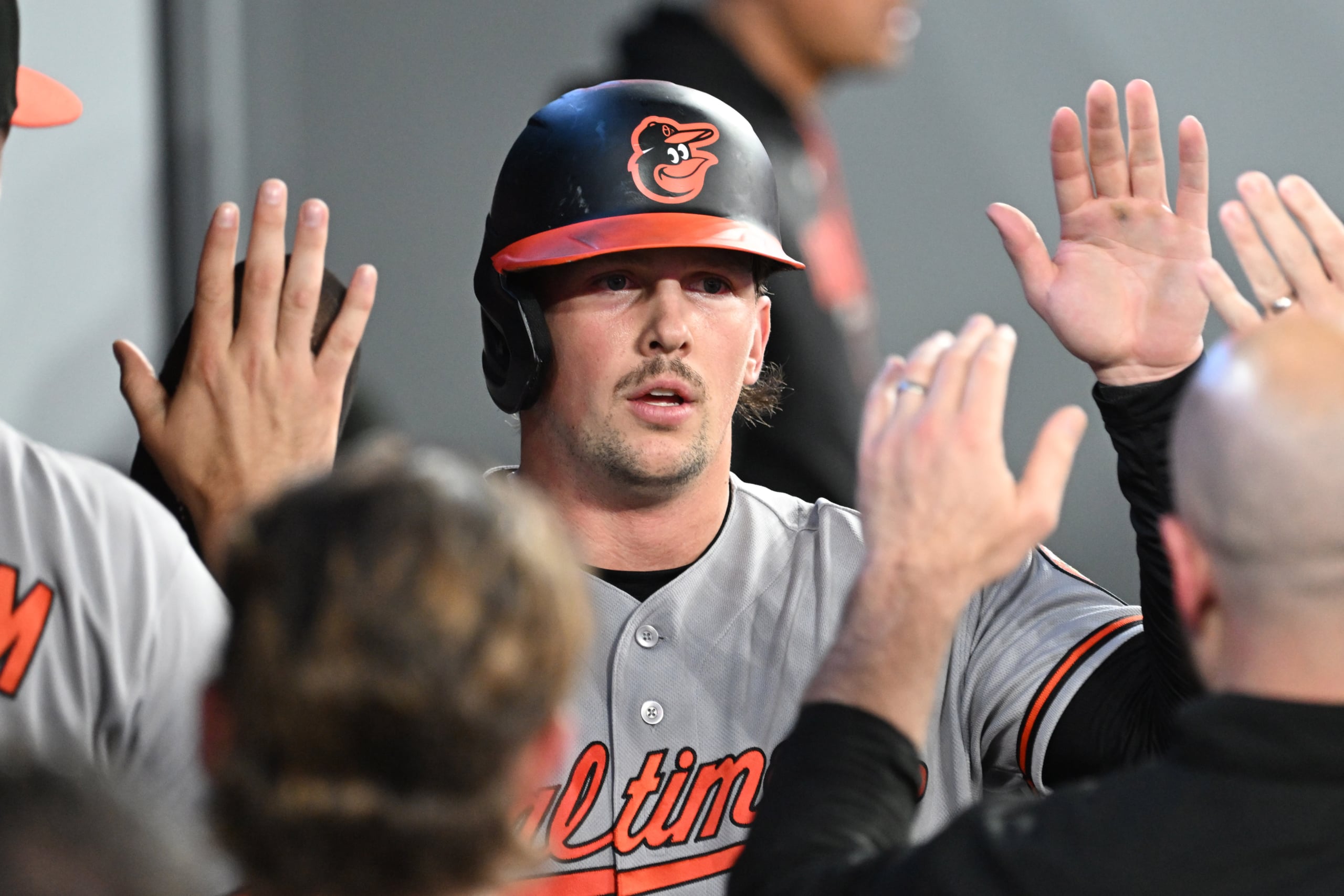
Image: courtesy of Sportsnaut

sportsJune 9, 2026By Veridact EditorialUpdated Jun 9

Four Trade Ideas That Could Decide the 2026 World Series

As the 2026 Major League Baseball season moves into June, the line between good teams and championship teams is starting to show. With the trade deadline approaching in late July, front offices are quietly making phone calls to find the missing pieces that can carry them through October. We look at four specific trade ideas that could reshape the playoff race, sending star players from rebuilding teams to hungry contenders in search of a ring.

What to Expect

The first major deal involves the Philadelphia Phillies landing Oakland Athletics closer Mason Miller. The Phillies have one of the best rosters in baseball, but their bullpen still lacks that one terrifying arm to lock down the ninth inning in close playoff games. Miller, who regularly throws his fastball over 101 miles per hour, would give Philadelphia a modern-day security guard at the end of games. To get him, the Phillies would likely have to part with top outfield prospect Justin Crawford and pitching prospect Mick Abel. This deal gives Oakland young talent for their future while giving Philadelphia an elite weapon for the next several seasons.

Our second trade idea sends Oakland power hitter Brent Rooker to the Seattle Mariners. The Mariners have some of the best young starting pitching in baseball, but their hitters strike out too much and struggle to score runs. Rooker is a late-blooming slugger who can play outfield or serve as a designated hitter. He would immediately slot into the middle of Seattle's lineup, providing the home-run threat they desperately need to support their pitching staff. In exchange, Seattle would send catcher Harry Ford to Oakland, giving the Athletics a highly-rated prospect who can lead their defense for years to come.

Third, we look at the Baltimore Orioles acquiring veteran starting pitcher Jameson Taillon from the Chicago Cubs. The Orioles have a brilliant, young offense led by Gunnar Henderson and Adley Rutschman, but their starting rotation has been hit hard by injuries. Taillon is a steady, experienced pitcher who knows how to navigate tough games and eat innings. He would give Baltimore the stability they need behind their young aces. The Orioles have one of the deepest minor league systems in baseball, meaning they can easily spare pitching prospect Chayce McDermott and infielder Mac Horvath to make this deal happen.

Finally, the Los Angeles Dodgers could make a splash by trading for Chicago White Sox outfielder Luis Robert Jr. The Dodgers are famous for collecting superstars, and center field remains a spot where they could upgrade their defense and power. Robert is an incredibly athletic player who can hit home runs and play gold-glove caliber defense when healthy. For the White Sox, who are deep in a rebuilding phase, trading Robert would bring back a massive haul of young players, including Dodgers outfield prospect Josue De Paula and pitcher Payton Martin.

Key Context

The 2026 baseball season has reached a point where teams must decide if they are buyers or sellers. Under the current Major League Baseball playoff system, three wildcard teams from each league make the postseason. This means that almost twenty teams still believe they have a realistic chance of playing in October. Because so many teams want to buy, the few teams that are clearly out of the race hold all the power. Rebuilding franchises like the Chicago White Sox, Oakland Athletics, and Colorado Rockies can demand very high prices for their best players.

Why would a team with a winning record give up its best young players for a reliever? The answer is simple: the postseason is a completely different game. In October, a manager cannot rely on average pitchers to get key outs in the eighth and ninth innings. One bad inning can end a season that took six months to build. That is why front offices are willing to trade away players who might be stars in five years for a pitcher who can get three big outs right now. This pressure creates a tense environment where general managers must balance the future of their franchise against the immediate chance to win a trophy.

Related Coverage

Predicting how all 48 teams will do in the World C...→Messi 'doing well', could play World Cup warmups→

Historical Patterns

History shows us that the loudest trades at the deadline are not always the ones that win championships. In 2021, the Atlanta Braves lost their superstar outfielder Ronald Acuña Jr. to a season-ending injury. Instead of giving up and preparing for the next year, their front office made four quiet trades for outfielders: Jorge Soler, Joc Pederson, Eddie Rosario, and Adam Duvall. None of these players were considered superstars at the time, but they all played crucial roles in leading the Braves to a surprise World Series title. Soler even won the World Series Most Valuable Player award.

On the other side, we have seen massive blockbuster trades that failed to deliver. When the San Diego Padres traded a mountain of young talent for superstar Juan Soto in 2022, many expected them to dominate for years. While Soto played well, the team struggled to build a complete roster around their expensive stars and ultimately missed the playoffs the following year. This historical contrast is why smart front offices focus on fit rather than fame. They look for the specific puzzle piece that solves their team's unique problem, whether that is a groundball pitcher for a team with great infield defense, or a high-contact hitter for a lineup that strikes out too much.

The Real Stakes: Prospect Capital vs. Championship Windows

Potential Outcomes

Analysis

Analysis shows two primary ways the 2026 trade market could play out over the summer:

In the first scenario, the high prices demanded by sellers lead to a quiet deadline. Contending teams look at the cost of players like Mason Miller or Luis Robert Jr. and decide that giving up their best young prospects is too risky. Instead of making blockbuster moves, teams focus on smaller, cheaper trades for bench players and middle-relief pitchers. This leaves the major power balance of the league unchanged, forcing teams to rely on their current rosters to win in October.

In the second scenario, a single major trade triggers a domino effect across the league. If a team like the Philadelphia Phillies or Los Angeles Dodgers pays the high price to land a superstar, their rivals will feel immense pressure to respond. This could lead to a wild final week of July where multiple top prospects are traded, and several rebuilding teams completely reset their rosters for the next decade. The teams that push all their chips in will have a much higher chance of winning the 2026 title, but they will face a difficult road in the future if those trades do not result in a championship.

Timeline

2026-06-15
Scouting Meetings Begin
Front offices across Major League Baseball begin formal internal meetings to identify their biggest roster needs and list target players on other teams.
2026-07-12
The All-Star Break
The unofficial start of serious trade negotiations, as executives gather in one place and discuss potential deals in person.
2026-07-25
The Trade Market Heats Up
Historically, this is the week when the first significant trades are finalized as teams try to beat the last-minute rush.
2026-07-30
The MLB Trade Deadline
The official final day for teams to make trades. Deals must be submitted to the league office before the afternoon deadline.

Frequently Asked Questions

The trade deadline is the final day of the season when baseball teams can trade players directly to other teams. After this date, rosters are mostly locked for the rest of the year and the playoffs.

Discussion

0/100
0/1000

Be the first to share your thoughts.

Related Coverage

sports

Why UFC and Donald Trump Are Selling $250 T-Shirts to Fight Fans

Jun 9
sports

Sacramento Kings Prepare to Shop Core Assets in Bid to Break Western Conference Stagnation

Jun 8
sports

The Ballard Bottleneck: Why the Colts Resist the Offseason's Most Obvious Free Agent Fixes

Jun 8
sports

The Chicago Paradox: Why the World Cup’s Forgotten City Holds the Blueprint for USMNT's Survival

Jun 7

Stay ahead of the story

AI analysis delivered before events unfold. No spam.

ⓘ

Disclosure: This article contains AI-assisted analysis based on publicly available information.