
Veridact
TechSportsFinanceGaming🎯 PredictionsAbout
Sign InSign Up
Veridact

AI-powered anticipation analysis. We cover tech, sports, finance, and gaming events before they happen — with historical context, scenario modeling, and evolving coverage.

Stay ahead of the story

Analysis delivered before events unfold.

Coverage

  • Tech
  • Sports
  • Finance
  • Gaming

Company

  • About Us
  • Privacy Policy

© 2026 Veridact. AI-assisted analysis platform.

Analysis is AI-generated and not professional financial, legal, or medical advice.

Gaming
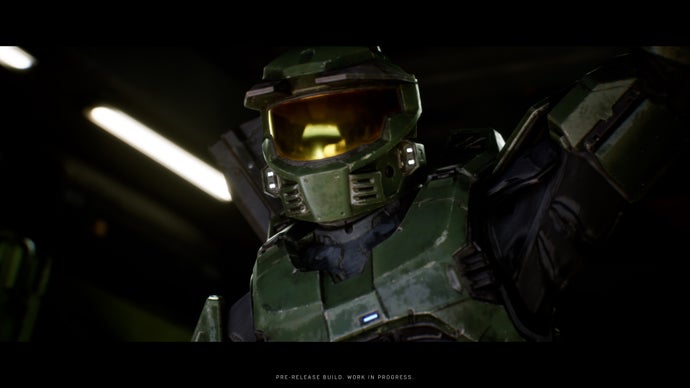
Microsoft reportedly considering restructuring Xbox into its own "wholly-owned subsidiary" and "moving faster" on releasing first-party games

Image: courtesy of EuroGamer

gamingJune 14, 2026By Veridact EditorialUpdated Jun 14

The $76 Billion Pivot: Why Microsoft Wants to Set Xbox Free

Reports suggest Microsoft is considering restructuring its Xbox division into a wholly-owned subsidiary while accelerating its multi-platform software strategy. This potential corporate shift represents a major reorganization of its massive gaming portfolio following the acquisitions of Activision Blizzard and Bethesda.

What to Expect

The structural reality of Microsoft's gaming division has grown too complex for its current corporate shell. Reports emerged on June 13, 2026, indicating that Microsoft leadership is actively considering spinning Xbox out into a wholly-owned subsidiary. This structural change would fundamentally alter how the gaming business operates within the broader Redmond empire.

Under the proposed subsidiary model, Xbox would remain under the Microsoft umbrella but operate with its own independent board, distinct financial reporting, and potentially its own unique equity incentive structures for employees. This is not a divestment; it is a tactical decoupling. By isolating the gaming division, Microsoft can shield its core enterprise and cloud businesses from the volatile, hit-driven nature of the video game market while giving Xbox CEO Phil Spencer and his leadership team more operational agility.

Alongside this structural shift, Microsoft is reportedly planning to "move faster" on releasing its first-party games on rival platforms like Sony's PlayStation 5 and the Nintendo Switch family. The internal initiative, historically referred to under the codename "Project Latitude," appears to be transitioning from a cautious experiment into a core corporate mandate. Audiences should expect the window of Xbox console exclusivity to shrink dramatically, with major releases arriving on competing hardware much sooner than previously anticipated.

What does this look like in practice? It implies that future titles from Bethesda, Activision Blizzard, and Xbox Game Studios will be developed with multi-platform deployment as the default assumption, rather than an afterthought. The traditional console war model, which relied on locking software behind proprietary hardware walls to drive device sales, is being systematically dismantled by the very company that helped popularize it.

Key Context

To understand why Microsoft is contemplating such a drastic corporate reorganization, one must look at the sheer scale of its recent capital allocation. Between the $7.5 billion acquisition of ZeniMax Media (parent company of Bethesda) in 2021 and the colossal $68.7 billion purchase of Activision Blizzard completed in late 2023, Microsoft has spent more than $76 billion to acquire some of the most valuable intellectual property in entertainment.

That level of spending changes the conversation in the boardroom. Microsoft Chief Financial Officer Amy Hood and Chief Executive Officer Satya Nadella are under immense pressure from Wall Street to show a clear return on these massive investments. The traditional Xbox business model, which relied on selling subsidized hardware to lock users into the Xbox Game Pass subscription ecosystem, has hit a wall.

Console sales have lagged. Estimates suggest Sony's PlayStation 5 has consistently outsold the Xbox Series X and Series S by a margin of nearly three to one in key global markets. At the same time, growth in console-based Game Pass subscriptions has plateaued. The addressable market of players willing to buy a $500 dedicated gaming box has reached saturation.

So, how does a company recoup a $76 billion investment when its primary distribution channel is shrinking? The answer is simple: sell software where the players already are. By porting games to PlayStation and Nintendo consoles, Microsoft can instantly tap into an active user base of well over 150 million highly engaged consumers who have already purchased rival hardware.

Related Coverage

Infinity Ward sneakily offers first look at Modern Warfare 4 multiplayer gameplay, and apparently it's all about movement now→God of War Laufey is bringing back the original trilogy's faster combat→

Historical Patterns

Microsoft has a distinct historical playbook when it comes to managing massive, culturally sensitive acquisitions. When the company acquired Mojang and the Minecraft franchise for $2.5 billion in 2014, many feared the game would be pulled from PlayStation platforms to bolster Windows and Xbox. Instead, Microsoft chose a hands-off approach, allowing Mojang to operate with high autonomy and continue supporting all platforms. Minecraft went on to become the best-selling video game of all time, proving that platform agnosticism can be incredibly lucrative.

We saw a similar strategy with the acquisitions of LinkedIn in 2016 and GitHub in 2018. Both companies were kept as distinct, wholly-owned subsidiaries with their own CEOs and corporate cultures. This structure prevented the core Microsoft corporate machine from smothering the unique dynamics that made those platforms successful in the first place.

Conversely, when Microsoft has attempted to fully absorb acquisitions into its core corporate structure—most notably its disastrous $7.2 billion purchase of Nokia's mobile hardware division in 2014—the results have been catastrophic. The rigid corporate bureaucracy of Redmond struggled to adapt to the fast-moving consumer hardware market, leading to massive write-downs and thousands of layoffs. The subsidiary model being considered for Xbox suggests that Microsoft has learned from these historical missteps and recognizes that gaming requires a different operational cadence than enterprise cloud software.

The Real Stakes for Redmond and Beyond

This potential restructuring is not just a dry corporate shuffling of desks; it marks the definitive end of the console era as we have known it for thirty years. For decades, the video game industry has been defined by a simple hardware-first paradigm: build a box, secure exclusive games to make that box attractive, and monetize users within your walled garden. If Microsoft, one of the three major console platform holders, abandons this model to become a platform-agnostic software publisher, the entire industry dynamic shifts.

For Xbox consumers, the stakes are deeply personal. Those who purchased an Xbox Series X under the assumption that they were buying into an exclusive ecosystem of high-end blockbuster games may feel a sense of buyer's remorse. If every major Xbox game eventually makes its way to PlayStation, the primary consumer incentive to buy Xbox hardware evaporates. This could accelerate the decline of Xbox console sales, potentially turning the brand into a legacy hardware provider or a niche designer of streaming devices.

For developers and industry workers, the stakes are structural. A wholly-owned subsidiary has different financial levers than an internal division. It suggests that Xbox could implement its own compensation structures, offering stock options or performance bonuses tied directly to the success of the gaming unit rather than Microsoft's broader enterprise-driven stock. This could help Xbox attract and retain creative talent who might otherwise be alienated by the corporate culture of a trillion-dollar software giant.

Ultimately, this reorganization is about survival in a post-growth market. As development budgets for blockbuster games balloon past $200 million per title, relying on a single, underperforming console install base is no longer financially viable. Microsoft is choosing to prioritize its software margins over its hardware pride.

Potential Outcomes

Analysis

Analysis of this corporate trajectory suggests several potential paths forward, depending on how aggressively Microsoft executes this transition.

One possible outcome is the 'Software Giant' scenario. In this model, Microsoft successfully transitions Xbox into a wholly-owned subsidiary that functions as the world's largest third-party game publisher. Xbox hardware is gradually phased out over the next hardware generation, replaced entirely by a cloud-based streaming application available on smart TVs, mobile devices, and rival consoles. Game Pass becomes a multi-platform service, and Microsoft's gaming revenue skyrockets due to high-margin software sales on PlayStation and Nintendo platforms.

Another potential scenario is the 'Bifurcated Ecosystem' approach. Here, Microsoft maintains a premium line of Xbox hardware designed specifically for enthusiasts and developers, serving as a reference device similar to Google's Pixel line of phones. The wholly-owned subsidiary structure allows Xbox to keep its high-end console business alive for branding and cloud-infrastructure purposes, while simultaneously publishing its older or multiplayer-focused titles on rival systems to subsidize the hardware development costs. This would preserve the Xbox hardware brand while still satisfying Wall Street's demands for immediate software returns.

A third, more speculative outcome involves a partial public listing. By establishing Xbox as a distinct subsidiary, Microsoft could lay the groundwork to eventually spin off a minority stake in the gaming business through an initial public offering (IPO), similar to how other massive conglomerates unlock value from specialized divisions. This would allow Microsoft to retain majority control while letting the public market directly price the value of the Activision-Xbox-Bethesda gaming empire.

Timeline

2021-03-09
Bethesda Acquisition Closes
Microsoft completes its $7.5 billion acquisition of ZeniMax Media, bringing franchises like Fallout and The Elder Scrolls under the Xbox umbrella.
2023-10-13
Activision Blizzard Deal Completed
After nearly two years of regulatory scrutiny, Microsoft officially closes its landmark $68.7 billion acquisition of Activision Blizzard.
2024-02-15
The Multi-Platform Pilot
Xbox leadership announces that four previously exclusive titles, including Sea of Thieves and Hi-Fi Rush, will be released on PlayStation and Nintendo Switch.
2026-06-13
Subsidiary Reports Emerge
Reports surface indicating that Microsoft is considering restructuring Xbox into a wholly-owned subsidiary and accelerating its multi-platform release schedule.

Frequently Asked Questions

A division is an internal department of a company that shares the parent company's legal identity and financial accounts. A wholly-owned subsidiary is a distinct legal entity with its own management structure, board of directors, and independent financial reporting, although the parent company still owns 100% of its shares.

Discussion

0/100
0/1000

Be the first to share your thoughts.

Related Coverage

gaming

Mark Hamill Joins 'Twisted Metal' Season 3, Deepening Its Game Roots

Jun 17
gaming

Lego's KPop Demon Hunters Set: A Bold Play for New Fanbases

Jun 17
gaming

Beyond Haptics: Sony Patents Controller Buttons That Change Feel Mid-Game

Jun 17
gaming

Reports Suggest Microsoft Considering Closure of Xbox Studios Including Double Fine, Ninja Theory

Jun 17

Stay ahead of the story

AI analysis delivered before events unfold. No spam.

ⓘ

Disclosure: This article contains AI-assisted analysis based on publicly available information.