
Veridact
TechSportsFinanceGaming🎯 PredictionsAbout
Sign InSign Up
Veridact

AI-powered anticipation analysis. We cover tech, sports, finance, and gaming events before they happen — with historical context, scenario modeling, and evolving coverage.

Stay ahead of the story

Analysis delivered before events unfold.

Coverage

  • Tech
  • Sports
  • Finance
  • Gaming

Company

  • About Us
  • Privacy Policy

© 2026 Veridact. AI-assisted analysis platform.

Analysis is AI-generated and not professional financial, legal, or medical advice.

gaming
Call of Duty: Black Ops 1&2 PlayStation re-releases are not remasters, Activision confirms: here's why you should temper your expectations

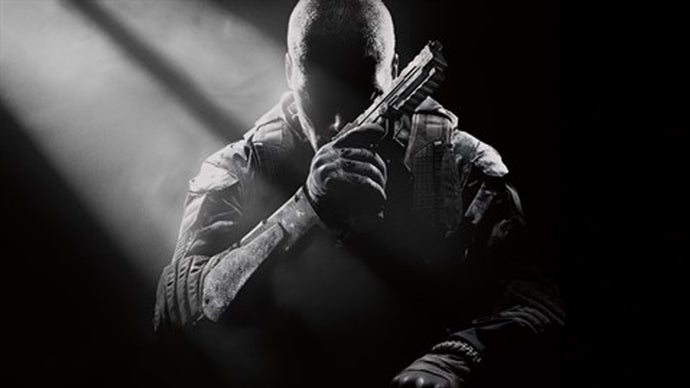
Image: courtesy of EuroGamer

gamingJune 20, 2026By Veridact EditorialUpdated Jun 20

Call of Duty: Black Ops Ports Confirmed for PlayStation, But Don't Expect a Remaster

Activision has confirmed that Call of Duty: Black Ops 1 and Black Ops 2 will be re-released for PlayStation 4 and PlayStation 5 in July 2026. Crucially, these are described as direct ports, not remasters, meaning players should expect the original games with no significant graphical or gameplay upgrades. Iron Galaxy is handling the porting work, and all original game modes are expected to be included, though details on pricing, bundles, and downloadable content remain unconfirmed.

What to Expect

Players anticipating a modern overhaul of the classic Call of Duty: Black Ops titles should adjust their expectations. Activision has explicitly stated these re-releases are ports, which means the games will largely mirror their original PlayStation 3 and Xbox 360 versions. This implies the graphics, sound, and core gameplay mechanics will remain untouched, rather than receiving the high-definition textures, improved models, or updated user interfaces typically associated with a full remaster. The announcement confirms that all original game modes will be present, suggesting that both the single-player campaigns, multiplayer components, and the popular Zombies modes will be available.

For those unfamiliar, a 'port' typically refers to adapting an existing game to run on a new platform with minimal changes. A 'remaster,' by contrast, involves enhancing the original game with updated visuals, improved audio, and sometimes minor gameplay tweaks to bring it closer to modern standards. The distinction is significant for player experience, especially for titles over a decade old. The technical work for these ports is being handled by Iron Galaxy, a studio known for its work on other major game ports, including 'Tony Hawk's Pro Skater 1 + 2' and 'Batman: Arkham Knight' on PC.

Key Context

The re-release of these beloved Call of Duty titles follows a period of significant fan demand and prior leaks, which included listings on Korea's rating board. This unofficial circulation of information may explain the somewhat understated nature of the official confirmation from Treyarch, the original developer, via social media. The specific build dates for the ports — June 3 for Black Ops 1 and May 30 for Black Ops 2 — suggest a rapid development cycle, indicative of a porting effort rather than a more extensive remastering process. File sizes, reportedly similar to the originals, further support the 'port' designation.

References to 'joinSession' functionality within the game files indicate that the online multiplayer and co-op modes will be fully functional, a critical feature for the Black Ops series. However, the exact nature of the online infrastructure, particularly whether dedicated new servers will be implemented for PlayStation 4 and 5, remains a point of community concern. The original PlayStation 3 and Xbox 360 servers for these games were known to suffer from stability issues and a prevalence of hackers in their later years. The absence of specific details regarding pricing, whether the games will be sold individually or as a bundle, and the inclusion of original downloadable content (DLC) packs, leaves key commercial questions unanswered ahead of the anticipated July launch. These details are crucial for players deciding on a purchase.

Historical Patterns

Activision has a long history of re-releasing classic Call of Duty titles, often through backward compatibility programs or as full remasters. The 'Call of Duty: Modern Warfare Remastered' release in 2016, initially bundled with 'Infinite Warfare,' set a high bar for what players expected from a refreshed classic. It featured significant graphical overhauls, improved audio, and modernized controls. However, not all re-releases have followed this path. The company has also opted for more straightforward ports or digital re-releases of older titles without extensive updates. This 'port, not remaster' approach for Black Ops 1 and 2 suggests a strategy focused on leveraging existing assets for quick market re-entry, possibly to capitalize on nostalgia without the higher development costs and longer timelines associated with full remasters.

Similar patterns can be observed across the wider gaming industry. Many publishers bring older titles to new consoles via ports, especially when the original codebase is stable and the demand for a simple re-release is high. This allows them to generate revenue from existing intellectual property with lower execution risk. For example, numerous PlayStation 2 era games were ported to PlayStation 4 without extensive graphical updates. The choice often comes down to a cost-benefit analysis: the investment required for a full remaster versus the expected sales of a less expensive port. Given the immense popularity of the Black Ops series, even a direct port is likely to attract a substantial player base.

The decision to re-release Call of Duty: Black Ops 1 and 2 as ports, rather than remasters, carries several implications. For players, it means managing expectations. Those hoping for a visually stunning, rebuilt experience will likely be disappointed, while those primarily interested in revisiting the original campaigns and multiplayer with minimal fuss may find value. This approach also reflects Activision's current capital allocation strategy post-Microsoft acquisition, suggesting a focus on efficient monetization of legacy titles rather than large-scale, costly remakes, at least for these specific entries. This indicates a pragmatic commercial decision, balancing fan demand with development resources.

From a technical standpoint, the quality of the port will be paramount. A well-executed port by Iron Galaxy could offer a stable experience, potentially with improved frame rates and resolution compared to the originals on modern hardware, even without new assets. A poorly executed port, however, could lead to performance issues or bugs, tarnishing the nostalgia. Crucially, the online server situation is a major concern. If Activision provides new, dedicated server infrastructure for these ports, it could significantly enhance the multiplayer experience and address the long-standing issues of hackers that plagued the original games. If the ports simply rely on the old, potentially compromised, peer-to-peer systems or under-maintained servers, it could undermine much of the appeal.

This re-release also serves as a barometer for player sentiment regarding classic Call of Duty titles. Strong sales, even for a port, could influence future decisions regarding other beloved entries in the franchise, potentially paving the way for more remasters down the line if the demand and profitability prove compelling enough. Conversely, if players are underwhelmed by the 'port, not remaster' approach, it could signal to Activision that a higher bar for quality and visual fidelity is expected for future re-releases.

Potential Outcomes

Analysis

One possible outcome is that the ports are technically sound, offering a stable experience on modern PlayStation consoles, which could satisfy a significant portion of the player base primarily interested in revisiting the original content. If Activision also invests in new, secure server infrastructure, the online multiplayer and Zombies modes could see a resurgence, free from the hacking issues that plagued the older versions. This scenario would provide a low-cost, high-return win for Activision, leveraging nostalgia effectively.

Alternatively, if the ports suffer from technical issues, or if the online experience remains compromised by inadequate server support or persistent hacking, player reception could be highly negative. This could lead to a quick decline in player engagement and significant community backlash, potentially damaging the goodwill associated with these classic titles. Such an outcome might make Activision more hesitant to pursue similar porting projects in the future, or it could force them to reconsider their strategy and invest in full remasters for other popular games.

A third scenario involves a mixed reception, where the games perform adequately but the lack of visual updates leaves many players feeling that a true opportunity was missed. In this case, sales might be respectable based on initial nostalgia, but long-term player retention could be low as the dated visuals and mechanics struggle to compete with more modern offerings. This could still be seen as a financial success for Activision given the lower development cost, but it would not necessarily translate into sustained community excitement or a mandate for further similar projects.

Timeline

2026-05-30
Black Ops 2 Build Date
A specific build of Call of Duty: Black Ops 2 for the PlayStation re-release was completed.
2026-06-03
Black Ops 1 Build Date
A specific build of Call of Duty: Black Ops 1 for the PlayStation re-release was completed.
2026-06-19
Official Confirmation of Ports
Activision, through developer Treyarch, officially confirmed the re-release of Call of Duty: Black Ops 1 and 2 for PlayStation consoles, clarifying they would be ports, not remasters. Iron Galaxy was named as the porting developer.
2026-07-01
Anticipated Release Window Begins
The re-releases of Call of Duty: Black Ops 1 and 2 are expected to launch for PlayStation 4 and PlayStation 5 sometime in July 2026. Specific release dates within the month are not yet confirmed.

Frequently Asked Questions

No, Activision has explicitly confirmed that these are direct ports, not remasters. This means the games will retain their original graphics and features, without significant visual or gameplay upgrades.

Discussion

0/100
0/1000

Be the first to share your thoughts.

Related Coverage

gaming

AMC's 'The Vampire Lestat' Navigates Fan Disappointment With Source Material Changes

Jun 22
gaming

House of the Dragon Season 3 Alters Key Battle of the Gullet Narrative, Raising Stakes for the Dance of the Dragons

Jun 22
gaming

Naruto Card Game Returns After A Decade: Can It Conquer The Booming Anime TCG Market?

Jun 22
gaming

Critical Acclaim Not Enough: Luna Abyss Development Team Laid Off Weeks After Launch

Jun 21

Stay ahead of the story

AI analysis delivered before events unfold. No spam.

ⓘ

Disclosure: This article contains AI-assisted analysis based on publicly available information.