
The gaming industry will closely watch the launch of Final Fantasy VII Revelation in Spring 2027, not just for its narrative conclusion but for its commercial performance across all major platforms. This broad release strategy, a departure from the PlayStation-centric launches of Remake and Rebirth, is expected to set a new precedent for Square Enix's tentpole titles. We can anticipate continued strong sales for Remake and Rebirth in the lead-up to Revelation, as new players enter the series and existing fans replay the earlier entries. The success or failure of this multi-platform approach could influence how other major developers and publishers handle their flagship releases in an increasingly competitive and platform-agnostic market.
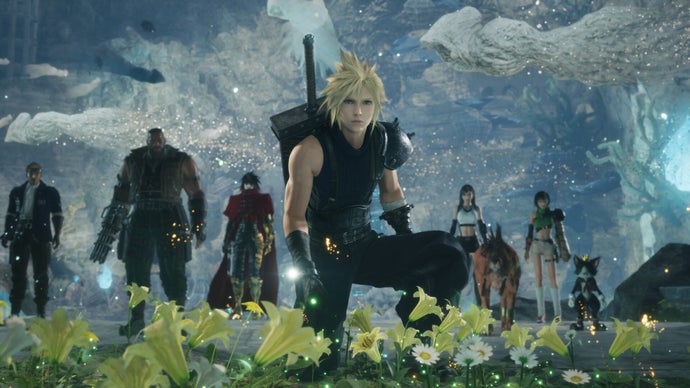
Image: courtesy of EuroGamer
Final Fantasy VII Revelation's Multi-Platform Strategy Rewrites the Remake Trilogy's Sales Story
The upcoming release of *Final Fantasy VII Revelation*, the final installment in the remake trilogy, has triggered a significant and unexpected sales surge for its predecessors, *Final Fantasy VII Remake* and *Final Fantasy VII Rebirth*. This late-stage commercial boost, coupled with *Revelation*'s confirmed day-one multi-platform launch across PlayStation 5, Nintendo Switch 2, Xbox Series X/S, and PC, signals a calculated strategic shift by Square Enix. It suggests a re-evaluation of timed console exclusives and a renewed focus on broader market penetration to maximize the franchise's financial potential.
Outlook
Background
The Final Fantasy VII Remake project began with the release of Final Fantasy VII Remake in 2020, followed by Final Fantasy VII Rebirth in February 2024 for PlayStation 5, and then for Windows in January 2025. While Remake performed strongly, Rebirth faced what some analysts described as 'initial worrying sales' despite critical acclaim. The recent reveal of Final Fantasy VII Revelation at Summer Game Fest 2026, however, has fundamentally reshaped the commercial trajectory of the entire series.
Publisher Square Enix confirmed that sales for both Remake and Rebirth have since been 'several times better' than initially expected, a direct consequence of the hype surrounding Revelation. Crucially, the announcement for Revelation included a commitment to a Spring 2027 release across PlayStation 5, Nintendo Switch 2, Xbox Series X/S, and PC simultaneously. This 'Day 1 on everything' strategy for the final chapter stands in stark contrast to the staggered, platform-exclusive releases of its predecessors, which were initially PlayStation exclusives before eventually making their way to PC and, in the case of Rebirth, now to Switch 2 and Xbox Series X/S.
The Final Fantasy VII remake trilogy is set to conclude on the 30th anniversary of the original 1997 game, a significant milestone that adds to the cultural weight of Revelation's launch. The decision to release the final part on all platforms simultaneously indicates a calculated move to capitalize on the built-up anticipation and ensure the broadest possible audience can experience the conclusion without platform barriers.
Precedents
Historically, the Final Fantasy series has often been a flagship franchise for PlayStation consoles, with many mainline entries launching as timed or full exclusives. This strategy was evident with Final Fantasy VII Remake and Final Fantasy VII Rebirth, both of which debuted exclusively on PlayStation platforms before eventually migrating to PC. The rationale for such exclusivity often involves financial incentives from platform holders, marketing partnerships, and a desire to consolidate player bases.
However, this approach also carries risks, particularly in limiting initial sales potential by excluding large segments of the gaming audience. The 'initial worrying sales' for Rebirth after its PS5 launch, despite strong reviews, highlighted this challenge. Major Japanese publishers, including Square Enix, have increasingly explored multi-platform strategies in recent years. This shift reflects a broader industry trend where the rising costs of game development, coupled with fierce competition for player attention, push companies to pursue every available revenue stream.
Titles like Persona 3 Reload and Hi-Fi Rush from other Japanese publishers, which launched day-one on multiple platforms or even on subscription services, have demonstrated the commercial viability of reaching a wider audience from the outset. The move for Revelation to launch simultaneously on all major platforms, including Nintendo Switch 2 and Xbox, suggests Square Enix may be learning from its own experiences and those of its peers, prioritizing maximum reach over platform-specific deals for the conclusion of a story that has captivated players for decades.
The commercial resurgence of Final Fantasy VII Remake and Rebirth and the multi-platform launch of Revelation carry significant implications for Square Enix's future strategy and the broader gaming industry. For Square Enix, it suggests a potential recalibration of its approach to major releases. The initial strategy of timed exclusivity for Remake and Rebirth may have secured platform holder support, but it also fragmented the audience and potentially left significant revenue on the table during the initial launch windows. The current sales surge, driven by the promise of a universally accessible Revelation, indicates a strong pent-up demand across all platforms.
This shift could mean that future Square Enix blockbusters, particularly those with a continuous narrative like the Final Fantasy VII trilogy, may adopt a day-one multi-platform strategy. This would allow the company to tap into broader markets immediately, potentially leading to higher initial sales figures and a more unified player community.
For the industry, Revelation's success could serve as a case study. If the combined sales of Remake and Rebirth continue their upward trajectory, culminating in a robust multi-platform launch for Revelation, it could challenge the conventional wisdom around console exclusivity, especially for narrative-driven franchises. It reinforces the idea that an engaging story, coupled with widespread availability, can ultimately drive greater long-term commercial success than platform-specific deals that limit initial reach. This approach also benefits consumers by removing barriers to entry and allowing more players to experience highly anticipated titles, potentially fostering greater goodwill and expanding the overall market for premium games.
Scenarios
AnalysisOne potential outcome is that the robust sales performance of the Final Fantasy VII Remake trilogy, culminating in Revelation's multi-platform launch, could solidify Square Enix's commitment to releasing its major titles on all available platforms simultaneously from day one. This approach could lead to higher overall sales figures for future Final Fantasy games and other flagship franchises, as the company maximizes its audience reach and minimizes the impact of platform-exclusive deals. This could also streamline development and marketing efforts by focusing on a single, unified launch strategy across the ecosystem.
Alternatively, while Revelation's multi-platform strategy may prove commercially successful, it does not guarantee a complete abandonment of platform exclusivity for Square Enix. The company may continue to leverage timed exclusivity deals for certain titles, particularly new intellectual properties or smaller projects, to secure funding or marketing support from platform holders. This would represent a more nuanced, case-by-case approach where the strategic value of exclusivity is weighed against the potential for broader market penetration. The long-term impact on Square Enix's financial performance and market standing will depend on Revelation's actual sales figures across all platforms, which will be a critical data point for future decision-making.
Timeline
2020
Final Fantasy VII Remake Released
The first installment of the remake trilogy launched, initially as a PlayStation exclusive.
November 2019
Final Fantasy VII Rebirth Production Begins
Development on the second chapter commenced, even before the first part's release.
June 2022
Final Fantasy VII Rebirth Announced
Square Enix officially revealed the second game in the trilogy, confirming the project would span three installments.
February 29, 2024
Final Fantasy VII Rebirth PS5 Release
The second part of the remake trilogy launched exclusively for the PlayStation 5.
January 23, 2025
Final Fantasy VII Rebirth PC Release
The game became available for PC players, expanding its audience beyond PlayStation.
Summer Game Fest 2026
Final Fantasy VII Revelation Revealed
Square Enix officially announced the third and final installment of the remake trilogy, confirming its Spring 2027 release and day-one multi-platform availability. This reveal sparked a significant sales surge for *Remake* and *Rebirth*.
Spring 2027
Final Fantasy VII Revelation Release
The concluding chapter of the *Final Fantasy VII* remake trilogy is set to launch simultaneously on PlayStation 5, Nintendo Switch 2, Xbox Series X/S, and PC, coinciding with the 30th anniversary of the original game.
Frequently Asked Questions
*Final Fantasy VII Revelation* is the third and final installment in Square Enix's remake trilogy of the original 1997 *Final Fantasy VII*. It is expected to conclude the reimagined narrative that began with *Remake* and continued with *Rebirth*.
Discussion
Be the first to share your thoughts.