
As the dust settles on the Blackmaw Hold cleanup, the immediate focus shifts to how the affected servers recover heading into the December raid tier. Players who faced temporary suspensions will return just as high-end PvE content opens its doors, creating a compressed timeline for geared progression. Meanwhile, the broader community remains watchful of how Blizzard handles subsequent economic anomalies as new patches drop.
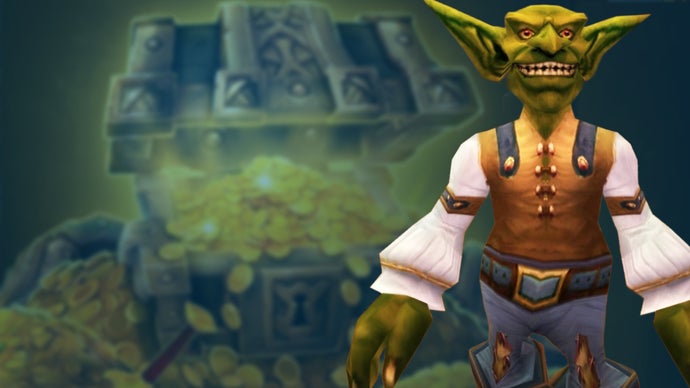
Image: courtesy of EuroGamer
Why Blizzard's Banhammer on World of Warcraft: Forever Gold Exploiters Protects the Virtual Economy
Blizzard has taken swift action against World of Warcraft: Forever players who exploited a Blackmaw Hold gold farming loop, issuing temporary suspensions, wiping ill-gotten currency, and placing trading restrictions on accounts. The intervention highlights the fragile balance of virtual economies and how game developers must aggressively police exploits to maintain long-term player trust.
Outlook
Background
The exploit centered on a specific group of non-elite enemies inside the Blackmaw Hold dungeon, which allowed coordinated players to generate between 100 and 160 gold per hour. While this figure might sound modest to modern MMORPG veterans, the concentration of these gains among a few hundred dedicated exploiters threatened to destabilize regional mega-server economies. Blizzard implemented temporary economy locks ahead of definitive account suspensions, distinguishing between casual dungeon runners who profited organically and individuals who intentionally farmed the loop to amass thousands of exploit-driven gold pieces.
See also
Precedents
Virtual economies have faced inflationary shocks since the earliest days of online gaming, from early Ultima Online duplication bugs to modern auction house exploits in various MMORPGs. Developers typically react with one of two strategies: catastrophic global currency rollbacks that punish the entire player base, or targeted surgical removals. Blizzard's choice to apply trading blocks and surgically scrub illicit funds aligns with its modern playbook of minimizing collateral damage while delivering harsh deterrents to bad actors.
In subscription and service-based games, the value of in-game currency depends entirely on scarcity and trust. When a small group of players can bypass intended design loops to generate thousands of gold pieces unchecked, the entire economic foundation begins to warp, pricing casual players out of essential consumables, materials, and gear upgrades. Protecting the integrity of the marketplace is ultimately about protecting player retention; if a player feels their time spent grinding legitimately is rendered worthless by exploits, they leave.
Scenarios
AnalysisOne possible outcome is that the targeted suspensions and gold wipes successfully stabilize regional server economies, allowing the upcoming December raid launch to proceed without hyperinflation. Alternatively, persistent exploiters may find alternative farming loops in newly unlocked zones, forcing Blizzard to deploy more aggressive automated detection systems. A third outcome involves secondary market adjustments, as players who lost their hoards scramble to restock crafting materials through legitimate means before raid progression begins.
Timeline
November 2026
Blackmaw Hold Exploit Discovered
Players identify a repeatable loop farming non-elite enemies in Blackmaw Hold for up to 160 gold an hour.
Mid-November 2026
Economy Locks Applied
Blizzard places temporary trading blocks on suspected accounts while investigating the full extent of the exploit gains.
November 16-18, 2026
Suspensions and Gold Wipes
Formal suspensions hit significant exploiters, and all ill-gotten gold is permanently removed from the game economy.
December 2026
Raid Tier Launch
Suspended players regain account access just as the first wave of endgame raids opens to the community.
Frequently Asked Questions
No. Blizzard explicitly clarified that players who ran the dungeon a few times and benefited organically from normal drops faced no penalties.
Discussion
Be the first to share your thoughts.