
Readers can expect a detailed examination of the structural tension between physical video game retailers and major game publishers. This analysis breaks down the economics of used game sales, the rise of code-in-a-box merchandise, and what the Grand Theft Auto 6 discless release means for the survival of brick-and-mortar storefronts.
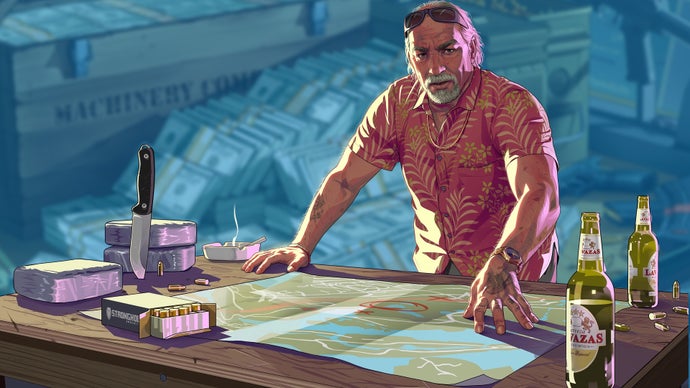
Image: courtesy of EuroGamer
Why GameStop Is Selling Digital Codes in Boxes While Its CEO Slams the Discless Era
GameStop CEO Ryan Cohen has criticized major publishers for abandoning physical media around the launch of Grand Theft Auto 6. While Cohen argues that discless releases strip away consumer ownership and competition, the retail chain continues to push digital download codes housed inside empty cardboard retail boxes.
Outlook
Background
On November 19, 2026, Bloomberg published an interview with GameStop CEO Ryan Cohen regarding the industry-wide shift toward digital-only distributions. Cohen stated that publishers are removing competition by eliminating used game markets, which traditionally provided alternatives to buying new copies at full price. Despite these criticisms, GameStop continues to stock and sell high volumes of digital download codes packed into physical boxes for major titles like Grand Theft Auto 6, attempting to capture foot traffic even as the underlying medium disappears.
Precedents
The tension between digital distribution and physical retail mirrors the music and movie industries' transitions over the past two decades. When CD and DVD sales plummeted, specialty retailers like Tower Records and Blockbuster collapsed because they failed to control digital storefronts. GameStop has survived longer than its entertainment retail peers by leaning heavily into collectibles, trade-in credit ecosystems, and hardware bundles, but the complete removal of optical discs from flagship releases strips away the core inventory driver that brings customers through its doors.
The retail video game business model relies entirely on the principle of first-sale doctrine, which allows consumers to resell, trade, or lend purchased goods. When a blockbuster release like Grand Theft Auto 6 shifts to a digital format, that secondary market vanishes overnight. For consumers, it means paying full digital prices with no option to recoup value or share media. For GameStop, it threatens the primary economic engine that keeps physical storefronts economically viable.
Scenarios
AnalysisGameStop could successfully pivot its retail footprint toward gaming hardware, accessories, and licensed collectibles while accepting a diminished role in software distribution. Major publishers could introduce proprietary digital resale frameworks or secondary marketplaces, bowing to regulatory pressure or retailer pushback. Physical game discs could transition entirely into collector's edition novelties aimed at enthusiasts, rendering mass-market retail stores obsolete for software sales.
Timeline
November 19, 2026
Cohen Criticizes Discless Trend
GameStop CEO Ryan Cohen speaks out against the industry shift toward digital-only releases and code-in-a-box products ahead of Grand Theft Auto 6.
November 20, 2026
Retailers Adapt to Digital Codes
GameStop continues to sell significant quantities of Grand Theft Auto 6 digital download codes packaged within physical retail boxes.
Frequently Asked Questions
A code-in-a-box product is a physical retail item that contains no optical disc or cartridge. Instead, the packaging holds a paper insert or card with a digital redemption code that the user must download from an online storefront.
Discussion
Be the first to share your thoughts.