
Fans of Masashi Kishimoto's ninja saga can anticipate a fresh take on the collectible card game format. Bandai Card Games, known for its successful 'One Piece Card Game' and 'Dragon Ball Super Card Game,' is developing the new 'Naruto Card Game' with a stated emphasis on strategic play. The game will make its initial public appearance at Gen Con 2026, scheduled from July 30 to August 2 in Indianapolis, where attendees will have the opportunity to experience early gameplay demos. This will be the first chance for the broader community to see how the new mechanics and art style translate into a playable experience. Following these previews, the game is set for a worldwide launch sometime in 2027, marking a significant push for global availability from day one. The launch is also expected to feature special illustrations and comments from original creator Masashi Kishimoto, tying the new game deeply into the franchise's legacy.
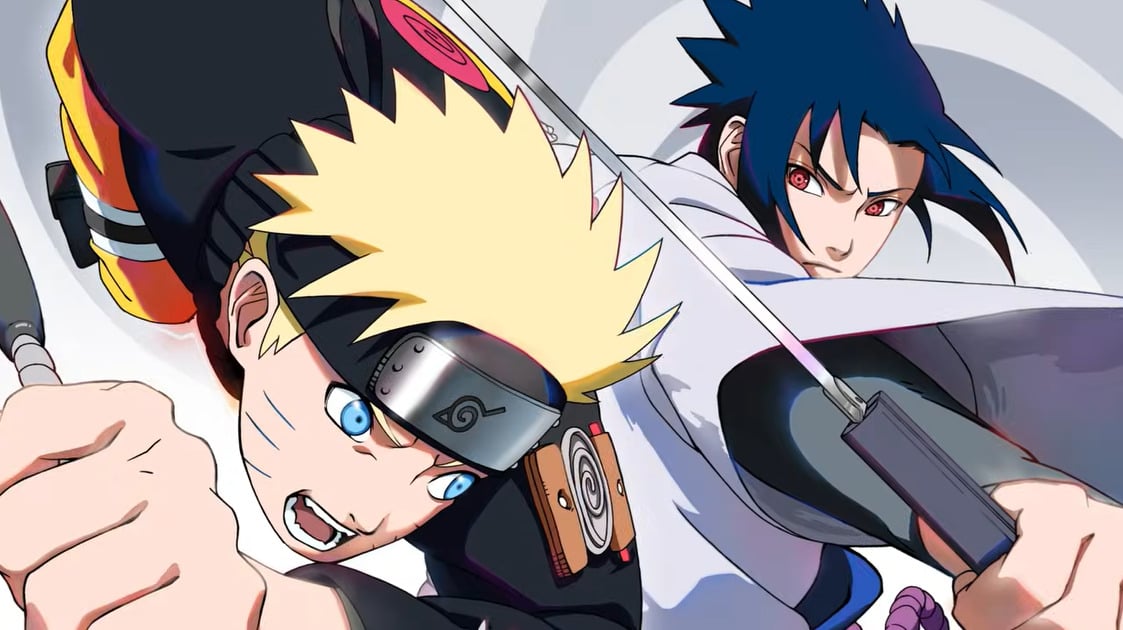
Image: courtesy of Kotaku
Naruto Card Game Returns After A Decade: Can It Conquer The Booming Anime TCG Market?
After more than a decade, the iconic Naruto franchise is set to re-enter the trading card game arena with a new official title from Bandai Card Games. Slated for a simultaneous global release in 2027, the 'Naruto Card Game' will offer a strategy-focused experience, with early previews planned for Gen Con 2026. This revival comes as the anime prepares for its 25th anniversary, positioning the game as a significant new venture in a competitive but flourishing market dominated by similar anime-themed TCGs.
Outlook
Background
The return of a Naruto trading card game is a notable event for several reasons, not least because the franchise's previous TCG, active from 2006 to 2013, concluded its run over a decade ago. This timing aligns with the Naruto anime's 25th anniversary in 2027, presenting Bandai with a prime opportunity to capitalize on renewed fan interest. The market for anime-themed trading card games has seen explosive growth in recent years, largely driven by Bandai's own successes. The 'One Piece Card Game,' for instance, launched in 2022 and quickly became a major player, demonstrating the appetite for well-designed games based on popular manga and anime properties. Similarly, the 'Dragon Ball Super Card Game' has maintained a strong presence for years.
Bandai's decision to launch a new Naruto TCG now suggests a calculated move to leverage its established infrastructure for card game development, distribution, and community building. The company has honed its approach to competitive play, art design, and product rollout through its existing portfolio. This background indicates that the new Naruto game is unlikely to be a casual release; rather, it will likely aim for a dedicated competitive scene alongside its appeal to collectors and casual fans. The initial reveal, which included a key visual and comments from Kishimoto, indicates a concerted effort to position the game as an authentic extension of the Naruto universe.
See also
Precedents
The history of anime trading card games is marked by cycles of immense popularity and eventual decline, but also by the sustained success of a few dominant titles. The original 'Naruto Collectible Card Game' (Naruto CCG) had a respectable run, building a dedicated player base during its seven-year lifespan. Its eventual discontinuation in 2013 was not uncommon for a TCG that didn't reach the evergreen status of a 'Magic: The Gathering' or 'Pokémon TCG.' Many factors contribute to a TCG's longevity, including consistent rules updates, engaging new card sets, strong organized play support, and effective marketing.
Bandai's current strategy, however, draws more from recent successes than from the earlier Naruto CCG's trajectory. The 'One Piece Card Game' has shown that a new TCG, even for a long-standing franchise, can rapidly capture market share if it offers compelling gameplay and leverages a well-managed release schedule. These modern Bandai TCGs often feature a lower barrier to entry for new players, combined with strategic depth for veterans. They also benefit from Bandai's global distribution network and its experience in fostering a competitive community through tournaments and events.
Past TCGs that have struggled often did so due to complex rule sets, inconsistent card releases, or a failure to adapt to player feedback. The 'Naruto Card Game' will need to learn from both the successes and failures of its predecessors and contemporaries. The involvement of Masashi Kishimoto from the outset, providing official art and comments, is a strong signal of institutional backing and an attempt to reassure fans of its authenticity, a factor that has historically helped new TCGs build trust and initial momentum.
The re-entry of Naruto into the TCG market is significant for several stakeholders. For Bandai Card Games, it represents a substantial expansion of its already successful anime TCG portfolio, potentially cementing its position as a dominant force in the genre. A successful Naruto launch would provide another reliable revenue stream and reinforce the company's reputation for translating major IPs into engaging card games. For fans of Naruto, this offers a new way to interact with the beloved franchise, whether through collecting unique artwork, engaging in strategic battles, or participating in a new community. The timing with the anime's 25th anniversary adds a celebratory layer, potentially drawing in both long-time devotees and newer fans.
Beyond the immediate fan base, the launch will be closely watched by the broader trading card game industry. The market is increasingly crowded, with new games constantly vying for attention and shelf space. Naruto's entry could intensify competition, forcing other publishers to innovate further or risk losing market share. It also serves as a litmus test for the continued viability of older, established anime franchises in the TCG space. If Naruto succeeds, it could pave the way for other legacy anime IPs to receive modern TCG adaptations, further diversifying the market. Conversely, if it struggles despite the franchise's immense popularity and Bandai's experience, it could signal a saturation point or highlight the challenges of introducing a new game into an already dense ecosystem.
Scenarios
AnalysisThe 'Naruto Card Game' faces a range of potential outcomes upon its global release in 2027, influenced by its design, market reception, and ongoing support.
One possible outcome is that the game achieves significant commercial and critical success, mirroring the trajectory of Bandai's 'One Piece Card Game.' This would likely be driven by engaging gameplay mechanics, high-quality artwork, and a strong organized play program. Positive reception at Gen Con 2026 could build considerable hype, leading to robust pre-orders and strong sales figures in 2027. If the game consistently delivers fresh content and maintains a balanced meta-game, it could establish itself as a lasting pillar in the TCG landscape, attracting a dedicated player base and becoming a consistent revenue generator for Bandai. This outcome would further solidify Bandai's dominance in the anime TCG space.
Another scenario is that the 'Naruto Card Game' finds a niche but struggles to break into the top tier of competitive TCGs. Despite the strength of the Naruto brand, the market is highly competitive, and players often have limited time and resources for multiple games. Factors such as overly complex rules, a repetitive meta, or a lack of consistent tournament support could limit its appeal beyond casual collectors. In this case, the game might sell well initially due to brand loyalty but see a gradual decline in active player numbers over time, settling into a smaller, but still profitable, segment of the market. This would still be a financial success for Bandai, but less of a cultural phenomenon.
A more challenging outcome, though less likely given Bandai's recent track record, is that the game fails to resonate with either new or existing TCG players. This could occur if the gameplay is perceived as uninspired, if there are significant balance issues, or if the product rollout is plagued by distribution problems. In such a scenario, initial sales might be weak, and community engagement could quickly wane, leading to a much shorter lifespan for the game than anticipated. This would represent a missed opportunity for both Bandai and the Naruto franchise, potentially damaging future attempts to launch similar ventures.
Timeline
Frequently Asked Questions
Discussion
Be the first to share your thoughts.