
Players can expect a very beautiful version of Spira when the game launches next month. The new port runs at a smooth sixty frames per second and features updated textures that make the twenty-five-year-old game look surprisingly modern. Loading screens are almost completely gone thanks to the faster storage inside Nintendo's new console. However, the excitement turned to frustration when the publisher revealed the packaging details. The actual retail box will contain a cartridge with only the first three gigabytes of data. To play the game, buyers must download an additional forty-five gigabytes from the Nintendo eShop. This means the cartridge itself is mostly useless without an internet connection. On top of that, players must connect their console to the internet at least once a month to verify their license. This restriction affects both physical and digital copies of the game. Many fans feel this defeats the whole purpose of buying a physical cartridge.
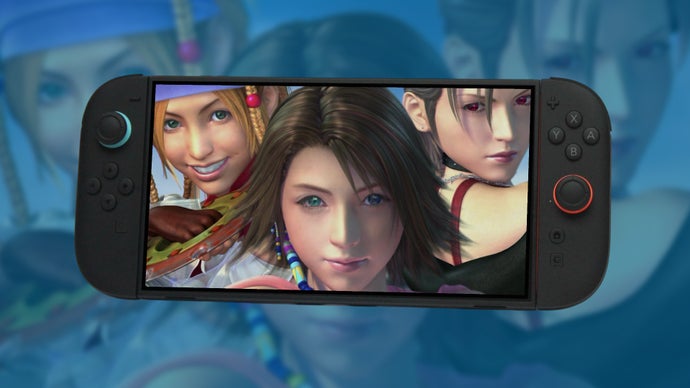
Image: courtesy of EuroGamer
Square Enix Brings Final Fantasy 10 to Nintendo Switch Successor Next Month with a Major Catch for Physical Collectors
Square Enix announced on June 9, 2026, that the beloved role-playing game Final Fantasy 10/10-2 HD Remaster is coming to Nintendo's next-generation console in July 2026. While fans are excited to play the classic adventure with improved graphics and faster loading times, the release comes with a major disappointment. Buyers of the physical cartridge will still have to download most of the game files online, and the game will require an active internet check every thirty days. This decision has sparked immediate anger among game collectors and fans who worry about the preservation of physical games.
Outlook
Background
Final Fantasy 10 first came out in 2001 on the PlayStation 2 and became an instant classic. It tells the emotional story of Tidus, a star athlete, and Yuna, a young woman on a quest to save her world from a giant monster named Sin. The game was praised for its great music, turn-based battle system, and deep story. Over the years, Square Enix has ported the game to almost every major console, including the original Nintendo Switch in 2019. That older Switch version was highly praised because both games fit entirely on a single cartridge in Japan, though western releases required a download for the sequel. With the new Nintendo console offering much more power, fans hoped for a definitive version that would live on a single cartridge forever. Instead, the publisher chose a cheaper cartridge size to save on manufacturing costs. This choice passes the storage burden onto the player's memory card. It also raises questions about how third-party publishers plan to handle physical releases on Nintendo's new platform.
Precedents
Square Enix has a long history of making strange decisions with its physical game releases. In the past, the company has frequently used smaller, cheaper cartridges for Nintendo systems while requiring large digital downloads to make up the difference. For example, the original western release of the Final Fantasy 10/10-2 collection on the Nintendo Switch only had the first game on the cartridge. Players had to download the second game via a one-time use voucher code. This ruined the resale value of the physical copies. Other publishers have followed similar paths to avoid the high costs of larger Nintendo cartridges. When companies do this, they save money but lose the trust of their most loyal fans. Historically, these decisions lead to lower physical sales but high digital sales, as players decide it is not worth owning a physical box that does not actually contain the game. The addition of a monthly online check is a newer strategy that resembles computer software licenses rather than traditional console gaming.
The Real Stakes
This release highlights a growing conflict between game publishers and consumers over who actually owns the games we buy. For decades, buying a physical game meant you owned a complete product that you could play forever, even if the digital stores shut down. Now, physical games are turning into simple plastic keys that unlock a digital download. If Nintendo eventually turns off the servers for this new console years down the road, players who bought the physical version of Final Fantasy 10 will no longer be able to play their game. This is a massive blow to video game preservation efforts. It also sets a worrying precedent for other big games coming to Nintendo's new hardware. If a game from 2001 requires a massive download and a monthly internet check, future games might become even more restrictive. Collectors are starting to realize that the physical library of this new console generation might not stand the test of time.
Scenarios
AnalysisThere are a few ways this situation could play out over the coming months. First, we might see a strong community protest that forces Square Enix to change its plans. If pre-order numbers drop significantly, the publisher might decide to release a complete cartridge version through a specialty distributor like Limited Run Games at a higher price point. Another likely outcome is that the controversy will have very little effect on overall sales. Most casual players buy games digitally now and do not care about physical cartridges or monthly internet checks. In this scenario, other publishers will see that fans tolerate these restrictions, and we will see many more games adopt the exact same download and check-in policies. Lastly, we could see a split market where Japanese players receive a fully complete cartridge due to different consumer expectations in Asia, while Western players are left with the download-heavy version.
Timeline
Frequently Asked Questions
Discussion
Be the first to share your thoughts.