
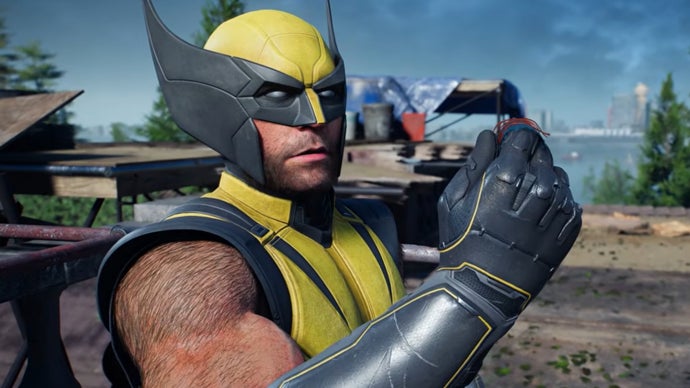
Insomniac’s Wolverine Gameplay Footage Reveals a Brutal, No-Compromise Vision of the X-Men’s Fiercest Mutant
A substantial new look at Insomniac Games' highly anticipated Marvel's Wolverine has surfaced, offering over seven minutes of raw, uninterrupted gameplay that confirms the studio is leaning heavily into a mature rating. The footage showcases an incredibly violent combat system where Logan’s adamantium claws leave a trail of severed limbs, deep lacerations, and environmental destruction. Alongside the visceral action, the footage reveals a major narrative surprise: the prominent inclusion of Jean Grey, a core member of the X-Men. This partnership hints at a dual-character dynamic or a deeply personal storyline that moves far beyond a simple solo hunt. For fans who have waited years for a modern, high-budget take on the character, this footage suggests that Sony is willing to let its premiere development studio push the boundaries of comic book violence in gaming. The leaked material provides a clear look at combat flow, stealth mechanics, and how Logan's famous healing factor operates in real-time during intense skirmishes.
What to Expect
The seven-minute gameplay sequence offers a clear, unvarnished look at how Insomniac plans to translate Wolverine’s feral rage into a modern action game. Combat is fast, heavy, and deliberately messy. Unlike the clean, acrobatic aerial maneuvers of the Spider-Man series, Logan fights with a low center of gravity, throwing his entire body weight into every slash and tackle. Enemies do not simply fall unconscious; they lose limbs, bleed out, and suffer realistic trauma from adamantium claws. The environment plays a major role in these fights, with Logan throwing enemies through wooden bar counters, slamming them into concrete pillars, and using the verticality of the rooms to pounce on unsuspecting targets.
Stealth also seems to play a significant role, utilizing Wolverine's heightened senses to track scent lines, heartbeats, and heat signatures through walls. This sensory mode shifts the screen into a muted color palette, highlighting tactical opportunities and enemy patrol routes. When stealth fails, the transition to open combat is seamless and violent. The footage also sheds light on the healing factor mechanic. When Logan takes damage, visible wounds, torn clothing, and exposed flesh appear on his character model in real-time. If the player manages to avoid damage for a few seconds, the wounds knit back together, showing skin and muscle reforming over his metallic skeleton.
Perhaps the most intriguing part of the footage is the presence of Jean Grey. Far from a simple background character, Jean is shown using her telekinetic abilities to manipulate the battlefield, throwing objects at enemies and creating barriers to assist Logan. The dialogue between the two suggests a weary, long-standing relationship, filled with the classic tension that has defined their comic book history for decades. This raises interesting questions about how the game will handle progression. Will players be able to switch between Logan and Jean, or does she function as an advanced, AI-controlled companion who reacts dynamically to the player's combat style? The fluid integration of her psychic powers alongside Logan’s raw physical brutality suggests a combat system designed around team dynamics and tactical synergy.
Key Context
To understand why this footage is generating such intense discussion, one must look back at the turbulent development history of the project. Insomniac Games announced Marvel's Wolverine in late 2021, but the project was thrown into the public spotlight in December 2023 following a catastrophic ransomware attack. That breach exposed internal roadmaps, early build designs, casting decisions, and raw footage of the game in its infancy. For years, the studio had to quietly rebuild its security and continue development under the shadow of those leaks, making this new, polished look at the game a crucial milestone for public relations and player expectations.
This game also represents a major shift in creative direction for Insomniac. For the last decade, the studio has been Sony’s most reliable machine for family-friendly and teen-rated blockbusters, including Sunset Overdrive, Ratchet & Clank, and the wildly successful Marvel's Spider-Man franchise. Those games rely on bright colors, optimistic heroes, and non-lethal combat. Wolverine is the exact opposite. It forces the studio to design systems around blood, trauma, and a protagonist who is fundamentally a killer.
Furthermore, the game is being developed during a period of transition for Marvel Games. After the commercial failure of live-service titles like Marvel's Avengers and the quiet reception of tactical games like Midnight Suns, Marvel has shifted its strategy back toward high-end, single-player narrative experiences. Sony and Insomniac are leading this charge. The success of this game will determine whether Marvel is comfortable licensing its most popular characters for highly violent, adult-oriented games, or if they will pressure developers to stick to safer, broader PG-13 boundaries in the future.
Related Coverage
Historical Patterns
Historically, violent superhero games are a rarity, but when they do happen, they tend to leave a lasting mark on the industry. The most obvious point of comparison is the 2009 game X-Men Origins: Wolverine, developed by Raven Software. Released alongside a poorly received movie, the game became a cult classic specifically because it embraced an uncensored, mature rating. It allowed players to lunge across battlefields, impale enemies on helicopter blades, and watch Logan's flesh regenerate in real-time. Insomniac appears to be taking direct inspiration from that title's combat philosophy but elevating it with the cinematic storytelling and polish of modern PlayStation exclusives.
We can also look at how Sony has handled its other mature franchises, most notably God of War. The 2018 soft reboot of God of War took a character known for one-dimensional rage and gave him a deeply emotional, character-driven story without sacrificing the extreme violence that fans expected. Insomniac seems to be aiming for a similar target with Wolverine. By pairing Logan with Jean Grey, the writers are clearly attempting to ground the high-intensity violence with a mature, character-driven narrative about trauma, survival, and belonging.
Another pattern is the industry's shift away from traditional companion characters toward active partners. In the past, companion characters in action games were often liabilities, requiring constant protection or offering minimal help in combat. Modern titles like The Last of Us and God of War changed this by making companions useful, narrative-rich partners who can hold their own. The gameplay footage of Jean Grey suggests Insomniac is applying these modern design standards, ensuring that her psychic abilities feel like an essential extension of the combat loop rather than an annoying escort mission.
The stakes for this release extend far beyond the success of a single video game. For Sony, Marvel's Wolverine is a system-seller designed to maintain the PlayStation 5's dominance in the high-end console market. At a time when game development budgets are ballooning past $200 million and taking upwards of five to six years to complete, platform holders cannot afford missteps with their premier intellectual properties. Insomniac has been Sony's most productive studio, and a critical or commercial failure here would send shockwaves through PlayStation's entire first-party strategy.
For Marvel, this game is a crucial test of its broader media strategy. For years, the Marvel Cinematic Universe kept the brand locked into a family-friendly aesthetic. However, the recent success of R-rated projects like Deadpool & Wolverine has proven that audiences have a massive appetite for mature, unfiltered mutant stories. If this game succeeds, it will likely open the floodgates for more mature-rated Marvel games, potentially leading to darker takes on characters like Blade, Daredevil, or Ghost Rider. It proves that there is a massive, lucrative market for superhero stories that do not pull their punches.
Potential Outcomes
Analysis[{"scenario":"A Critical and Commercial Masterpiece","analysis":"In this outcome, Insomniac successfully balances the extreme violence with a deeply moving story, earning rave reviews and massive sales. The integration of Jean Grey as a co-protagonist or active companion provides a refreshing emotional core that prevents the game from feeling like a mindless slasher. The real-time healing mechanics and brutal combat set a new standard for melee action games, solidifying Insomniac's reputation as the premier developer of superhero video games and prompting Sony to greenlight an entire mature-rated X-Men gaming universe."},{"scenario":"A Polarizing Reception Over Violence and Formula Fatigue","analysis":"In this alternative outcome, the game struggles to find its identity, with critics arguing that the extreme gore feels gratuitous and clashes with the emotional narrative. Some players might find that beneath the blood and severed limbs, the core gameplay loop feels too similar to the studio's Spider-Man games, leading to criticisms of formula fatigue. Additionally, if the companion mechanics with Jean Grey are not perfectly polished, her presence could disrupt the lone-wolf power fantasy that fans expect from a Wolverine game, leading to mixed reviews and slower long-term sales."}]
Timeline
Frequently Asked Questions
Discussion
Be the first to share your thoughts.