
Players can expect a substantial shift in aerial combat with the reintroduction of two-seater jets. This allows for dedicated pilot and gunner roles, deepening team play and strategic coordination in the skies, a dynamic many veteran players remember fondly from Battlefield 2. The Top Gun collaboration, while still largely under wraps, suggests new cosmetic items, in-game events, or possibly even themed maps and vehicles inspired by the iconic film franchise. Naval warfare in Season 4 will reintroduce large-scale water-based combat, potentially featuring new vehicle types and map layouts that emphasize maritime operations. The game's existing Battle Royale mode, known for its extensive environmental destruction where entire buildings can collapse, will likely integrate these new elements, offering fresh tactical possibilities across all game modes.
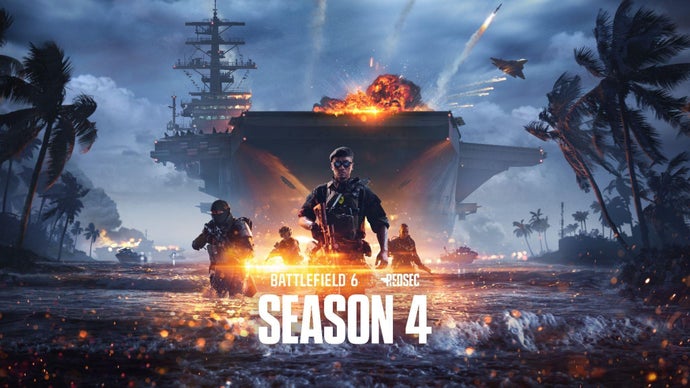
Image: courtesy of EuroGamer
Battlefield 6's Post-Launch Strategy: Two-Seater Jets Return Alongside Top Gun Tease
Battlefield 6, which launched in October 2025, is introducing significant new content as part of its ongoing live-service development. This includes the return of two-seater jets, a feature last seen in *Battlefield 2*, and a tease for a *Top Gun* collaboration. Naval warfare is also confirmed to be making a comeback in Season 4, signaling a renewed focus on varied combat scenarios aimed at re-engaging its player base.
Outlook
Background
Battlefield 6 arrived on October 10, 2025, and has since been in an active development cycle, receiving regular updates and new content. The inclusion of two-seater jets directly references Battlefield 2, a title revered by many long-time fans for its deep vehicle mechanics and large-scale battles. The Top Gun tease comes at a time when cross-promotional events are common in live-service games, aiming to broaden appeal and attract new players. Season 4, which is currently rolling out, will also see the return of naval warfare, a staple of earlier Battlefield titles that adds another dimension to the game's large-scale combat. The game already features a robust Battle Royale mode with impressive environmental destruction, where entire buildings can collapse, creating dynamic battlegrounds. Other post-launch content has included "Battle Pickups" (power weapons), limited-time modes like Sabotage, and specific vehicle additions such as the Traverser Mark 2.
See also
Precedents
The Battlefield franchise has a history of evolving its gameplay through post-launch content, often reintroducing popular features from older titles to satisfy its veteran player base. The return of two-seater jets and naval warfare mirrors a pattern seen across many long-running gaming franchises: leveraging nostalgia to re-engage players who might have drifted away. This strategy aims to blend classic elements with modern game design, hoping to capture the essence of what made the series popular while keeping the experience fresh. IP collaborations, like the teased Top Gun event, have also become standard practice in the live-service model. Titles like Fortnite and Call of Duty regularly partner with major film, TV, and comic franchises to create limited-time events, cosmetic bundles, and even new gameplay modes, effectively using external cultural relevance to drive player engagement and sales. These collaborations often coincide with major media releases or anniversaries, capitalizing on broader public interest.
For Electronic Arts and Battlefield Studios, these updates are a critical part of maintaining Battlefield 6's relevance and profitability in the highly competitive live-service gaming market. Reintroducing beloved features like two-seater jets and naval warfare can appeal to a core fan base that values the franchise's historical strengths in combined arms combat, potentially boosting player retention and bringing back lapsed players. The Top Gun collaboration represents an effort to expand the game's reach beyond its traditional audience, tapping into a broader pop culture phenomenon to attract new users. Successful execution of these content drops could solidify Battlefield 6's position, generate new revenue through seasonal passes and cosmetic sales, and reinforce the franchise's identity against rivals. Conversely, if these updates fail to resonate or are poorly implemented, they could lead to player disillusionment and further challenges for the game's long-term viability.
Scenarios
AnalysisOne possible outcome is that the return of classic features and the Top Gun collaboration could be well-received, leading to a surge in active players and positive community sentiment. This would likely translate into higher in-game purchases and a stronger foundation for future content. Alternatively, players might appreciate the new content, but it may not be enough to significantly alter the game's trajectory or attract a large influx of new users, leaving Battlefield 6 in a similar position, relying on its existing player base for sustained engagement. A third scenario is that if the new features, particularly the two-seater jets or naval warfare, are buggy, unbalanced, or do not live up to player expectations, it could lead to frustration and further erode player trust, making it harder for the game to recover and grow its audience.
Timeline
Frequently Asked Questions
Discussion
Be the first to share your thoughts.