
This development is likely to intensify scrutiny on the financial models and publisher relationships underpinning other live-service games. Expect increased discussion among developers and players about game preservation, the risks of long-term investment in digital-only titles, and the contractual agreements between studios and their parent companies. The event could also prompt some publishers to re-evaluate their portfolios, potentially leading to more cautious investment in new live-service projects or earlier sunsets for underperforming ones.
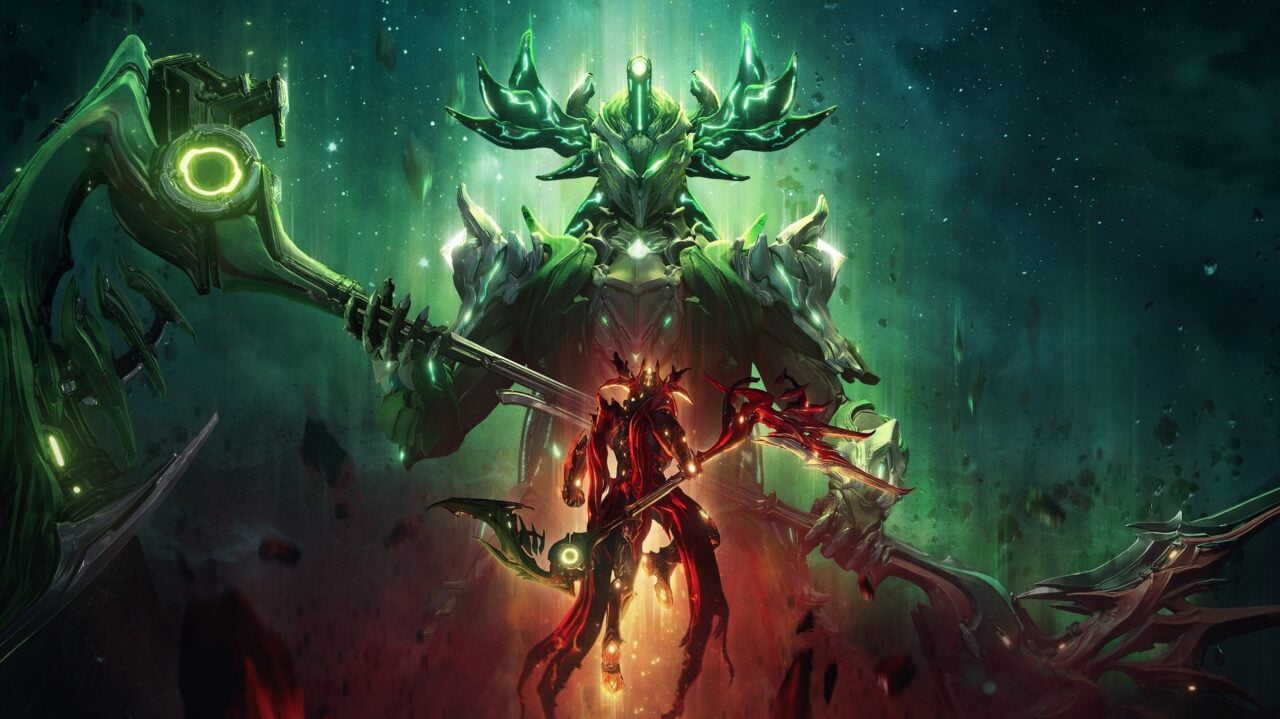
Image: courtesy of Kotaku
The End of Destiny 2: A 'Terrifying' Warning for All Live-Service Games on Who Controls the Goodbye
The confirmed end of active development for Bungie's long-running live-service shooter, Destiny 2, has sent a ripple of concern through the gaming industry. Developers at Digital Extremes, creators of rival title Warframe, expressed profound sadness and a sense of vulnerability, highlighting the precarious nature of even successful live-service games when business decisions dictate their ultimate fate. This event emphasizes the broader conversation around publisher control, developer autonomy, and the long-term sustainability of games built on continuous content delivery.
Outlook
Background
Yesterday, on July 12, 2026, Bungie announced that active development for Destiny 2 would cease. This decision effectively signals the end of new content, story updates, and major expansions for a game that has been a cornerstone of the live-service shooter genre since its launch. The news has been met with a mix of shock and sadness from its dedicated player base, many of whom have invested thousands of hours and significant money into the game.
The reaction from Digital Extremes, the studio behind Warframe, a direct competitor to Destiny 2, was notable. Far from celebrating a rival's downfall, Warframe community director and live ops lead Megan Everett stated unequivocally that 'no one is celebrating' this 'heartbreaking' news. Creative director Rebecca Ford echoed this sentiment, calling it 'horrible news' and expressing the 'terrifying' feeling of 'not being in charge of your own 'Goodbye''.
These comments from Digital Extremes staff are more than just professional courtesy. They speak to a deep understanding of the shared ecosystem in which these games operate. Everett noted that 'Having Destiny was healthy for us,' implying that competition fostered innovation and kept both titles striving for excellence. The Warframe team also highlighted the inherent risk in the live-service model, where even a successful, influential game like Destiny 2 can have its support 'pulled' – a phrase used by IGN, suggesting the decision originated from Sony, Bungie's parent company. This points to the stark reality that business decisions, often made far from the development floor or player community, can ultimately determine a game's lifespan.
Warframe itself launched in 2013, a year before the original Destiny, and continues to thrive with regular major content updates. This contrast only sharpens the developers' concern, as it demonstrates that longevity is not guaranteed, regardless of a game's perceived success or community dedication. The Warframe director further stressed that there is 'No Warframe Without Bungie,' underscoring the deep mutual respect and the intertwined fate of major players in the live-service space.
Precedents
The end of Destiny 2 support, while significant due to its prominence, is not an isolated incident in the history of live-service gaming. The industry has a long track record of games, some highly anticipated, others with devoted niche followings, eventually shutting down. Titles like 'Paragon' by Epic Games, 'Gigantic' by Motiga, and 'Crucible' by Amazon Game Studios were all live-service projects that, for various reasons including financial performance, player retention, or strategic shifts, saw their servers eventually taken offline.
More recently, we've seen the premature end of games like 'Babylon's Fall' from Square Enix and PlatinumGames, which lasted less than a year after launch, and 'Marvel's Avengers' from Square Enix and Crystal Dynamics, which struggled to find an audience despite a major IP. These instances underscore a brutal market reality: the high cost of continuous content development, coupled with the difficulty of maintaining a consistently engaged player base, often makes long-term sustainability challenging. Publishers, driven by quarterly earnings and shareholder expectations, are increasingly quick to cut losses on projects that do not meet aggressive performance targets. The 'content drought' periods mentioned by the Warframe developers, which both games have experienced, are often a precursor to such decisions, signaling a struggle to maintain the necessary development pace or player interest.
The 'sudden death' of Destiny 2 carries significant weight for several reasons. For players, it represents the loss of a digital home, thousands of hours of invested time, and often, real money spent on cosmetic items, expansions, and season passes. It highlights the fundamental fragility of digital ownership in a live-service model, where access and content are ultimately leased, not owned. This can erode player trust, making them more hesitant to commit to future live-service titles.
For developers, the situation is a stark reminder of the often-limited control they have over their creations, particularly when owned by larger publishers. The emotional investment in building and maintaining a game over years is immense, only for that vision to be cut short by corporate directives. This can impact morale across the industry and influence where creative talent chooses to work, potentially favoring studios with more autonomy or intellectual property ownership.
For publishers and the broader industry, Destiny 2's demise forces a re-evaluation of the live-service model's long-term viability. It suggests that even a game with a strong brand, significant player base, and a dedicated development team like Bungie can fall victim to changing business priorities. This could lead to a more conservative approach to live-service game development, with a greater emphasis on sustainable monetization, clearer long-term roadmaps, and perhaps even alternative models that offer more definitive 'endings' rather than indefinite continuation. The core issue of who controls the 'goodbye' — the creators, the community, or the corporate ledger — remains a central, unresolved tension.
Scenarios
AnalysisThere are several potential outcomes that could emerge from the industry's reaction to Destiny 2's end:
1. Increased Focus on Sustainable Development and Monetization: Publishers may push for more efficient development cycles and monetization strategies that don't rely solely on continuous, high-cost content drops. This could involve exploring more modular content releases, battle passes with clearer endpoints, or a stronger emphasis on cosmetic-only purchases rather than story-critical expansions.
2. Shift Towards Developer Autonomy or Independent Publishing: Smaller and mid-sized studios might increasingly seek greater control over their intellectual property and game lifecycles. This could manifest as more developers opting for independent publishing, or negotiating stronger contractual protections against premature shutdowns when partnering with larger entities. The 'terrifying' feeling of not controlling a game's end could drive this.
3. Player Skepticism and Investment Hesitation: Players, having witnessed the end of a major title like Destiny 2, may become more cautious about investing heavily in new live-service games. This could lead to a decline in early adoption or a reduced willingness to spend on in-game items, forcing developers and publishers to earn trust through transparent roadmaps and clearer commitments to longevity.
4. Consolidation and Risk Aversion: Conversely, larger publishers might become even more risk-averse, focusing resources on a smaller number of established, highly successful live-service titles and being quicker to divest or shut down those that don't immediately hit aggressive performance targets. This could lead to a more consolidated market where only the biggest, most financially robust games survive the long haul.
Timeline
2013
Warframe Launches
Digital Extremes releases Warframe, establishing it as a free-to-play live-service sci-fi shooter.
2014
Original Destiny Launches
Bungie releases the original Destiny, quickly becoming a major player in the live-service shooter genre.
2017-09-06
Destiny 2 Launches
Bungie releases Destiny 2, continuing the saga and building a large, dedicated player base.
2026-07-12
Destiny 2 Support Ends Announced
Bungie announces the cessation of active development for Destiny 2, effectively signaling the game's eventual sunset. This news sparks widespread reaction in the gaming community and industry.
2026-07-12
Warframe Devs React
Rebecca Ford, Megan Everett, and other Digital Extremes staff issue statements expressing sadness and concern over Destiny 2's end, highlighting the fragility of live-service games.
Frequently Asked Questions
While Bungie's official statement will likely detail the reasons, industry analysis suggests the decision, which appears to have originated from parent company Sony, was driven by business realities. This often includes factors like declining player engagement, high development costs for new content, or a strategic shift in portfolio priorities.
Discussion
Be the first to share your thoughts.