
Players can expect a continued focus from Capcom on refining 'Dragon's Dogma 2' based on community feedback. The June 2026 patch already addressed some of the initial points of contention, and the upcoming August update suggests further adjustments are planned. The 'Dark Arisen' DLC, arriving on October 9, 2026, is positioned as a key moment for the game. It will expand the world with new content and, according to the developers, represents an opportunity to demonstrate a renewed commitment to player satisfaction. This DLC will be available both as an add-on and as a complete edition of the game, bundling the base experience with the new content.
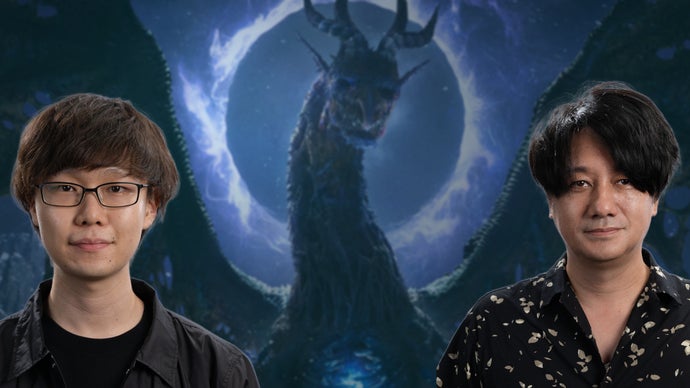
Image: courtesy of EuroGamer
Dragon's Dogma 2 Developers Attempt To Rebuild Player Trust After Fast Travel U-Turn, Eyeing Dark Arisen DLC
Capcom's development team for 'Dragon's Dogma 2' has publicly addressed its decision to reverse controversial changes related to in-game fast travel and microtransactions. The developers confirmed these adjustments were made to regain the confidence of the RPG fanbase, with a significant patch released in June 2026 and another scheduled for August. The upcoming 'Dark Arisen' downloadable content, set for release on October 9, 2026, is central to this effort, aiming to deliver content that resonates with player expectations.
Outlook
Background
When 'Dragon's Dogma 2' first launched, it faced a wave of criticism from its player base. A significant portion of this backlash centered on the game's restrictive approach to fast travel and the implementation of microtransactions, which many players felt undermined the core experience. The game's director, Hideaki Itsuno, had previously expressed a design philosophy that viewed extensive fast travel as a feature for 'boring' games, emphasizing immersive exploration over convenience. This stance, while aligned with a certain vision for open-world RPGs, clashed with player expectations for accessibility within the game's expansive world.
The initial design choices led to widespread dissatisfaction, prompting the development team to reassess its strategy. In response, Capcom confirmed a 'U-turn' on these design elements, specifically reversing some of the controversial microtransaction and fast travel mechanics. This reversal was implemented through a patch in June 2026, with a further update planned for August 2026, indicating an ongoing effort to address player concerns. The developers have openly stated their intention to 'win back the trust' of RPG fans, acknowledging the impact of the initial reception.
Precedents
The gaming industry has a long history of developers adjusting their strategies in response to player feedback, especially for live-service titles or major RPG releases. Often, an initial launch with unpopular features can damage a game's reputation, leading to lower sales or a frustrated community. Companies like Square Enix with 'Final Fantasy XIV' or CD Projekt Red with 'Cyberpunk 2077' have famously undertaken significant efforts, including re-launches or extensive post-release patching, to recover from difficult initial receptions.
DLC, or downloadable content, frequently serves as a mechanism to re-engage players and introduce new features or story elements that can either reinforce or redefine a game's identity. When used effectively, a well-received DLC can sometimes shift the narrative around a struggling title, demonstrating a developer's commitment to improvement. However, there are also instances where DLC fails to overcome fundamental issues or is perceived as a cynical attempt to extract more money without genuine improvement. The success of such efforts often hinges on whether the new content genuinely addresses the root causes of player dissatisfaction and delivers on long-held expectations for quality and value.
Capcom's decision to publicly acknowledge and reverse course on controversial design elements in 'Dragon's Dogma 2' carries significant weight for several reasons. For the company, it's a direct response to market pressure and an attempt to safeguard the long-term commercial viability and reputation of one of its key franchises. Ignoring widespread player dissatisfaction could have led to a sustained decline in player engagement and future sales.
For the broader gaming community, particularly RPG enthusiasts, this situation highlights the evolving power dynamic between players and developers. It indicates that strong, unified feedback can indeed influence major design decisions, even after a game's release. However, it also raises questions about the initial vision for games and whether developers are increasingly pressured to compromise their artistic intent for commercial success or player appeasement. The success or failure of 'Dragon's Dogma 2' in regaining trust with its 'Dark Arisen' DLC could set a precedent for how other studios approach post-launch adjustments and community engagement in the future.
Scenarios
AnalysisCapcom's efforts to win back 'Dragon's Dogma 2' players could lead to several different outcomes:
One possible outcome is that the combination of the patches and the 'Dark Arisen' DLC successfully addresses player concerns, leading to a significant improvement in public perception and renewed player engagement. If the DLC is well-received and seen as a genuine commitment to quality, it could drive increased sales of both the DLC and the base game, helping to restore the franchise's standing.
Alternatively, the changes and the DLC may be perceived as too little, too late, or a fundamental compromise to the game's original vision. Some players might view the initial design choices as an unforgivable misstep, and even a strong DLC might not fully erase that initial negative impression. This could result in moderate sales for 'Dark Arisen' and a lingering sense of skepticism among the player base, impacting future titles from the studio.
A third scenario suggests that while the DLC itself might be critically acclaimed and enjoyable, the debate over fast travel and microtransactions could continue to overshadow the game's merits. This could create a fractured community, with some players appreciating the revised experience and others remaining critical of the initial direction, making it difficult for the game to achieve its full commercial and critical potential.
Timeline
Prior to Game Release
Director Itsuno's Stance on Fast Travel
Dragon's Dogma 2 director Hideaki Itsuno publicly states his preference against extensive fast travel in open-world games, describing it as for 'boring' games, hinting at a design focused on immersive exploration.
Implied Before June 2026
Dragon's Dogma 2 Initial Release and Controversy
The base game for Dragon's Dogma 2 is released, encountering significant player backlash regarding its restrictive fast travel mechanics and the implementation of microtransactions.
2026-06-10
First Major Title Update Released
Capcom issues a patch for Dragon's Dogma 2 across PlayStation 5, Xbox Series X|S, and Steam, addressing some of the controversial elements and beginning the 'U-turn' on design choices.
2026-06-24
Additional Title Update Released
Another patch is released for Dragon's Dogma 2, continuing the developer's efforts to refine the game and respond to player feedback.
2026-07-13
Developers Discuss U-Turn and Trust
Lead developers for Dragon's Dogma 2 speak to Eurogamer, confirming the 'big fast travel U-turn' and expressing their intent to 'win back the trust' of RPG fans with the upcoming Dark Arisen DLC.
August 2026
Planned August Update Notice
Capcom announces plans for a further title update for Dragon's Dogma 2, indicating ongoing support and adjustments based on player feedback.
2026-10-09
Dark Arisen DLC Release
The 'Dragon's Dogma II Dark Arisen' DLC is scheduled for release on all platforms. This content expansion will also be available as a full game bundle and includes new features like additional hairstyles.
Frequently Asked Questions
The primary causes of player backlash were the game's initial implementation of restrictive fast travel options and the presence of microtransactions, which many players felt were intrusive or unnecessary for a single-player RPG experience.
Discussion
Be the first to share your thoughts.