
The extraordinary success of Meccha Chameleon is more than just a feel-good story for indie developers; it is a critical case study in modern game distribution and player engagement. This article will examine the specific mechanics behind its viral spread, compare its trajectory to other breakout hits, and explore what this means for the financial models of both independent studios and major publishers. We will also consider the challenges of sustaining such rapid growth and the broader implications for market saturation.
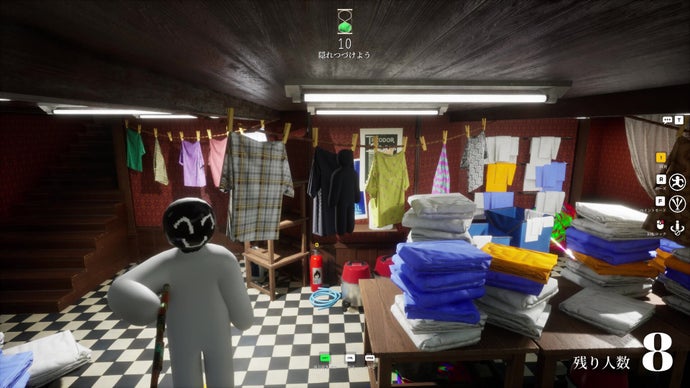
Image: courtesy of EuroGamer
How a $5 Indie Game Built by Two People Sold 15 Million Copies in a Month
Meccha Chameleon, a multiplayer hide-and-seek game developed by a small team, has sold 15 million copies in less than 30 days since its launch on June 10, 2026. The game's rapid rise, fueled by its low price point and viral popularity among streamers, has led to a peak of 340,000 concurrent players, outperforming established AAA titles. This unexpected breakout challenges traditional publishing models and signals a shift in how blockbuster games can emerge.
Outlook
Background
On July 5, 2026, Meccha Chameleon, a casual multiplayer game, reached a significant milestone: 15 million copies sold in under a month. The game, developed by a small team of two Japanese indie developers, Lemorion_1224 and Haganeiro, first launched on Windows via Steam on June 10, 2026. Its price point is a modest $5.
The game's core mechanic revolves around a hide-and-seek format where 'chameleons' can dynamically paint themselves to blend into their surroundings, while 'hunters' must track them down. This simple yet effective concept quickly resonated with players and content creators.
Its sales trajectory has been nothing short of explosive. Within four days of its June 10 release, Meccha Chameleon had already sold over 1 million copies. By June 15, that figure had doubled to 2 million. The momentum continued, reaching 10 million copies sold by June 26. The latest count of 15 million copies sold in less than 30 days indicates an average of 500,000 sales per day for the last two weeks of June.
Player engagement numbers mirror this commercial success. The game recorded an all-time peak of 340,534 concurrent players on Steam, according to SteamDB figures. This peak concurrent player count surpassed major titles like Overwatch and Apex Legends, placing Meccha Chameleon among the top five daily active user counts on Steam globally. This level of engagement for a new, independently developed title is rare and noteworthy. The developers have already announced plans for a new map update, a common strategy to maintain player interest following a successful launch.
See also
Precedents
The gaming industry has seen its share of unexpected viral hits, but Meccha Chameleon's rapid ascent to 15 million sales in less than a month places it in a unique echelon. Previous indie darlings like Among Us and Fall Guys also leveraged simple, engaging mechanics and the 'streamer effect' to achieve widespread popularity, but their growth often unfolded over a slightly longer timeframe or benefited from larger, albeit still lean, development teams or significant publisher backing. Among Us, for example, gained its massive audience years after its initial release, largely due to Twitch and YouTube streamers during the pandemic.
What sets Meccha Chameleon apart is the sheer speed and scale of its success from a standing start. Its $5 price point is a critical factor. This 'impulse purchase' threshold lowers the barrier to entry significantly, making it easy for friends to buy copies for group play or for viewers to mimic their favorite streamers without a major financial commitment. This strategy stands in stark contrast to the $60-$70 price tags of most new AAA releases, which rely on extensive marketing budgets and established franchises to drive sales.
The 'streamer effect' cannot be overstated here. When prominent content creators showcase a game, especially one with visually distinct and easily understandable gameplay, it acts as a highly effective, organic marketing campaign. For a game like Meccha Chameleon, where 'blending in' and 'finding' are immediate visual hooks, it translates directly into views and, crucially, sales. This pattern has been observed with other indie successes, from Stardew Valley's slow-burn community growth to Rust's early access explosion, but Meccha Chameleon demonstrates this phenomenon at an accelerated pace.
Historically, games that achieve this level of viral recognition often share common traits: accessible gameplay, strong social components, and a unique visual identity that makes them memorable. Meccha Chameleon ticks all these boxes, proving that innovation in core mechanics and smart pricing can still cut through a crowded market without the need for massive marketing spend or a pre-existing fanbase.
The commercial breakout of Meccha Chameleon carries significant implications for the wider gaming industry, potentially reshaping how games are developed, marketed, and consumed. For independent developers, this success story serves as a powerful validation. It demonstrates that a small team with a compelling idea and lean development can not only compete with but outshine major studio productions in terms of raw sales velocity and player engagement.
This outcome challenges the entrenched belief that only games with massive budgets and years of development can achieve blockbuster status. It suggests that the market is hungry for fresh, accessible experiences that prioritize fun over graphical fidelity or complex narratives. This could encourage more developers to pursue innovative, smaller-scale projects, fostering greater creativity within the industry.
For established publishers, Meccha Chameleon's performance is a wake-up call. It highlights the diminishing returns of relying solely on sequels and remakes, especially if those titles struggle to capture the same organic, viral appeal. Publishers may need to recalibrate their investment strategies, perhaps by actively seeking out and nurturing smaller, high-concept indie titles or by re-evaluating their own pricing models.
Furthermore, the game's reliance on streamer culture for marketing underscores a fundamental shift in player acquisition. Traditional advertising, while still relevant for AAA titles, appears less effective for capturing the immediate, word-of-mouth momentum seen with Meccha Chameleon. Understanding and leveraging these new channels for discovery will become increasingly crucial.
Finally, this phenomenon impacts consumer expectations. Players are increasingly open to lower-priced, high-value experiences. This could put pressure on the pricing of larger titles, particularly if they fail to deliver perceived value commensurate with their higher cost. The success of Meccha Chameleon underlines a growing segment of the market that values immediate, shareable fun above all else.
Scenarios
AnalysisThe trajectory of Meccha Chameleon could lead to several distinct outcomes for the game itself and the broader industry:
1. Increased Investment in Indie Development and Viral Mechanics: The game's success will almost certainly prompt publishers and investors to actively seek out and fund more projects that possess similar viral potential: low-cost, high-concept, multiplayer-focused games. This could lead to a 'gold rush' for independent studios, with increased competition for funding and talent. However, it also means a greater willingness from capital providers to back unconventional ideas that deviate from established genres, potentially fostering a more diverse gaming landscape.
2. Market Saturation and the 'Copycat' Effect: The immediate and overwhelming success of Meccha Chameleon is likely to inspire a wave of similar hide-and-seek style games, particularly those leveraging 'blending in' mechanics. This could quickly lead to market saturation, making it harder for future titles to stand out and replicate Meccha Chameleon's organic growth. Players, having experienced the original, may also grow tired of derivative concepts, making it difficult for any single follow-up to capture the same lightning-in-a-bottle appeal. The challenge for new developers will be to innovate beyond the core concept rather than merely imitating it.
3. Expansion and Longevity for Meccha Chameleon: With 15 million sales, Meccha Chameleon now has a substantial player base and significant revenue. This provides the small development team with the resources to expand the game significantly. This could involve more maps, game modes, character customization options, and potentially even ports to other platforms like consoles or mobile devices. The key challenge will be to maintain player engagement and content freshness without overcomplicating the simple formula that made it successful. Sustaining a community for years, as Minecraft or Among Us have done, requires consistent updates and careful community management.
Timeline
2026-06-10
Meccha Chameleon Launches on Steam
The multiplayer hide-and-seek indie game, developed by Lemorion_1224 and Haganeiro, is released for Windows.
2026-06-14
1 Million Copies Sold
Meccha Chameleon surpasses 1 million sales within its first four days, signaling strong early adoption.
2026-06-15
2 Million Copies Sold
Sales double to 2 million copies just five days after launch, driven by viral streaming and low price.
2026-06-26
10 Million Copies Sold
The game hits 10 million sales, confirming its status as a major viral hit across the gaming community.
2026-07-05
15 Million Copies Sold in Under a Month
Meccha Chameleon reaches 15 million units sold, solidifying its position as one of the fastest-selling indie games of all time.
Frequently Asked Questions
Meccha Chameleon is a multiplayer casual video game developed by Japanese indie developers Lemorion_1224 and Haganeiro. It's a hide-and-seek style game where players can disguise themselves by painting their characters to match the environment.
Discussion
Be the first to share your thoughts.