
Players should anticipate a shift in how CD Projekt Red manages its legacy catalog. Rather than letting older games fade into the background, the studio is treating its flagship IP as a permanent, living platform. This means consistent content updates, technical refinements, and narrative expansions that keep the game relevant in a market dominated by live-service titles. The upcoming third expansion is not a final send-off, but a strategic move to keep the Witcher brand front-and-center while the studio balances development on its next generation of titles.
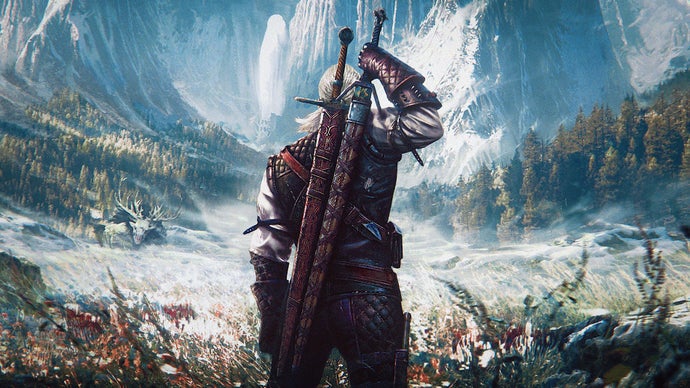
Image: courtesy of EuroGamer
The Witcher 3 Milestone: Why CD Projekt Red is Betting on the Past
Eleven years after its debut, The Witcher 3: Wild Hunt has reached a massive, undisclosed sales milestone that has fundamentally altered CD Projekt Red’s roadmap. By greenlighting a third expansion for a decade-old title, the studio is challenging the industry's obsession with the 'new' and proving that narrative-driven games can function as long-term financial assets.
Outlook
Background
The gaming industry traditionally functions on a high-stakes, front-loaded model where a game’s profitability is determined within the first 90 days. CD Projekt Red has effectively broken this cycle by maintaining high sales volumes and player engagement for over a decade. By treating the game as a 'perpetual engine,' the studio has created a reliable revenue stream that reduces the pressure to rush new, unproven projects to market. This stability is a rare luxury in a sector often defined by the volatile boom-and-bust cycle of AAA development.
Precedents
While titles like Grand Theft Auto V have achieved similar longevity, they relied heavily on multiplayer ecosystems to sustain interest. Skyrim utilized the power of a massive modding community to remain relevant. CD Projekt Red’s approach is unique because it combines those external factors with direct, studio-led narrative expansions. They are essentially attempting to create a 'living classic,' a hybrid model that mirrors the support structure of MMOs like World of Warcraft but within a single-player, narrative-heavy framework.
This development challenges the unsustainable trend of ever-increasing development costs and massive, multi-year production cycles. If a studio can successfully monetize a decade-old game, it proves that building a high-quality, flexible foundation is more profitable than constantly starting from scratch. It signals a potential pivot point for the entire industry, where the 'shelf life' of a game becomes the primary metric of success, favoring deep, long-term brand loyalty over the fleeting hype of a launch window.
Scenarios
Analysis1. The Evergreen Success: The expansion performs exceptionally well, validating the studio's shift toward long-term content cycles. This would encourage CD Projekt Red to adopt this model for other IPs, potentially stabilizing their financial future and reducing employee burnout associated with aggressive release schedules. 2. The Diminishing Returns Trap: The expansion fails to resonate, leading to accusations that the studio is 'resurrecting a corpse.' This could damage the brand's reputation and lead to investor skepticism, as resources diverted from future projects fail to yield a significant return. 3. The Platform Pivot: CD Projekt Red uses this momentum to launch a proprietary ecosystem or launcher, attempting to capture more direct revenue and user data. This would be a high-risk gamble that places them in direct competition with the very platform holders they currently rely on for distribution.
Timeline
2015
The Witcher 3: Wild Hunt Launch
The base game is released to critical acclaim, setting a new bar for open-world narrative RPGs.
2016
Expansion Completion
The release of 'Blood and Wine' is widely considered the final major content update, marking the end of the traditional development cycle.
2024-2025
The Milestone Revelation
CD Projekt Red reports a surge in long-term sales, triggering the decision to develop a third, unexpected expansion.
Frequently Asked Questions
While the studio hasn't explicitly linked the two, resources are finite. Any focus on an older title inevitably draws talent and attention away from new projects, though the studio maintains that the expansion is a strategic bridge rather than a replacement for future innovation.
Discussion
Be the first to share your thoughts.