
Veridact
TechSportsFinanceGaming🎯 PredictionsAbout
Sign InSign Up
Veridact

Analysis before the headline. Veridact examines technology, finance, sports, and gaming events before they unfold through forecasting, probability modeling, historical precedent, and public prediction tracking.

Stay ahead of what's next

Forecasts, analysis, and prediction updates delivered to your inbox.

Coverage

  • Tech
  • Sports
  • Finance
  • Gaming

Company

  • About Us
  • Privacy Policy

© 2026 Veridact. Forecasting & analysis platform.

Content may include AI-assisted research and analysis. Predictions and opinions should not be considered financial, legal, medical, or investment advice.

gaming
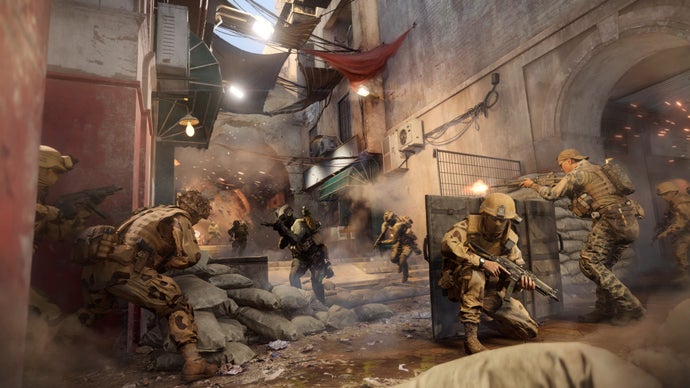
Battlefield 6 is altering its long-range gunplay to feel more like Battlefield 4

Image: courtesy of EuroGamer

gamingJune 27, 2026By Veridact EditorialUpdated Jun 27

Battlefield 6 Overhauls Gunplay, Chasing the Elusive Feel of Battlefield 4

Battlefield 6 is set to implement significant changes to its gunplay mechanics on June 30, 2026, with the stated goal of making long-range combat feel more akin to the highly praised Battlefield 4. The update will primarily reduce bullet deviation and introduce more predictable recoil patterns, aiming to make each weapon's behavior more distinct and skill-based, particularly at distance. This move comes as the game seeks to address long-standing player feedback and potentially win back veteran players who have expressed dissatisfaction with recent entries in the franchise.

Outlook

Players should expect a noticeable shift in how weapons handle, especially when engaging targets at a distance. The core of the update focuses on reducing what is known as 'bullet deviation' – the random spread of bullets away from the point of aim. This means shots will land closer to where players are aiming, increasing the importance of precise aiming skill over luck, especially for automatic weapons. Alongside this, developers are adjusting recoil patterns to be more predictable. This does not mean recoil will be absent, but rather that players will be able to learn and compensate for a weapon's kick more consistently, rewarding practice and mastery.

For close-quarters combat, the developers have indicated that the Time-To-Kill (TTK) for automatic primary weapons will remain largely consistent, ranging between 200 and 300 milliseconds. This range is explicitly compared to the TTK found in Battlefield 3 and Battlefield 4, suggesting that while long-range engagements are being re-tuned for skill, the rapid pace of close-range firefights will largely be preserved. The overall intent is to create more distinct roles for different weapon types and encourage more precise, considered firing at range, moving away from sustained full-auto suppression.

Background

The Battlefield franchise has a storied history, with titles like Battlefield 3 and Battlefield 4 often cited by fans as pinnacles of the series' gunplay. These games were known for their weighty, skill-based weapon mechanics that rewarded players for learning recoil patterns, burst firing, and managing bullet drop over distance. More recent entries, however, have sometimes deviated from this formula, leading to player complaints about inconsistent weapon behavior, excessive bullet spread, and a reduced sense of individual skill impacting outcomes, particularly in Battlefield 2042.

Battlefield 6, while attempting to innovate, appears to have faced similar criticisms regarding its initial gunplay implementation. The explicit decision to reference Battlefield 4 as a benchmark for this overhaul is a direct acknowledgment of player sentiment and a strategic pivot. It signals a desire to reconnect with the core audience that values tactical, precise gunplay over more arcade-like or random shooting mechanics. This update is not merely a tweak; it represents a philosophical adjustment in how the game intends for its players to engage in combat, prioritizing a higher skill ceiling and a more rewarding experience for those who invest time in weapon mastery.

Precedents

This isn't the first time a major online game has significantly altered its core mechanics in response to player feedback. The gaming industry is replete with examples of developers making substantial changes post-launch to address community concerns, often drawing inspiration from previous, more successful iterations.

For instance, Bungie's Destiny 2 famously overhauled its weapon slot system and time-to-kill values multiple times after launch, often moving closer to the feel of its predecessor, Destiny 1, to appease veteran players. Similarly, No Man's Sky launched to widespread criticism but eventually delivered massive updates that transformed the game into what many originally hoped for, earning back a significant portion of its player base.

Within the Battlefield series itself, developers have historically iterated on gunplay and other mechanics across titles. However, explicitly aiming to replicate the 'feel' of a beloved past title like Battlefield 4 represents a more direct course correction. It suggests that the current gunplay diverged far enough from the established fan expectation that a significant re-alignment was deemed necessary. The success of such a move often hinges on whether the developers truly understand the underlying appeal of the older mechanics and can translate them effectively into the new game's engine and design.

The upcoming gunplay overhaul in Battlefield 6 carries significant weight for the game's future and the broader Battlefield franchise. For players, especially the long-time veterans who remember the golden age of Battlefield 3 and 4, this update could be the decisive factor in whether they return to the game or continue to feel alienated. A more predictable and skill-based gunplay system could revitalize the game's competitive scene, foster a more dedicated community, and significantly improve overall player satisfaction.

For Electronic Arts (EA) and developer DICE, this move is a critical test of their responsiveness to community feedback. Successfully implementing these changes could rebuild trust with a player base that has, at times, felt unheard. Conversely, if the changes fall short or introduce new unforeseen issues, it could further entrench negative perceptions and make it harder for future Battlefield titles to attract and retain players. The financial implications are also considerable; a healthier player count often translates to increased sales of cosmetic items, battle passes, and future expansions, extending the game's lifespan and profitability. Ultimately, this update is about more than just weapon statistics; it's about reaffirming the core identity of a flagship franchise.

Scenarios

Analysis

One possible outcome is that the gunplay changes are largely well-received, particularly by veteran players who have been vocal about their desire for a return to Battlefield 4's mechanics. If the reduction in bullet deviation and more predictable recoil genuinely translate to a higher skill ceiling and more rewarding engagements, it could lead to a noticeable resurgence in player activity and positive sentiment. This scenario would likely see an increase in content creation around Battlefield 6, drawing new players into a more polished and satisfying experience.

Another scenario is that while the changes are a step in the right direction, they might not fully capture the 'feel' that players are hoping for. It is difficult to perfectly replicate the nuanced interactions of an older game within a new engine and design philosophy. In this case, players might acknowledge the effort but remain critical of other aspects of the game, or find that the new gunplay introduces its own set of unforeseen balancing issues. This could result in a mixed reception, where some aspects are praised while others continue to be points of contention.

A less favorable outcome, though perhaps less likely given the explicit goals, is that the changes could inadvertently alienate a segment of the existing player base who may have adapted to or even preferred the current gunplay. Significant shifts in core mechanics, even when aimed at improvement, can sometimes disrupt established playstyles and lead to frustration if not carefully balanced. This could further fragment the community or fail to attract enough new players to offset any departures.

Timeline

2026-06-25
Battlefield Instagram Tease
Battlefield's official Instagram account posted a video teasing gunplay changes, showing 'BEFORE' and 'AFTER' comparisons for Battlefield 6 combat gunplay.
2026-06-26
News of Gunplay Overhaul Breaks
Gaming news outlets report that Battlefield 6 is overhauling its gunplay, aiming for a feel closer to Battlefield 4, with specific changes to bullet deviation and recoil patterns confirmed for an upcoming update.
2026-06-30
Gunplay Update Release
The announced gunplay changes for Battlefield 6, including reduced bullet deviation and more predictable recoil, are scheduled to go live for all players.

Frequently Asked Questions

Bullet deviation refers to the random spread of bullets from your weapon, meaning they might not hit exactly where your crosshair is pointing, even if your aim is perfect. Reducing it makes shooting more precise and skill-based, as your shots will consistently land closer to your target, rewarding accurate aim rather than relying on luck.

Discussion

0/100
0/1000

Be the first to share your thoughts.

Related Coverage

gaming

Super Earth's Finest: Can You Recall the Stratagem Codes That Save Missions?

Jun 28
gaming

Bungie Ends Destiny 2 Development After Sony Layoffs, Shifts Full Focus to Marathon

Jun 27
gaming

The Illusion of Ownership: PlayStation Deletes 551 Movies, Offers No Refunds to UK Customers

Jun 27
gaming

Embark Sweetens the Deal: Arc Raiders Expedition 4 Offers Paid Currency and Blueprints

Jun 27

Stay ahead of the story

AI analysis delivered before events unfold. No spam.

ⓘ

Methodology: Veridact combines public data, historical precedent, and analytical models to evaluate the likelihood of future outcomes.