Veridact
TechSportsFinanceGaming🎯 PredictionsAbout
Sign InSign Up
Veridact

Analysis before the headline. Veridact examines technology, finance, sports, and gaming events before they unfold through forecasting, probability modeling, historical precedent, and public prediction tracking.

Stay ahead of what's next

Forecasts, analysis, and prediction updates delivered to your inbox.

Coverage

  • Tech
  • Sports
  • Finance
  • Gaming

Company

  • About Us
  • Privacy Policy

© 2026 Veridact. Forecasting & analysis platform.

Content may include AI-assisted research and analysis. Predictions and opinions should not be considered financial, legal, medical, or investment advice.

gaming
Destiny 2′s Final Hotfix Gets Delayed After Sony Lays Off Some Of The People Working On It

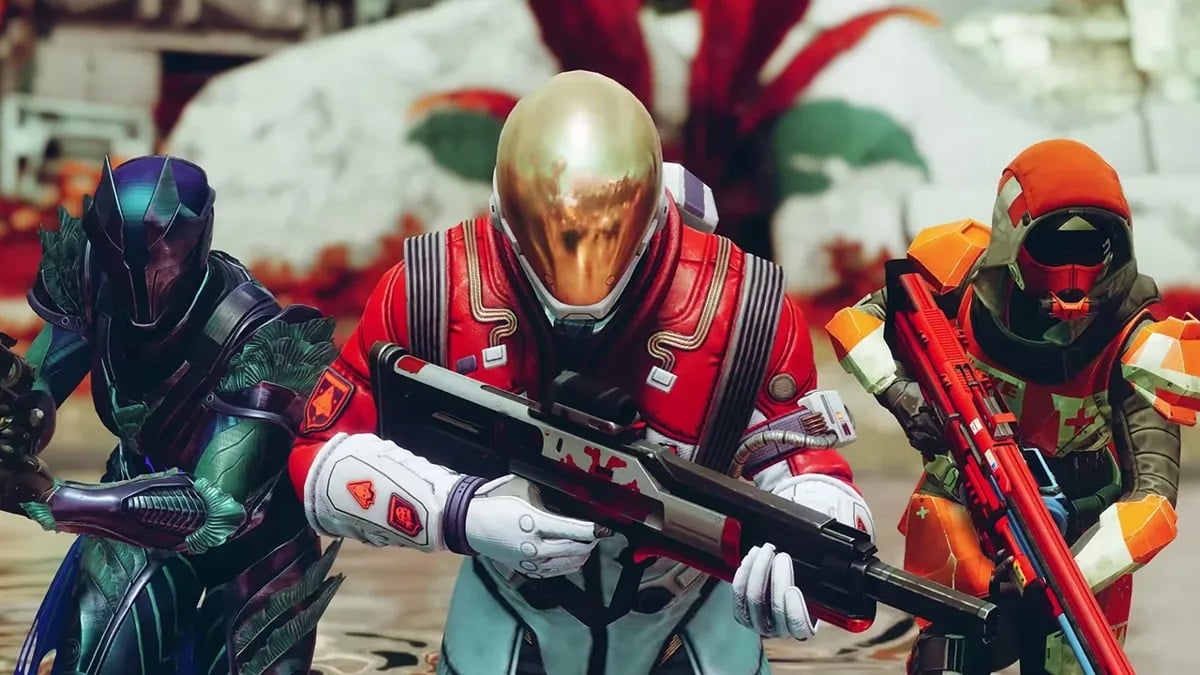
Image: courtesy of Kotaku

gamingJune 27, 2026By Veridact EditorialUpdated Jun 27

Bungie Ends Destiny 2 Development After Sony Layoffs, Shifts Full Focus to Marathon

Sony has confirmed significant layoffs at Bungie, primarily impacting the team behind Destiny 2. This restructuring follows Destiny 2's underperformance against Sony's financial expectations, leading Bungie to cease live development on the veteran title. The studio is now redirecting its resources and talent towards its upcoming live-service shooter, Marathon, marking a critical strategic pivot for the PlayStation-owned developer.

Outlook

The gaming industry is witnessing a significant recalibration within Bungie, the studio behind the popular Destiny franchise. Following revelations last fall that Destiny 2 had not met Sony's financial projections, the company has undertaken substantial layoffs. These cuts predominantly affected the Destiny 2 development team, though some Marathon developers were also impacted.

Bungie has formally ended live development for Destiny 2, with its final content update, 'Monument of Triumph,' delivered in June 2024. This marks the conclusion of new seasonal content, raids, and expansions for the nearly nine-year-old game. The studio has no immediate plans for a Destiny 2 sequel, indicating a definitive shift in its long-term strategy.

Moving forward, Bungie's operational focus and development resources are now being channeled into Marathon, a new extraction shooter that revives an older Bungie franchise. This move is designed to consolidate efforts and maximize the potential of the new title, placing it at the forefront of Bungie's future under Sony's ownership.

Background

The roots of this strategic realignment trace back to Sony's acquisition of Bungie in 2022 for $3.6 billion. This substantial investment was widely seen as a cornerstone of Sony's broader push into the live-service gaming market, leveraging Bungie's established expertise with Destiny 2. However, the performance of Destiny 2 began to fall short of the high expectations Sony had set. Public statements from Sony last fall indicated dissatisfaction with the game's financial trajectory, setting the stage for the recent changes.

The layoffs themselves were described as 'significant' by Sony, affecting 'most' of the Destiny team. While the exact number of individuals impacted was not disclosed, the scale suggests a substantial internal restructuring designed to right-size the studio for its new mandate. Studio leadership has also seen changes, with reports indicating Justin Truman, a long-standing figure, stepping down as studio head. This internal upheaval signals a clear message from both Sony and Bungie's management: the status quo was unsustainable, and a decisive change in direction was necessary to secure the studio's future and deliver on Sony's multi-billion-dollar investment. The decision to end live development on Destiny 2, a game that has been active since 2017, is a stark indicator of this shift, effectively moving the title into a maintenance-only phase while a new project takes center stage.

Precedents

The gaming industry has a long history of ambitious acquisitions that sometimes fail to meet lofty expectations, leading to subsequent restructuring. When large publishers like Sony acquire independent studios, especially for significant sums, there's an inherent pressure for the acquired entity to deliver substantial returns. The $3.6 billion price tag for Bungie placed immense pressure on Destiny 2 to perform at a consistently high level, generating revenue streams that justified the investment.

Live-service games, while potentially lucrative, are notoriously difficult to sustain over many years. Titles like BioWare's Anthem, Square Enix's Marvel's Avengers, and PlatinumGames' Babylon's Fall have all struggled to maintain player engagement and profitability, ultimately leading to reduced support or outright shutdown. Even highly successful live-service games like Destiny 2 eventually reach a point of diminishing returns, where the cost of developing new content outweighs the incremental revenue it generates. Publishers often find themselves in a difficult position: continue investing in an aging title with a shrinking, albeit dedicated, player base, or pivot resources to a new project with higher growth potential.

This pattern of layoffs following underperformance or strategic shifts is also a recurring theme in the technology and entertainment sectors. Companies frequently 'right-size' their operations to align with current financial realities or new strategic objectives, a process that often involves difficult personnel decisions. The move to consolidate resources on a single, high-potential project like Marathon is a classic response to such pressures, aiming to focus talent and capital for a more impactful launch.

The consequences of these layoffs and the strategic pivot extend far beyond Bungie's immediate workforce. For Sony, this situation forces a public re-evaluation of its ambitious live-service strategy. The company has explicitly stated its intention to significantly expand its live-service portfolio, and the struggles of its flagship live-service acquisition raise critical questions about execution risk, market saturation, and the financial viability of such large-scale investments. It implies that even with a proven developer like Bungie, success in the live-service arena is far from guaranteed, potentially influencing Sony's future acquisition targets and development mandates.

For Bungie itself, this marks a high-stakes moment. The studio's entire future now hinges on the success of Marathon. After nearly a decade centered on Destiny 2, the shift demands a cultural and operational reset. The pressure to deliver a successful new IP that justifies Sony's investment and re-establishes Bungie's reputation as a live-service leader is immense. A strong launch for Marathon could solidify Bungie's position within the PlayStation ecosystem; another underperformance could lead to more profound challenges to its autonomy and structure.

Finally, for the broader gaming industry and players, this event serves as a stark reminder of the volatile nature of live-service models. It highlights the constant need for innovation, the difficulty of maintaining engagement over long periods, and the often brutal financial realities that drive development decisions. It also sends a signal about the potential risks associated with focusing too heavily on a single genre or business model, even for major publishers.

Scenarios

Analysis

The path forward for Bungie and Sony presents several distinct possibilities, each with significant implications for the studio, the publisher, and the wider gaming market.

One possible outcome is that Bungie's concentrated focus on Marathon yields a highly successful new live-service title. By redirecting 'most' of its Destiny team and consolidating resources, Bungie could leverage its deep experience in creating engaging gameplay loops and persistent worlds. If Marathon launches to critical acclaim and attracts a substantial, dedicated player base, it could validate Sony's original acquisition and provide a much-needed win for the publisher's live-service ambitions. This success would help justify the difficult layoffs and strategic pivot, restoring confidence in Bungie's ability to create and sustain popular online experiences. The market could then view Sony's investment in Bungie as a long-term strategic success, albeit one with initial turbulence.

Conversely, Marathon could face its own set of challenges. The live-service market is increasingly crowded and competitive, and even a well-made game can struggle to gain traction against established giants. Development hurdles, shifts in player preferences, or an inability to differentiate itself sufficiently could lead to Marathon underperforming Sony's expectations. In this scenario, Bungie could find itself under renewed scrutiny, potentially leading to further internal restructuring, a reduction in creative autonomy, or even a re-evaluation of its long-term role within the PlayStation Studios network. This would also force Sony to reconsider the scale and nature of its live-service investments, potentially leading to a more conservative approach or a diversification into other game genres.

A third outcome involves a broader recalibration of Sony's live-service strategy. Even if Marathon achieves moderate success, Destiny 2's struggles might lead Sony to adjust its overall targets and investment thesis for live-service games. This might involve a more cautious approach to future acquisitions in the genre, a greater emphasis on integrating live-service elements into existing single-player franchises, or a diversification of its portfolio to reduce reliance on any single model. The experience with Bungie could serve as a valuable, if costly, lesson in the complexities and risks inherent in building a robust live-service ecosystem.

Timeline

2017
Destiny 2 Original Launch
Bungie releases Destiny 2, building on the success of its predecessor as a live-service multiplayer shooter.
2022
Sony Acquires Bungie
Sony completes its acquisition of Bungie for $3.6 billion, aiming to bolster its live-service gaming portfolio.
Fall (prior to 2026)
Destiny 2 Performance Concerns Revealed
Sony publicly discloses that Destiny 2 is not meeting its financial performance expectations.
June 2024
Destiny 2 Final Update Released
Bungie releases the 'Monument of Triumph' update, marking the end of new live development for Destiny 2. This update was previously delayed.
Recent Past (prior to 2026-06-26)
Bungie Layoffs and Strategic Shift Announced
Sony confirms significant layoffs at Bungie, primarily affecting the Destiny 2 team. Bungie announces it can no longer operate at its previous size and is redirecting resources to Marathon, with no immediate plans for a Destiny 2 sequel.

Frequently Asked Questions

The layoffs at Bungie were a direct result of Destiny 2 failing to meet Sony's financial and performance expectations following its acquisition of the studio. This led to a strategic decision to consolidate resources.

Discussion

0/100
0/1000

Be the first to share your thoughts.

Related Coverage

gaming

The Illusion of Ownership: PlayStation Deletes 551 Movies, Offers No Refunds to UK Customers

Jun 27
gaming

Embark Sweetens the Deal: Arc Raiders Expedition 4 Offers Paid Currency and Blueprints

Jun 27
gaming

Star Wars: Galactic Racer Blends Burnout Speed with Slay the Spire Strategy, Challenging Racing Game Norms

Jun 27
gaming

Retailer Warns GTA 6 Demand Could Trigger Console Shortage This Holiday Season

Jun 27

Stay ahead of the story

AI analysis delivered before events unfold. No spam.

ⓘ

Methodology: Veridact combines public data, historical precedent, and analytical models to evaluate the likelihood of future outcomes.