
Veridact
TechSportsFinanceGaming🎯 PredictionsAbout
Sign InSign Up
Veridact

Analysis before the headline. Veridact examines technology, finance, sports, and gaming events before they unfold through forecasting, probability modeling, historical precedent, and public prediction tracking.

Stay ahead of what's next

Forecasts, analysis, and prediction updates delivered to your inbox.

Coverage

  • Tech
  • Sports
  • Finance
  • Gaming

Company

  • About Us
  • Privacy Policy

© 2026 Veridact. Forecasting & analysis platform.

Content may include AI-assisted research and analysis. Predictions and opinions should not be considered financial, legal, medical, or investment advice.

gaming
Star Wars: Galactic Racer has a lot more Slay the Spire DNA than I expected, because its ex-Burnout devs wanted to add 'real consequence' to each race

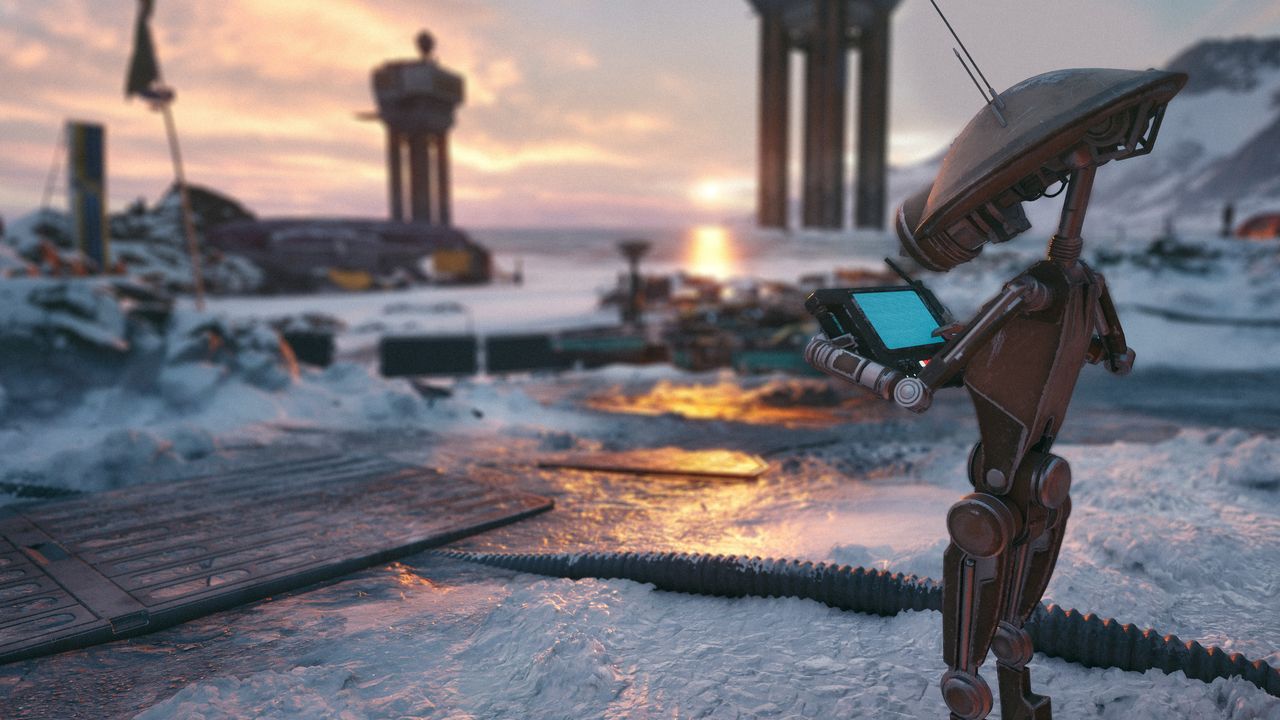
Image: courtesy of PC Gamer

gamingJune 27, 2026By Veridact EditorialUpdated Jun 27

Star Wars: Galactic Racer Blends Burnout Speed with Slay the Spire Strategy, Challenging Racing Game Norms

Star Wars: Galactic Racer, launching on October 6, 2026, is poised to redefine expectations for licensed racing games. Developed by Fuse Games, a studio housing former creators of the high-octane Burnout series, the title is confirmed to integrate roguelike mechanics inspired by the strategic depth of Slay the Spire. This unusual combination promises a racing experience where each run carries 'real consequence' beyond simply winning a single event.

Outlook

Players stepping into the cockpit of Star Wars: Galactic Racer should prepare for more than just high-speed podracing. The game is confirmed to feature a core loop that draws heavily from the roguelike genre, specifically citing 'Slay the Spire DNA.' This implies a structure where players will likely make strategic decisions between races, perhaps choosing paths on an overworld map, acquiring new abilities or vehicle upgrades, and facing permanent consequences for their choices or failures within a 'run.'

The involvement of developers from the acclaimed Burnout series suggests the racing itself will be fast, impactful, and potentially destructive. The 'real consequence' aspect, however, is where the two influences are expected to merge. Unlike traditional arcade racers where a crash might just mean a brief respawn, Galactic Racer could implement systems where damage, resource depletion, or even outright failure in a race has lasting effects on a player's current progression run. This could manifest as permanent handicaps, loss of earned upgrades, or even forcing a complete restart of a campaign, a hallmark of the roguelike genre.

This blend means that every decision, both on and off the track, will likely carry significant weight, pushing players to think strategically about their vehicle build, race choices, and risk tolerance. It's a design choice that moves beyond pure reflex and into a realm of persistent tactical thinking, a rarity in the racing genre.

Background

The announcement of Star Wars: Galactic Racer, first unveiled with a trailer at The Game Awards in December 2025, quickly captured attention. The game is set for release on October 6, 2026, across PlayStation 5, Xbox Series X|S, and PC, with pre-orders already open. Its development by Fuse Games, a studio formed by veterans of the Burnout franchise, immediately sparked optimism among fans of arcade racing. The Burnout series is renowned for its thrilling speed, spectacular crashes, and aggressive gameplay, setting a high bar for the racing mechanics expected in Galactic Racer.

What truly distinguishes this title, however, is its explicit embrace of roguelike elements. The roguelike genre, popularized by games like Slay the Spire, emphasizes procedural generation, permanent death (or permadeath), and run-based progression, where each playthrough is unique and failure often means starting over from scratch. Applying these principles to a racing game is an unconventional move, especially within a major intellectual property like Star Wars.

Historically, Star Wars has ventured into racing games before, with titles like Star Wars Episode I: Racer (1999), Star Wars: Super Bombad Racing (2001), and Star Wars Racer Revenge (2002). These were largely traditional arcade racers, some achieving cult status for their speed and unique Star Wars flavor. Galactic Racer represents the fourth entry in this specific sub-genre, but its design philosophy marks a significant departure from its predecessors. This suggests a strategic effort by Lucasfilm and Fuse Games to innovate within the licensed game space, moving beyond a simple revival of older mechanics to create something genuinely new.

Precedents

The gaming industry has seen a consistent pattern of licensed titles often sticking to established genres, frequently playing it safe to capitalize on brand recognition. Star Wars games, while occasionally pushing boundaries, have mostly adhered to successful formulas in action, RPG, or flight simulation genres. Racing titles within the franchise, such as Episode I: Racer, delivered solid arcade experiences but did not typically introduce genre-bending mechanics.

On the other hand, the Burnout series, from which Fuse Games draws its pedigree, built its reputation on refining the arcade racing formula to near perfection, focusing on speed, aggression, and spectacular crashes. The core appeal was immediate gratification and visceral feedback. Introducing 'real consequence' from a roguelike perspective could be seen as a counterpoint to Burnout's more forgiving design, where restarts were quick and progression was linear.

Roguelikes, exemplified by Slay the Spire, have experienced a massive resurgence in popularity over the last decade. Their appeal lies in high replayability, strategic depth, and the thrill of overcoming increasingly difficult challenges with limited resources. The 'one more run' mentality is a powerful driver for player engagement. However, the success of roguelikes often hinges on balancing brutal difficulty with a sense of fair progression and meaningful choices. Transplanting these mechanics into a high-speed racing context introduces a unique challenge: how do you maintain the flow and excitement of a race while simultaneously forcing players to contend with long-term strategic decisions and the threat of permadeath-like consequences?

Past attempts at genre fusion have yielded mixed results. Sometimes, they create entirely new, beloved experiences. Other times, the disparate elements clash, leaving players feeling like neither genre is fully realized. The success of Star Wars: Galactic Racer will largely depend on Fuse Games' ability to harmoniously blend these two distinct gameplay philosophies without diluting the strengths of either.

The arrival of Star Wars: Galactic Racer carries broader implications for both the Star Wars gaming universe and the racing genre as a whole. For Star Wars, it signals a willingness to take creative risks with its valuable intellectual property, moving beyond predictable adaptations. If successful, this could encourage Lucasfilm and other IP holders to greenlight more experimental projects, leading to a richer and more diverse landscape of licensed games that prioritize innovative gameplay over simple brand recognition.

For the racing genre, this title could become a significant disruptor. For years, racing games have largely evolved incrementally, focusing on graphical fidelity, simulation accuracy, or minor arcade variations. The integration of roguelike elements introduces a fundamental shift in how players might approach a race. It moves the experience beyond pure skill and reaction time, demanding strategic foresight and adaptation over multiple 'runs.' If Fuse Games executes this vision effectively, it could inspire other developers to explore deeper, more consequence-driven mechanics in racing, potentially ushering in a new sub-genre that prioritizes long-term strategic thinking and replayability.

Ultimately, this is a test case for genre fusion at a high-profile level. It asks whether the 'one more run' addictive quality of roguelikes can successfully merge with the adrenaline of high-speed racing, all under the beloved banner of Star Wars. The outcome will inform future development decisions across the industry, potentially opening doors for more ambitious crossovers or, conversely, reinforcing the perceived safety of traditional genre boundaries.

Scenarios

Analysis

The ambitious design of Star Wars: Galactic Racer means its reception could fall into several distinct categories, each with different consequences for the developers and the wider gaming market.

One possible outcome is that the game achieves a successful and cohesive fusion of its disparate elements. The roguelike progression could provide compelling long-term goals and replayability, while the Burnout-inspired racing delivers immediate thrills. In this scenario, players would praise the depth and strategic layers that elevate it beyond a typical racing title. This success could then pave the way for other developers to experiment with roguelike mechanics in unexpected genres, particularly within licensed properties, indicating a shift towards more innovative gameplay designs.

Conversely, the game could struggle to integrate its core mechanics effectively. The 'real consequence' aspect might feel overly punishing or frustrating in a fast-paced racing environment, alienating players who expect a more forgiving arcade experience. The strategic elements might also feel tacked-on or insufficiently deep for dedicated roguelike fans. Should this occur, the game might be seen as an interesting but ultimately flawed experiment, potentially making other studios more cautious about such ambitious genre blending in the future.

A third possibility is that Star Wars: Galactic Racer finds a dedicated, albeit niche, audience. While it may not achieve widespread mainstream appeal, a segment of players who appreciate both the strategic depth of roguelikes and the high-speed action of racing could embrace it. This outcome would still demonstrate the viability of innovative design, even if it doesn't break sales records, and could cultivate a loyal community around its unique gameplay loop. Such a result would still be considered a creative win for Fuse Games and Lucasfilm, proving that calculated risks can yield passionate engagement.

Timeline

2025-12
Game Unveiled
Star Wars: Galactic Racer was officially unveiled with a trailer at The Game Awards.
2026-04-30
Pre-Order Announcement & Release Date Reveal
An official press release and YouTube video confirmed the worldwide launch date and opened pre-orders for PlayStation 5, Xbox Series X|S, and PC, following an earlier pre-order infographic leak.
2026-10-06
Worldwide Launch
Star Wars: Galactic Racer is scheduled to launch worldwide for PlayStation 5, Xbox Series X|S, and PC.

Frequently Asked Questions

Star Wars: Galactic Racer is a racing game that combines high-speed action with roguelike elements, drawing inspiration from the *Burnout* series for its racing mechanics and *Slay the Spire* for its strategic depth and 'real consequence' approach.

Discussion

0/100
0/1000

Be the first to share your thoughts.

Related Coverage

gaming

Bungie Ends Destiny 2 Development After Sony Layoffs, Shifts Full Focus to Marathon

Jun 27
gaming

The Illusion of Ownership: PlayStation Deletes 551 Movies, Offers No Refunds to UK Customers

Jun 27
gaming

Embark Sweetens the Deal: Arc Raiders Expedition 4 Offers Paid Currency and Blueprints

Jun 27
gaming

Retailer Warns GTA 6 Demand Could Trigger Console Shortage This Holiday Season

Jun 27

Stay ahead of the story

AI analysis delivered before events unfold. No spam.

ⓘ

Methodology: Veridact combines public data, historical precedent, and analytical models to evaluate the likelihood of future outcomes.