
Readers can expect an in-depth examination of the conflicting narratives surrounding Francisco Lindor's trade status, coupled with an analysis of his recent statistical performance and the binding financial implications of his contract. The piece will explore the strategic motivations for both the New York Yankees, as a potential suitor seeking to bolster their infield for a championship push, and the New York Mets, who face a pivotal decision point regarding their roster and future direction. Furthermore, it will touch upon the historical precedent of high-profile player movements within New York baseball and the potential ripple effects such a deal could have on team dynamics and fan sentiment across the city.
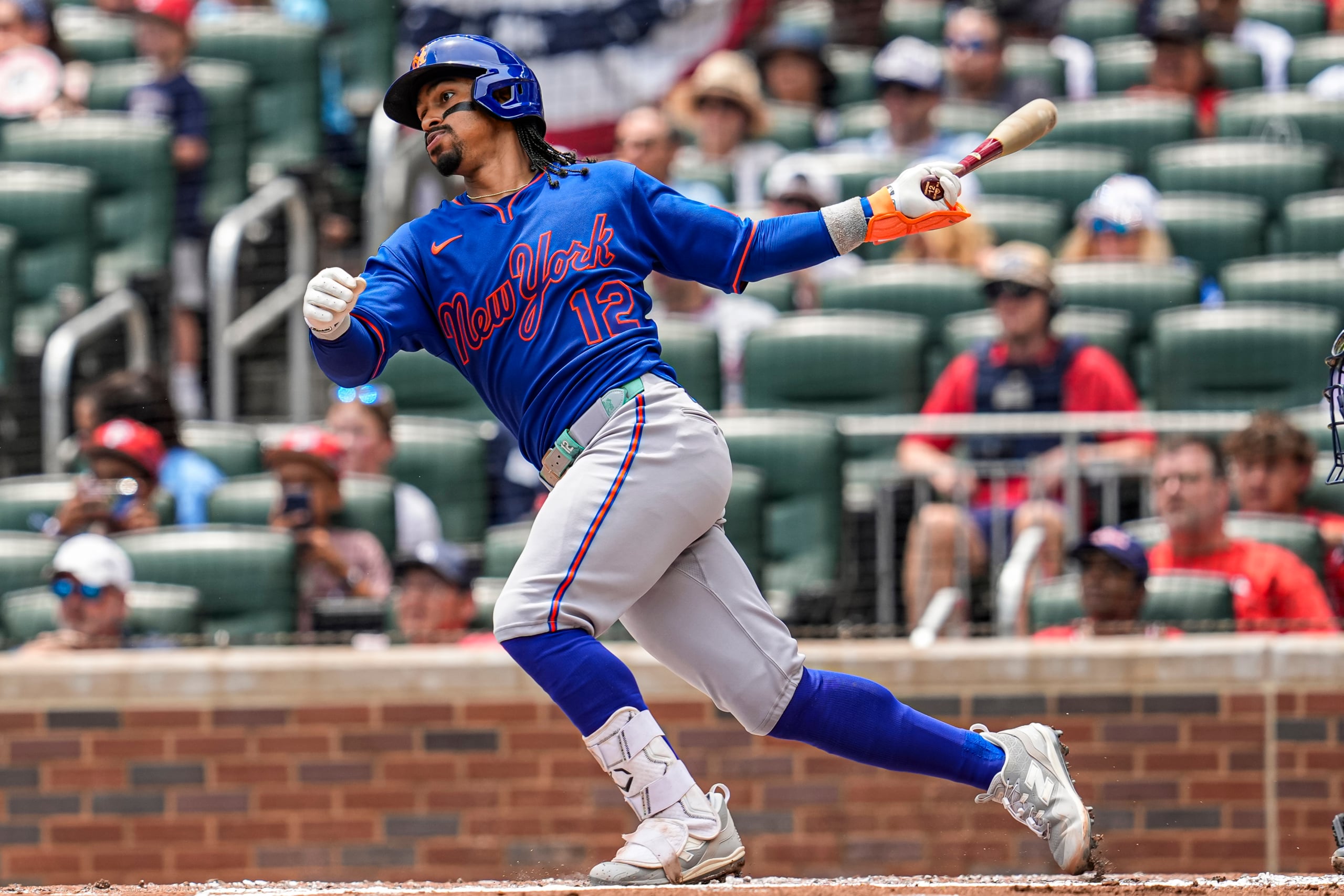
Image: courtesy of Sportsnaut
The Mets' Lindor Dilemma: Why a Yankees Trade Is More Complicated Than Rumors Suggest
Rumors have intensified around the potential trade of New York Mets shortstop Francisco Lindor to the crosstown New York Yankees. While some reports indicate the Mets might be open to such a move given their disappointing season, the team's official stance remains that they have no plans to trade him. Lindor's inconsistent performance on the field this year, coupled with the substantial financial commitment of his long-term contract, creates a complex calculus for both franchises. This article dissects the true value Lindor could offer a contending team, the significant financial hurdles involved, and what a realistic return package might entail for the Mets if they were to shift their organizational strategy.
Outlook
Background
Francisco Lindor, the New York Mets' marquee shortstop, currently finds himself at the center of escalating trade rumors, with the New York Yankees frequently mentioned as a potential destination. Despite these swirling reports, the Mets have publicly stated they have no current plans to move Lindor. This backdrop of denial and speculation emerges as the Mets navigate a poor season, fueling discussions among analysts and fans about the potential for a fire sale of high-value assets.
Lindor's individual performance in the 2026 season has been a mixed bag. As of July 6, his batting average stood at .216 for the season. However, there has been a recent uptick in his production, with Lindor hitting .360 over his last seven games, including two home runs and five RBIs, as of July 7. His career numbers, spanning 1569 games, showcase a historically productive player, boasting 283 home runs and 866 RBIs.
A critical element in any trade discussion is Lindor's substantial, long-term contract. This financial commitment is widely understood to be a limiting factor for prospective trade partners, potentially reducing the pool of interested teams and complicating the structure of any deal. The Yankees, for their part, are reportedly seeking to strengthen their infield. A player of Lindor's proven caliber, even amidst current inconsistencies, could represent a significant upgrade if he were to regain his peak form. The disconnect between the Mets' official position and the persistent trade chatter sets the stage for a dramatic lead-up to the league's trade deadline.
See also
Precedents
High-profile player trades between the New York Yankees and New York Mets are historically infrequent, often complicated by the fierce crosstown rivalry and the intense scrutiny that accompanies any major transaction in the nation's largest media market. When such deals do materialize, they typically involve players either approaching free agency or those with substantial, long-term contracts that one club is looking to shed for financial flexibility or to accelerate a rebuild.
The Yankees have a well-established pattern of acquiring established stars at the trade deadline, particularly for players who can immediately contribute to a postseason push. These acquisitions often come at a significant cost in terms of top prospects. Conversely, the Mets, at various points in their history, have traded veteran players to acquire a deeper pool of prospects, signaling a shift towards a rebuilding phase.
For a player like Lindor, the challenge lies in reconciling his past elite performance and the considerable financial commitment of his contract with his recent statistical inconsistencies. The market for players with large, long-term deals is often constrained, frequently requiring the original team to absorb a portion of the remaining salary to sweeten the deal for an acquiring club. This pattern has been evident in numerous high-salary trades across Major League Baseball in recent seasons. This historical context suggests that if the Mets were to seriously entertain trading Lindor, they would likely face a choice: either find a team willing to assume the vast majority of his contract in exchange for a lesser package of prospects, or accept a more robust prospect haul by agreeing to pay down a significant portion of his remaining salary.
The mere rumor of a Francisco Lindor trade holds profound implications for both New York baseball franchises and their loyal fan bases. For the Mets, moving a player of Lindor's profile and contract size would represent a decisive strategic pivot. Such a move would almost certainly signal an aggressive shift towards a rebuild, freeing up considerable payroll space that could be leveraged in future free agent classes. However, it would also mean parting ways with a player they invested heavily in, and potentially alienating a segment of their fan base.
For the Yankees, acquiring Lindor would be a bold, high-stakes maneuver designed to address specific infield needs and inject another star presence into an already potent lineup. This would signal an 'all-in' approach for a championship pursuit, but it would also mean taking on a massive financial commitment and banking on Lindor's ability to consistently return to his elite form.
The repercussions of such a deal would extend far beyond the immediate on-field impact. It would influence team morale, reshape fan expectations, and significantly alter the competitive landscape of New York baseball for years to come. The sheer scale of Lindor's contract means that its placement on either team's books would fundamentally shape future spending, roster construction, and long-term organizational planning.
Scenarios
Analysis[{"title":"Lindor Remains with the Mets (Most Likely)","description":"Given the New York Mets' current official stance that they have no plans to trade Francisco Lindor, coupled with the significant financial commitment tied to his contract, the most probable outcome is that he finishes the 2026 season in Queens. This scenario suggests the Mets would continue to work with Lindor, hoping for a consistent turnaround in his performance and an overall improvement in the team's fortunes. They would continue to carry his large salary on their books, potentially looking to maximize his value in future seasons or trade windows."},{"title":"Trade Explored, But Falls Through","description":"The trade rumors could continue to escalate leading up to the deadline, with both the Yankees and other interested clubs engaging in preliminary discussions with the Mets. However, the inherent complexities of Lindor's contract – specifically its size and duration – combined with his inconsistent production this season, might make it challenging for any team to meet the Mets' asking price without the Mets absorbing a significant portion of his salary. This scenario would result in extensive speculation and negotiation, but ultimately no deal would be reached, leaving Lindor a Met for the remainder of the season."},{"title":"A Trade Is Executed, With Mets Absorbing Salary","description":"Should the Mets' disappointing season continue to worsen, and their organizational outlook shift decisively towards a rebuild, they could become genuinely open to trading Lindor. To facilitate such a high-value, high-salary transaction, especially with a team like the Yankees, the Mets would almost certainly need to absorb a substantial portion of Lindor's remaining contract. In return, they could acquire a package of mid-to-high-level prospects, or a combination of prospects and a younger, cost-controlled Major League-ready player. The Yankees, in this scenario, would gain an experienced, high-upside shortstop at a reduced financial burden, while the Mets would gain crucial financial flexibility and future talent, albeit at the cost of paying a former star to play elsewhere."}]
Timeline
2026-07-06
Lindor's Performance Dip
Francisco Lindor went hitless in 5 at-bats against the Atlanta Braves, contributing to his season batting average of .216. This individual performance data provides context for ongoing discussions about his trade value.
2026-07-07
Trade Rumors Intensify
Reports began circulating, suggesting that the New York Mets were reportedly open to trading Francisco Lindor due to their poor season. Concurrently, the New York Yankees were identified as a team considering pursuing him. The Mets, however, publicly maintained that they have no current plans to trade their shortstop.
2026-07-07
Recent Performance Upswing Noted
Despite his overall season average, Lindor's statistics over his last seven games indicated a significant improvement, with a .360 batting average, two home runs, and five RBIs. This recent surge offers a counterpoint to concerns about his inconsistent play.
Frequently Asked Questions
The Yankees are reportedly seeking to bolster their infield. Lindor, despite his recent inconsistencies, has a proven track record as an elite, Gold Glove-caliber shortstop. His potential to regain that consistent elite form could be highly attractive to a contending team aiming for a deep postseason run, even with the substantial financial commitment attached to his contract.
Discussion
Be the first to share your thoughts.