
The football world now waits for Cristiano Ronaldo's official announcement regarding his international future. While he confirmed the 2026 World Cup was his last, his statement today, July 7, 2026, explicitly leaves open the possibility of continuing to play for Portugal in other competitions. His decision is expected to come after a period of personal reflection and family discussion, rather than a quick declaration. This suggests fans should anticipate a considered statement, likely within the coming weeks or months, outlining whether he will participate in the qualifying campaigns for Euro 2028 or other international fixtures.
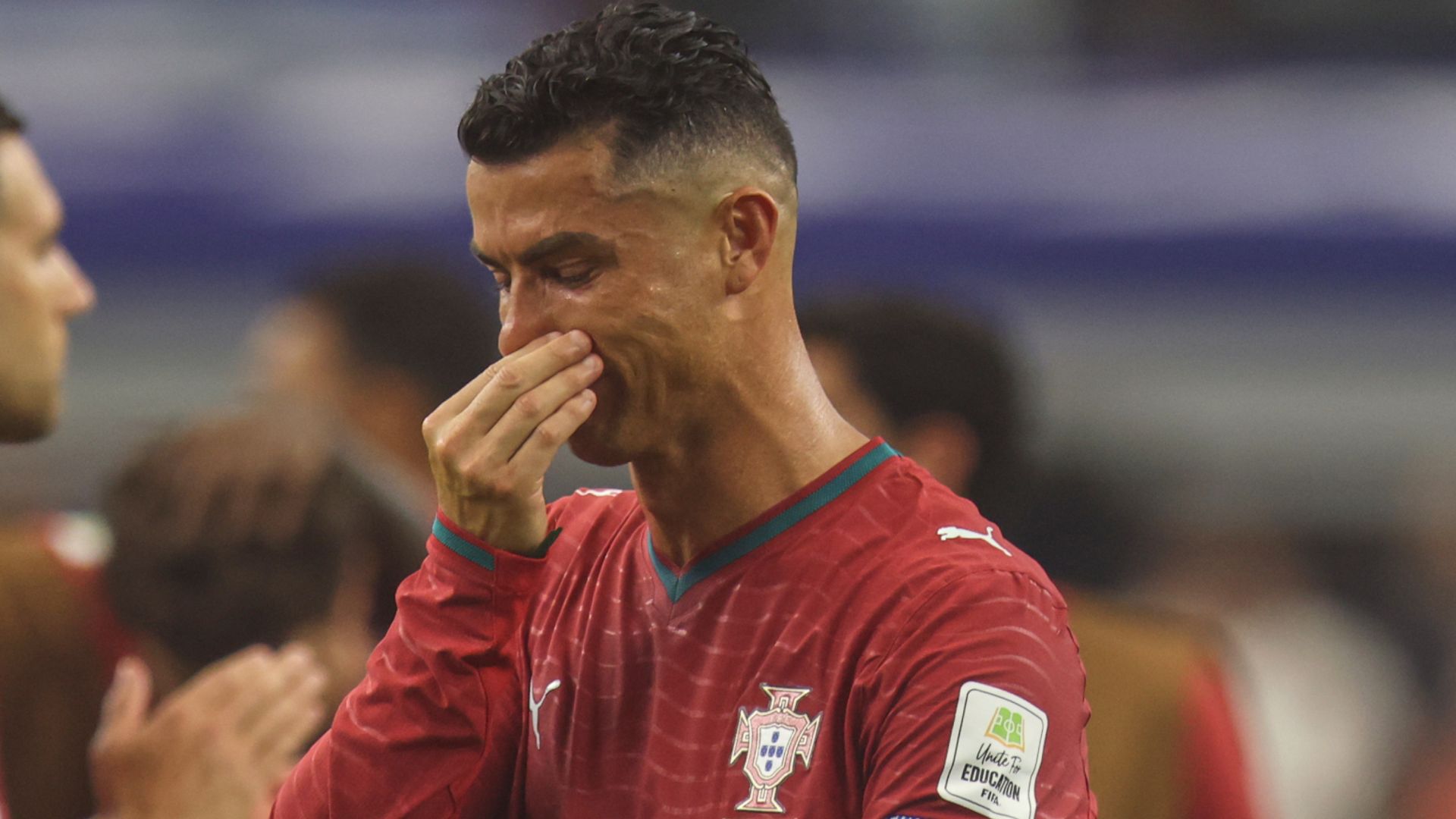
Image: courtesy of Sky sports
Cristiano Ronaldo's Post-World Cup Crossroads: Portugal's Icon Weighs His Next Move
Cristiano Ronaldo, having just concluded his final FIFA World Cup campaign in 2026, has stated he will take time to reflect and consult his family before announcing his future with the Portugal national team. Portugal exited the tournament in the Round-of-16, with Ronaldo contributing three goals. This decision marks a pivotal moment for both the legendary forward and the national squad as it looks towards the next European Championship and beyond.
Outlook
Background
Cristiano Ronaldo, at 41 years old, has just completed his fifth and final World Cup appearance for Portugal. The team's journey ended in the Round-of-16, a result that, while not a deep run, saw Ronaldo still contributing significantly with three goals across the tournament. His presence on the squad has been a defining feature of Portuguese football for two decades, marked by a European Championship title in 2016 and a UEFA Nations League victory in 2019.
His current club career at Al Nassr in Saudi Arabia allows for a less physically demanding schedule compared to top European leagues, potentially extending his playing career. However, the intensity of international football, particularly major tournament qualifiers, presents a different challenge. The Portugal squad itself is in a transitional phase, featuring a blend of experienced players and emerging young talent who have increasingly taken on prominent roles. This dynamic creates a complex backdrop for Ronaldo's decision, balancing his personal ambition and desire to compete with the team's evolution and future needs. His statement today emphasizes a deliberate approach, moving away from 'spur of the moment' decisions, indicating a deep personal process is underway.
Precedents
The retirement of legendary footballers from international duty often follows a similar pattern: a major tournament, a period of reflection, and then an announcement. Players like Zinedine Zidane, after the 2006 World Cup, or Philipp Lahm, post-2014 World Cup, exemplify this. Both chose to step away after significant, high-stakes tournaments, allowing them to end their international careers on their own terms, often to prolong their club careers or focus on family.
However, there are also precedents for players continuing beyond what many might consider their 'peak' or a natural endpoint. Gianluigi Buffon, for example, extended his international career with Italy well into his late 30s, even after disappointing tournament exits. Lionel Messi famously retired from Argentina once before returning, highlighting the emotional weight of national team commitments. Ronaldo himself has consistently defied expectations regarding his longevity, making him an outlier in many respects. His continued elite physical condition and goal-scoring prowess, even at 41, complicate a straightforward comparison to past retirements. The sheer volume of his international caps and goals also means his departure, whenever it comes, will leave a void unmatched by most historical figures.
Cristiano Ronaldo's decision holds substantial weight, extending far beyond a simple player retirement. For Portugal, it marks the definitive end of an era, whenever his final match does come. His absence would force a complete reimagining of the national team's attack and leadership structure, accelerating the transition to a new generation of talent. This could be either a challenge or an opportunity, depending on how the coaching staff and remaining players adapt.
For Ronaldo personally, it's about legacy. Having confirmed this was his final World Cup, the question becomes whether he wants to continue adding to his record-breaking international goal tally and potentially aim for another European Championship, or if he feels his work is done at the highest international level. His decision will influence sponsorship deals, media narratives, and fan engagement for years to come. The commercial impact alone of a player with his global reach stepping away from international football would be significant, shifting attention and marketing efforts within the sport. Furthermore, his choice will serve as a benchmark for other aging superstars, demonstrating whether it's possible to sustain international performance deep into one's fourth decade.
Scenarios
AnalysisThere are primarily two broad paths Cristiano Ronaldo could take regarding his Portugal future, each with distinct implications:
1. Retirement from International Football:
One likely outcome is that Ronaldo announces his full retirement from international duty. Given that the 2026 World Cup was confirmed as his last, this would be a natural conclusion. The reasoning would likely center on the physical demands of playing for both club and country, allowing him to extend his club career at Al Nassr and spend more time with his family. This decision would free up a significant leadership role and attacking spot in the Portugal squad, accelerating the development of younger players like Rafael Leão, João Félix, and Gonçalo Ramos. It would allow the national team to fully embrace a post-Ronaldo tactical identity, potentially leading to a more fluid, less centralized attacking style. The initial impact might be a dip in global media attention for Portugal, but it would also foster a new sense of collective responsibility within the squad.
2. Continued Participation in Select Competitions:
A second, more nuanced possibility is that Ronaldo chooses to continue playing for Portugal, but perhaps on a more selective basis. He could opt to participate in the qualifying rounds for Euro 2028, aiming for one final major tournament appearance, while potentially skipping less critical friendly matches. His goal-scoring record and competitive drive remain strong, as evidenced by his three goals in the recent World Cup. This option would allow him to further cement his legacy as the all-time leading international goal scorer and potentially add another major trophy to his collection. For Portugal, his continued presence would provide invaluable experience, leadership, and a proven goal threat, especially during crucial qualification matches. However, it would also mean the ongoing challenge of integrating an aging superstar into a team increasingly built around younger talent, potentially delaying a full tactical evolution and creating selection dilemmas for the national team coach.
Timeline
2026-07-07
Ronaldo Confirms Post-World Cup Decision
Cristiano Ronaldo states he will not make 'rash decisions' about his Portugal future and will consult his family after the 2026 FIFA World Cup.
2026-06-29
Portugal Exits World Cup Round-of-16
Portugal is eliminated from the 2026 FIFA World Cup after reaching the Round-of-16. Ronaldo scored in the match against Croatia.
2026-06-20
Ronaldo Confirms Final World Cup
Cristiano Ronaldo confirms that the 2026 FIFA World Cup will be his last appearance in the tournament.
2026-03-31
International Friendly vs. USA
Portugal defeats the United States 2-0 in an international friendly match.
2025-11-16
World Cup Qualifier vs. Armenia
Portugal secures a dominant 9-1 victory over Armenia in a FIFA World Cup Qualifying match.
Frequently Asked Questions
No, Cristiano Ronaldo has not yet announced his retirement from international football as of July 7, 2026. He confirmed the 2026 World Cup was his last, but explicitly stated he would take time to reflect and discuss with his family before making any decisions about his future with the Portugal national team.
Discussion
Be the first to share your thoughts.