
Veridact
TechSportsFinanceGaming🎯 Predictions⭐ OpportunitiesAbout
Sign InSign Up
Veridact

Analysis before the headline. Veridact examines technology, finance, sports, and gaming events before they unfold through forecasting, probability modeling, historical precedent, and public prediction tracking.

Stay ahead of what's next

Forecasts, analysis, and prediction updates delivered to your inbox.

Coverage

  • Tech
  • Sports
  • Finance
  • Gaming

Company

  • About Us
  • Privacy Policy

© 2026 Veridact. Forecasting & analysis platform.

Content may include AI-assisted research and analysis. Predictions and opinions should not be considered financial, legal, medical, or investment advice.

sports
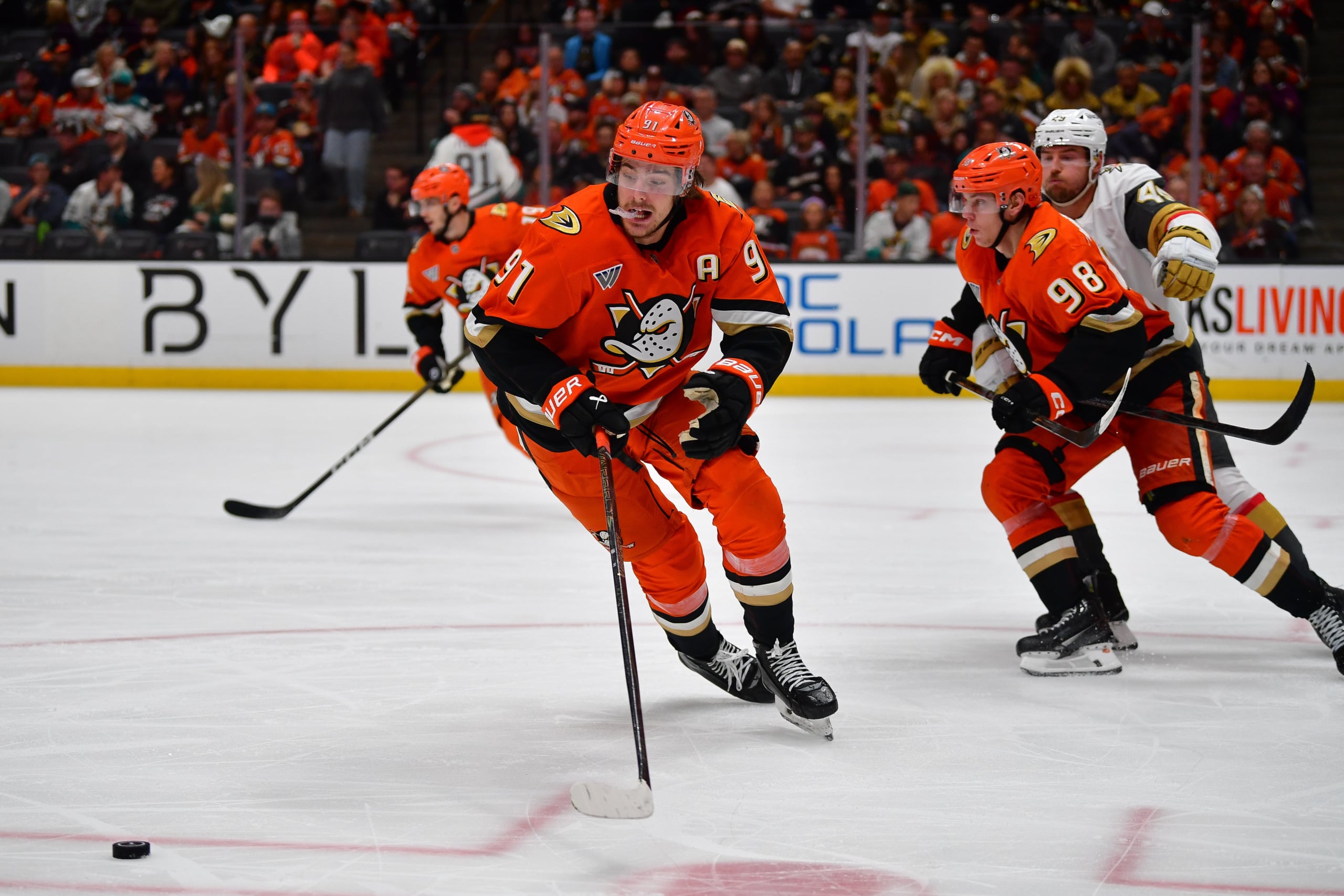
Morning Rumble: Hurricanes Unusually Quiet; Ducks Getting Mugged; Bedard Injured in Practice

Image: courtesy of Sportsnaut

sportsJuly 5, 2026By Veridact EditorialUpdated Jul 5

Bedard's Injury and Hurricanes' Quiet Offseason: Unpacking the Early NHL Season Shifts

The early summer of 2026 has brought a mix of unexpected developments across the National Hockey League, notably the Chicago Blackhawks' star forward Connor Bedard suffering an upper-body injury that will sideline him until January, and the Carolina Hurricanes maintaining an unusually low profile during what is typically the busiest period of free agency. These events, alongside the Anaheim Ducks' continued struggles, paint a complex picture of team strategies, player development challenges, and the shifting dynamics of the league. While Bedard's absence forces the Blackhawks to re-evaluate their immediate competitive outlook, the Hurricanes' calculated silence suggests a deeper strategic play in a market often driven by high-profile moves.

Outlook

The immediate consequence of Connor Bedard's injury is a significant shift in the Chicago Blackhawks' offensive strategy and overall team morale. With their foundational player out until January, the Blackhawks will need to rely heavily on their depth players and adjust their offensive systems to compensate for the lost production. This period will test the resilience of the young roster and provide an extended opportunity for other players to step into more prominent roles. For Bedard himself, the recovery process will be critical, especially given a previous shoulder injury that sidelined him last season. His return will be highly anticipated, but the team's performance without him will shape expectations for the remainder of the 2026-2027 season.

Meanwhile, the Carolina Hurricanes' quiet approach to free agency, despite being expected to be active, indicates a deliberate strategy. This suggests they are either confident in their existing roster, pursuing specific trade targets that have yet to materialize, or waiting for the market to cool to acquire players at a more favorable value. This restraint could also imply a focus on internal development or a long-term cap management plan. The coming weeks may reveal whether this quiet period is a prelude to a significant move or a sign of a more conservative, patient team-building philosophy. For the Anaheim Ducks, their continued struggles, evidenced by the recent loss to the Blackhawks where they squandered a significant lead, point to ongoing challenges in their rebuild. Expect continued scrutiny on their coaching staff and roster composition as they search for consistent performance.

Background

Connor Bedard, the highly touted center for the Chicago Blackhawks, sustained an upper-body injury during a practice session and has been placed on injured reserve, with a projected return in January 2027. This development follows a period last season where Bedard missed 13 games due to a shoulder injury, raising concerns about his long-term durability. His coach, Jeff Blashill, confirmed that while no immediate operation is scheduled, surgery remains a possibility depending on his recovery progress. This injury comes shortly after Bedard played a pivotal role in a Blackhawks comeback win against the Anaheim Ducks, scoring two crucial goals in the third period to help erase a 3-0 deficit and snap a five-game losing streak for Chicago. That game highlighted Bedard's immediate impact and the Blackhawks' reliance on his offensive prowess.

Simultaneously, the Carolina Hurricanes, a team often in contention, have maintained an unusually low profile during the initial phase of the NHL free agency period. This silence contrasts with expectations of an active offseason, particularly given the general anticipation for a bustling market. The broader context of an unusually quiet 2026 Atlantic hurricane season, attributed to an El Niño weather pattern, serves as a natural, if coincidental, metaphor for the Hurricanes' current strategic calm. This quietness from a typically aggressive team signals a potential shift in their market approach or a calculated waiting game. The Anaheim Ducks, on the other hand, continue to grapple with consistency, as their collapse against the Blackhawks underscores the challenges facing a team deep in a rebuilding phase.

Precedents

The history of the NHL is replete with examples of star players facing significant injuries early in their careers, often forcing teams to adapt and test their organizational depth. From Mario Lemieux's early career back issues to Sidney Crosby's concussion struggles, these setbacks often become defining moments, shaping both player development and team trajectory. Teams that successfully navigate such periods often emerge stronger, having developed a more robust supporting cast. The Blackhawks, having gone through previous rebuilds, understand the delicate balance between nurturing young talent and maintaining competitive drive. A previous shoulder injury for Bedard last season, which saw him miss 13 games, adds a layer of concern, as recurring issues can impact a player's long-term style and effectiveness. The question now becomes how the Blackhawks will manage his recovery and reintegration to prevent further complications.

Conversely, a quiet free agency from a perennial contender like the Carolina Hurricanes is not entirely without precedent. Teams sometimes opt for a more restrained approach, either due to salary cap constraints, a belief in their existing core, or a strategy to target players via trade rather than open market bidding. The Tampa Bay Lightning, for instance, have often used strategic cap management and shrewd trades to build and maintain their dynasty, rather than always making splashy free agent signings. This approach can be risky if key needs are not addressed, but it can also be a sign of a well-managed organization with a clear long-term vision. The analogy to a quiet hurricane season, influenced by El Niño, highlights how broader environmental factors — whether atmospheric or economic — can dictate activity levels, often leading to a period of calm before a potential surge of activity later in the season or through alternative channels.

Connor Bedard's injury carries significant weight, not just for the Chicago Blackhawks, but for the entire NHL. As one of the league's most marketable young stars, his absence impacts fan engagement, broadcast viewership, and the overall narrative surrounding the Blackhawks' rebuild. For the Blackhawks, it means a substantial loss of offensive firepower and a critical setback in the development of their cornerstone player. This forces the team to rely on other prospects and veterans, potentially accelerating the development of some while exposing weaknesses in others. The long-term implications for Bedard himself are also considerable; managing a recurring shoulder issue at such a young age could influence his playing style, training regimen, and overall career longevity. His recovery will be closely watched by medical staff and general managers across the league, as it offers insights into managing high-value athletic talent.

The Hurricanes' quiet free agency, on the other hand, matters because it challenges the conventional wisdom of how successful teams operate in the modern NHL. In an era where teams often make aggressive moves to acquire talent, Carolina's restraint could signal a deeper, more calculated strategy. This could mean they are prioritizing financial flexibility for future moves, banking on internal growth, or patiently waiting for trade opportunities. If their strategy pays off, it could influence how other teams approach free agency, emphasizing long-term stability over immediate gratification. If it falters, it could leave them vulnerable in a highly competitive Eastern Conference. These contrasting approaches – one forced by injury, the other chosen by design – highlight the diverse paths NHL franchises take to build and sustain success, each with its own set of risks and rewards.

Scenarios

Analysis

1. Blackhawks' Resilience and Bedard's Measured Return: The Blackhawks could use Bedard's absence as an opportunity for other young players to step up and gain valuable experience in more prominent roles. This forced depth development might forge a more resilient and balanced team by the time Bedard returns in January. His return, carefully managed by the medical staff, could see him re-integrate slowly, focusing on long-term health rather than immediate scoring bursts. This scenario would allow Bedard to fully recover without pressure, potentially minimizing the risk of re-injury and ensuring his sustained impact for years to come. The Blackhawks' overall record might suffer in the interim, but the long-term benefit of a deeper roster and a fully healthy star could outweigh the short-term struggles.

2. Hurricanes' Strategic Strike or Missed Opportunity: The Hurricanes' quiet period could be the calm before a strategic storm. They might be conserving cap space or waiting for a specific trade target to become available, potentially acquiring a high-impact player later in the offseason or closer to the trade deadline. This patient approach could yield a significant return, allowing them to bolster their roster with a piece that perfectly fits their system, rather than overpaying in a competitive free agency market. However, there is also the risk that this restraint could lead to missed opportunities, leaving them unable to address key roster needs if desirable targets are signed elsewhere or if trade partners prove unwilling. Such an outcome might force them to rely too heavily on their existing roster, potentially leading to underperformance if injuries or slumps occur.

3. Ducks' Continued Struggle and Rebuild Reset: The Anaheim Ducks' ongoing difficulties, highlighted by their collapse against Chicago, suggest that their rebuild is still far from complete. This performance could lead to a deeper re-evaluation of their coaching staff and player personnel. One possible outcome is that management may choose to make further significant roster changes, potentially moving veteran players for additional draft picks or young prospects to fully commit to a longer-term rebuild. This could also involve a coaching change if the team continues to demonstrate a lack of consistency and competitive drive. The focus would shift from immediate improvement to solidifying the foundational pieces for a future competitive window, accepting short-term losses for long-term gains.

Timeline

2026-07-01
Connor Bedard Placed on Injured Reserve
Chicago Blackhawks star Connor Bedard was officially placed on injured reserve on Monday following an upper-body injury sustained in practice.
2026-07-02
Bedard Scores Twice in Blackhawks Comeback
Connor Bedard scored two goals in the third period, helping the Chicago Blackhawks rally from a 3-0 deficit to defeat the Anaheim Ducks, breaking a five-game losing streak. This occurred before his injury was widely reported as season-altering.
2026-07-03
Bedard Injury Details Emerge
Reports from The Athletic and Sportsnet.ca confirm Connor Bedard sustained an upper-body injury in offseason training, with coach Jeff Blashill stating he is out until January and no immediate operation is planned, but left open as a future possibility.
2026-07-04
Hurricanes' Quiet Free Agency Noted
Yahoo Sports reports the Carolina Hurricanes have been unusually quiet during the peak free agency period, contrasting with expectations for an active offseason. This coincides with an unusually quiet Atlantic hurricane season due to El Niño.

Frequently Asked Questions

Connor Bedard suffered an upper-body injury during a practice session. While specific details were not provided by coach Jeff Blashill, previous reporting from The Athletic mentioned a potential left shoulder issue, and Bedard had a shoulder injury last season.

Discussion

0/100
0/1000

Be the first to share your thoughts.

Related Coverage

sports

The Mets' Lindor Dilemma: Why a Yankees Trade Is More Complicated Than Rumors Suggest

Jul 8
sports

Manchester City Closes Record £116 Million Deal for Elliot Anderson, Reshaping Premier League Transfer Market

Jul 8
sports

Cristiano Ronaldo's Post-World Cup Crossroads: Portugal's Icon Weighs His Next Move

Jul 7
sports

Why The Houston Texans Still Need A 'Dangerous' All-Pro Like Deebo Samuel, Even After A Busy Offseason

Jul 6

Stay ahead of the story

AI analysis delivered before events unfold. No spam.

ⓘ

Methodology: Veridact combines public data, historical precedent, and analytical models to evaluate the likelihood of future outcomes.