
Expect a logistical nightmare for security teams as the Secret Service and local law enforcement attempt to manage a venue that is notoriously difficult to secure. The atmosphere inside the arena will likely be suffocatingly loud, with ticket prices already rivaling Super Bowl-level costs. Coaches will face the unique challenge of maintaining locker room focus while the media circus surrounding a potential presidential visit threatens to turn the series into a spectacle. Fans should anticipate a massive influx of national media, turning every dribble into a potential political talking point. The sheer weight of expectation on this Knicks roster is unprecedented, as they carry the hopes of a city that hasn't seen a title since the late 90s.
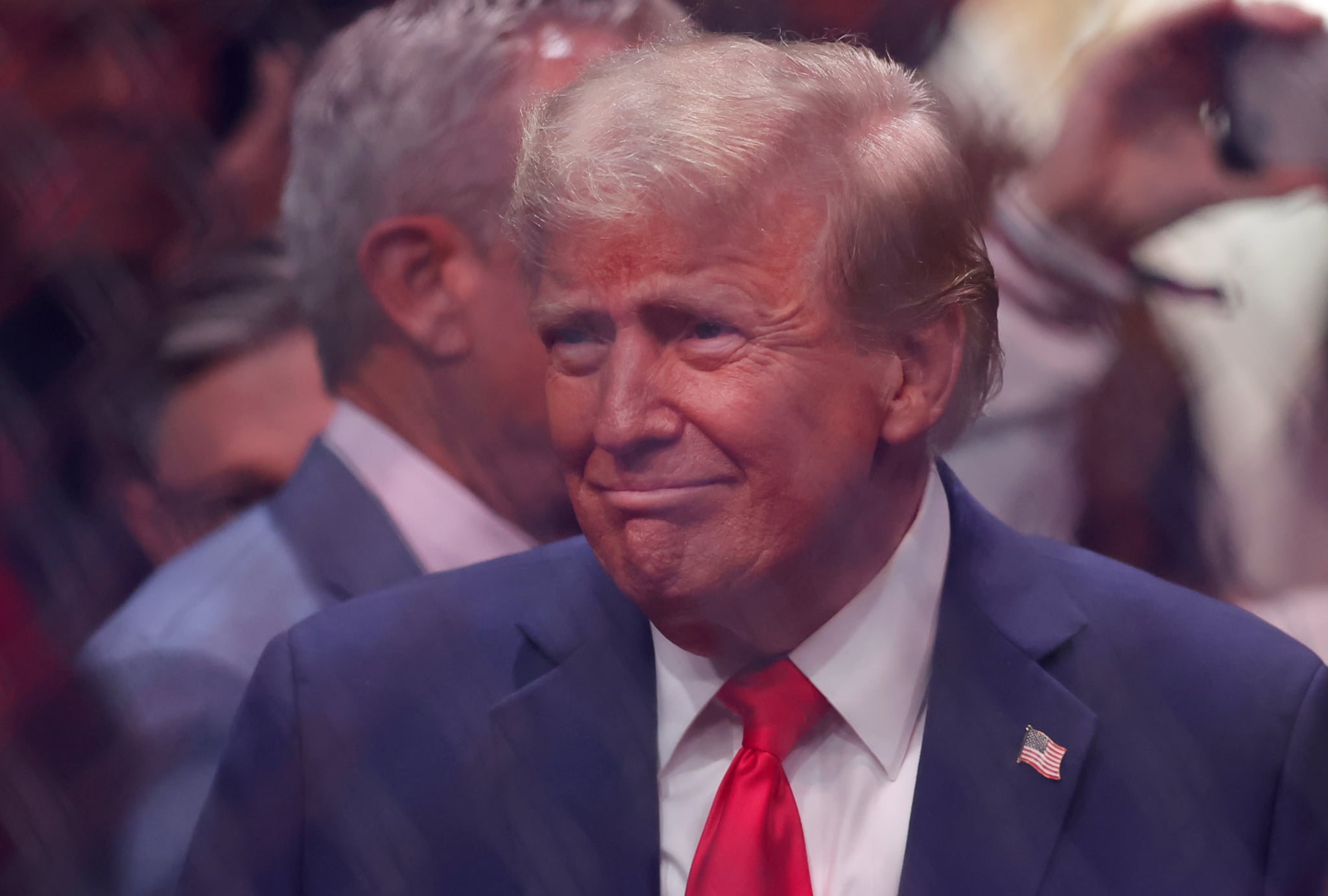
Image: courtesy of Sportsnaut
The Garden’s Political Fever: Why a Knicks Finals Run is Reshaping the National Stage
The New York Knicks have returned to the NBA Finals for the first time in 25 years, turning Madison Square Garden into the absolute epicenter of American culture. The situation has become so intense that high-level political figures, including Donald Trump, are reportedly eyeing courtside seats, effectively merging the high-stakes world of professional basketball with the volatile arena of national politics.
Outlook
Background
The Knicks are no longer just a basketball team; they are the premier asset of the most profitable venue in the world. James Dolan’s organization has successfully shifted its brand from a perennial laughingstock to a gritty, defensive-minded juggernaut. This pivot has paid off in massive spikes for local tax revenue and merchandise sales, though it leaves the team vulnerable to the 'New York Tax'—the intense, unforgiving scrutiny of a city that demands success. The current roster faces pressure that would break a lesser squad, and the interplay between the team's management and the fanbase remains a delicate, high-tension wire.
Precedents
New York sports history is littered with teams that became lightning rods for the city's collective mood during turbulent times. The 1994 Knicks run provided a rare sense of unity during a period of urban instability, much like the 1986 Mets defined a generation of regional pride. The critical difference today lies in the digital ecosystem; a politician's presence isn't just a photo op, it is a viral event that will be dissected by millions in real-time. We have seen this crossover before, but the modern media landscape ensures that any political figure entering the Garden will be forced to compete with the players for the headline.
The intersection of elite sports and political theater in New York provides a rare window into how power is signaled in the modern era. When a figure like Donald Trump considers attending, it is an acknowledgment that the Knicks have reclaimed their position as the heartbeat of the media capital of the world. For the league, this is a massive win for visibility, but it introduces a level of friction that threatens to distract from the sport itself. The outcome of this series will serve as a definitive statement on whether this organization has truly stabilized or if it remains a volatile entity subject to the massive, shifting winds of New York’s public opinion.
Scenarios
Analysis1. The Coronation: A championship win triggers a city-wide celebration that cements this roster as legends, providing a massive economic and psychological boost to the region. 2. The High-Profile Heartbreak: A loss in the series leads to an immediate, brutal autopsy of the coaching staff and front office, with any attending politicians potentially blamed for 'cursing' the team. 3. The Political Proxy War: The series becomes a battleground for national discourse, where the optics of the VIP attendance overshadow the actual game, leading to protests or media boycotts.
Timeline
Pre-Series
Logistical Mobilization
Security protocols are finalized at Madison Square Garden to accommodate potential high-profile guests, while ticket prices on the secondary market reach record highs.
Game 1-2
The Opening Tip
The national media spotlight intensifies as the first games serve as a barometer for both the team’s performance and the political optics surrounding the attendance.
Series Conclusion
The Final Verdict
The championship outcome determines whether the city experiences a historic celebration or a period of intense organizational soul-searching.
Frequently Asked Questions
Madison Square Garden is the media capital of the world; for a politician, sitting courtside is a high-visibility endorsement of relevance that reaches a massive, captive audience.
Discussion
Be the first to share your thoughts.