
Expect a period of sustained dominance where PSG operates with an institutional maturity previously unseen at the Parc des Princes. The current squad, built on high-frequency ball recovery and a decentralized attacking threat, is designed to withstand the pressure of deep knockout runs rather than relying on individual moments of magic. The days of the club being a 'circus' are over; in their place stands a machine that treats every match, regardless of the opponent, with the same cold, analytical intensity. This is no longer a team that panics when trailing, but one that systematically recalibrates its approach to dismantle opponents. The focus has shifted from the pursuit of marketing icons to the acquisition of functional, disciplined athletes who prioritize the collective over the personal. This shift in operational DNA is the defining factor that will likely see them remain the prohibitive favorites in European football for the foreseeable future.
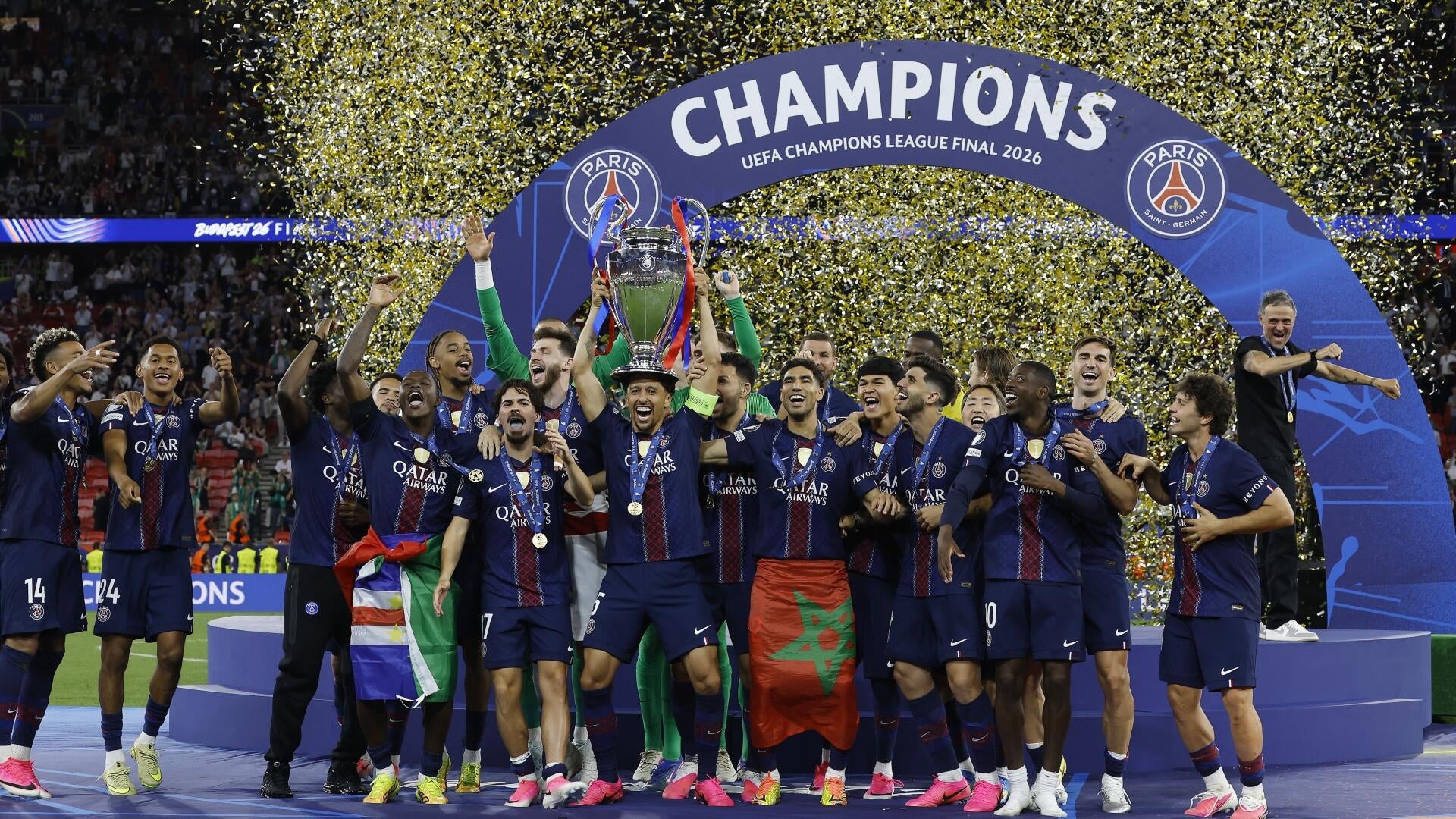
Image: courtesy of Cbs Sports
The New Order: How PSG Transformed from a Vanity Project into a European Dynasty
Paris Saint-Germain has shed its reputation as a dysfunctional collection of superstars to emerge as the continent's most clinical, system-driven powerhouse. By abandoning the 'Galactico' recruitment model in favor of tactical cohesion and psychological resilience, the club has fundamentally rewritten its identity, securing a Champions League title that signals the birth of a genuine European dynasty.
Outlook
Background
The transformation was not accidental but the result of a deliberate, painful pivot in the front office. For years, the club suffered under the weight of expectations that were mismatched with their internal culture; they were a collection of expensive parts that refused to function as a cohesive engine. The turning point arrived when the ownership group and sporting directors finally accepted that winning the Champions League required a multi-year patience window rather than a single summer of record-breaking spending. They prioritized tactical versatility and age profiles over shirt sales, effectively removing the pressure to accommodate egos that refused to track back. This allowed the coaching staff to implement a high-press system that suffocates opponents, a change that required a total overhaul of the club's recruitment philosophy and wage structure. By redistributing funds away from a few astronomical earners to a deeper, more balanced squad, they ensured that rotation no longer results in a drop-off in quality.
See also
Precedents
The historical trajectory of this PSG side mirrors the evolution of the late 1990s Real Madrid, a club that had to purge its internal culture of inconsistency before it could claim its place in history. Like their predecessors, PSG had to dismantle their own mythology of fragility—the 'bottling' narrative that plagued them for a decade—to reach the summit. While many analysts draw comparisons to the Manchester City of the early 2020s, the comparison to Madrid is more apt because it highlights the psychological labor required to win the big one. PSG has achieved in a highly compressed window what usually takes organizations decades to master: the transition from a group of talented individuals to a disciplined, high-frequency unit. This evolution proves that systemic discipline can eventually overcome even the most deeply ingrained institutional habits, provided the leadership is willing to stay the course through the inevitable failures of the early transition phase.
This shift matters because it effectively kills the 'PSG as a cautionary tale' narrative that dominated sports media for a decade. The club has proven that even the most brand-heavy, celebrity-driven organizations can successfully pivot to a system-oriented model if they are willing to prioritize long-term structure over short-term spectacle. By doing so, they have provided a blueprint for every other club with deep pockets but shallow success, forcing a continental re-evaluation of how talent should be scouted and managed. The success of this model puts immense pressure on other directors of football to justify their own high-profile signings, as the argument that 'stars win trophies' has been mathematically dismantled by PSG’s transition metrics. Ultimately, this represents a fundamental change in the power dynamics of European football, as PSG has shown that a disciplined, internally consistent culture can disrupt the traditional hegemony of legacy clubs.
Scenarios
Analysis1. A three-to-four-year period of total European dominance where PSG’s psychological edge allows them to bully opponents, attracting even higher-caliber talent who seek a winning environment rather than just a payday. 2. A period of stagnation caused by internal complacency, where the club fails to refresh its tactical approach and succumbs to the very decay it worked so hard to avoid. 3. A significant regulatory collision, where PSG becomes the focal point for renewed efforts by rival leagues to enforce stricter financial controls, forcing the club to navigate a hostile political environment while trying to maintain their competitive advantage.
Timeline
Frequently Asked Questions
Discussion
Be the first to share your thoughts.