
Expect a period of agonizing indecision within the front office as they weigh the cost of selling low against the bleak reality of a failing roster. The market for aging veterans has shifted, with league-wide emphasis moving toward cost-controlled, younger talent, leaving the Mets with few suitors. Management must now determine if they are willing to subsidize other teams' payrolls just to offload underperforming stars. If they refuse to eat these costs, they risk staying locked into a cycle of mediocrity for the remainder of the season. The atmosphere in the front office is reportedly tense as the reality of a lost season sets in.
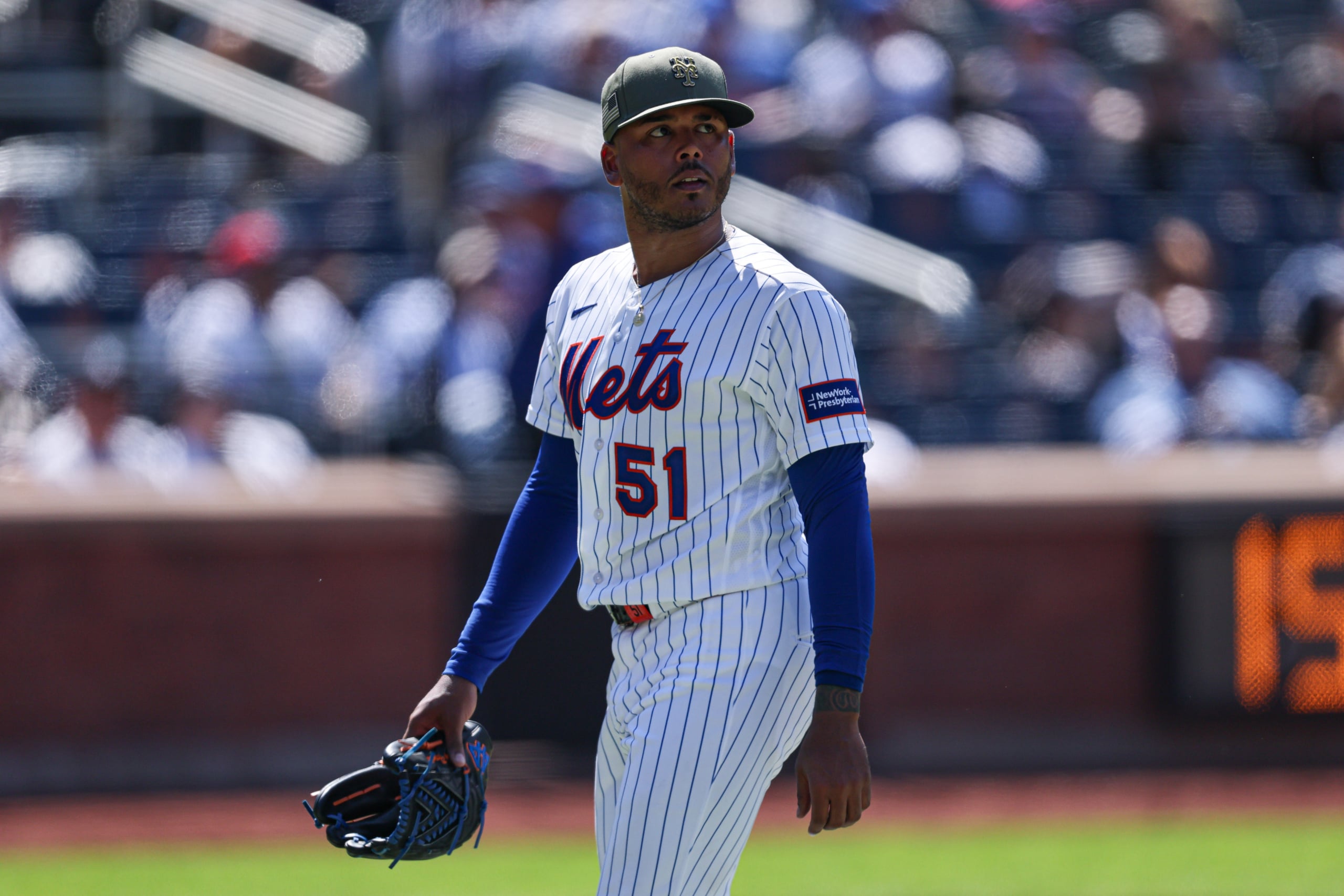
Image: courtesy of Sportsnaut
The Mets’ Trade Deadline Dilemma: Why a Fire Sale Might Be Impossible
The New York Mets are trapped in a high-stakes standoff as the trade deadline approaches, with internal signals suggesting that the team’s veteran assets have lost their market value. Despite a massive payroll, the front office faces a 'value desert' where moving players for prospects seems increasingly unlikely without absorbing massive financial losses.
Outlook
Background
The Mets’ current roster is a collection of high-priced talent that has failed to translate into wins on the field. This issue is compounded by a league-wide trend where data-driven organizations are prioritizing efficiency over big-name veterans. Because the Mets’ core players are underperforming, their trade value is at an all-time low, creating a fundamental mismatch between the team’s expectations and the market’s reality. The front office is essentially holding assets that have become toxic in a modern, cost-conscious landscape. This is not just a temporary slump but a failure of the bridge-to-contention strategy that the team implemented two years ago.
Precedents
The Mets are currently echoing the mistakes of the 2021 Chicago Cubs and the 2017-2018 Detroit Tigers, both of which clung to veteran cores far past their expiration dates. By waiting until the last possible moment to initiate a pivot, these franchises were forced into fire sales that yielded minimal returns and extended their rebuilding phases. The 'sunk cost fallacy' is the primary culprit here, as the organization struggles to admit that their premium investments have not paid off. History proves that teams that wait for a miracle run often end up with neither a playoff spot nor a replenished farm system. Swift, painful action is almost always more beneficial than a slow, agonizing decline.
The Mets serve as the ultimate litmus test for the 'spend-to-win' business model in Major League Baseball. If an organization with the deepest pockets in the sport cannot navigate a rebuild, it signals a major shift in how the league operates. This situation will likely influence future free-agent spending across the entire industry, as other owners monitor whether Steve Cohen’s capital can actually solve a lack of on-field production. The outcome of this summer will help define the franchise’s identity for the next half-decade. If the Mets falter, it provides ammunition for owners to justify lower payrolls and a heavier reliance on home-grown talent over high-profile acquisitions.
Scenarios
Analysis1. The Aggressive Pivot: Management decides to eat significant portions of veteran contracts to secure high-quality prospects, signaling a genuine, long-term commitment to a rebuild. 2. The Stagnant Hold: The front office chooses to stand pat, betting on a second-half surge that is statistically unlikely, effectively punting the season and wasting another year of potential development. 3. The Strategic Re-tooling: The Mets move one or two high-value assets while retaining the bulk of the roster, a half-measure that avoids a full rebuild but fails to provide the transformative change needed to compete for a championship.
Timeline
Mid-June
The Assessment Threshold
Front office internal reviews reach a breaking point as the team’s record fails to improve, forcing a decision on whether to buy or sell.
Late-June
Market Testing
The Mets begin informal discussions with other clubs to gauge the actual demand for their highest-paid veterans.
July 31
The Trade Deadline
The final opportunity for the Mets to offload assets before the waiver trade window closes, likely dictating the team’s direction for 2027.
Frequently Asked Questions
The current market is heavily skewed toward younger, cost-controlled players. Because the Mets' veterans are aging and underperforming, other teams are unwilling to trade their best prospects for them without the Mets agreeing to pay a large portion of the remaining salary.
Discussion
Be the first to share your thoughts.