
Veridact
TechSportsFinanceGaming🎯 PredictionsAbout
Sign InSign Up
Veridact

AI-powered anticipation analysis. We cover tech, sports, finance, and gaming events before they happen — with historical context, scenario modeling, and evolving coverage.

Stay ahead of the story

Analysis delivered before events unfold.

Coverage

  • Tech
  • Sports
  • Finance
  • Gaming

Company

  • About Us
  • Privacy Policy

© 2026 Veridact. AI-assisted analysis platform.

Analysis is AI-generated and not professional financial, legal, or medical advice.

Sports
NASCAR Silly Season: Potential Michael McDowell Replacements for Spire Emerge

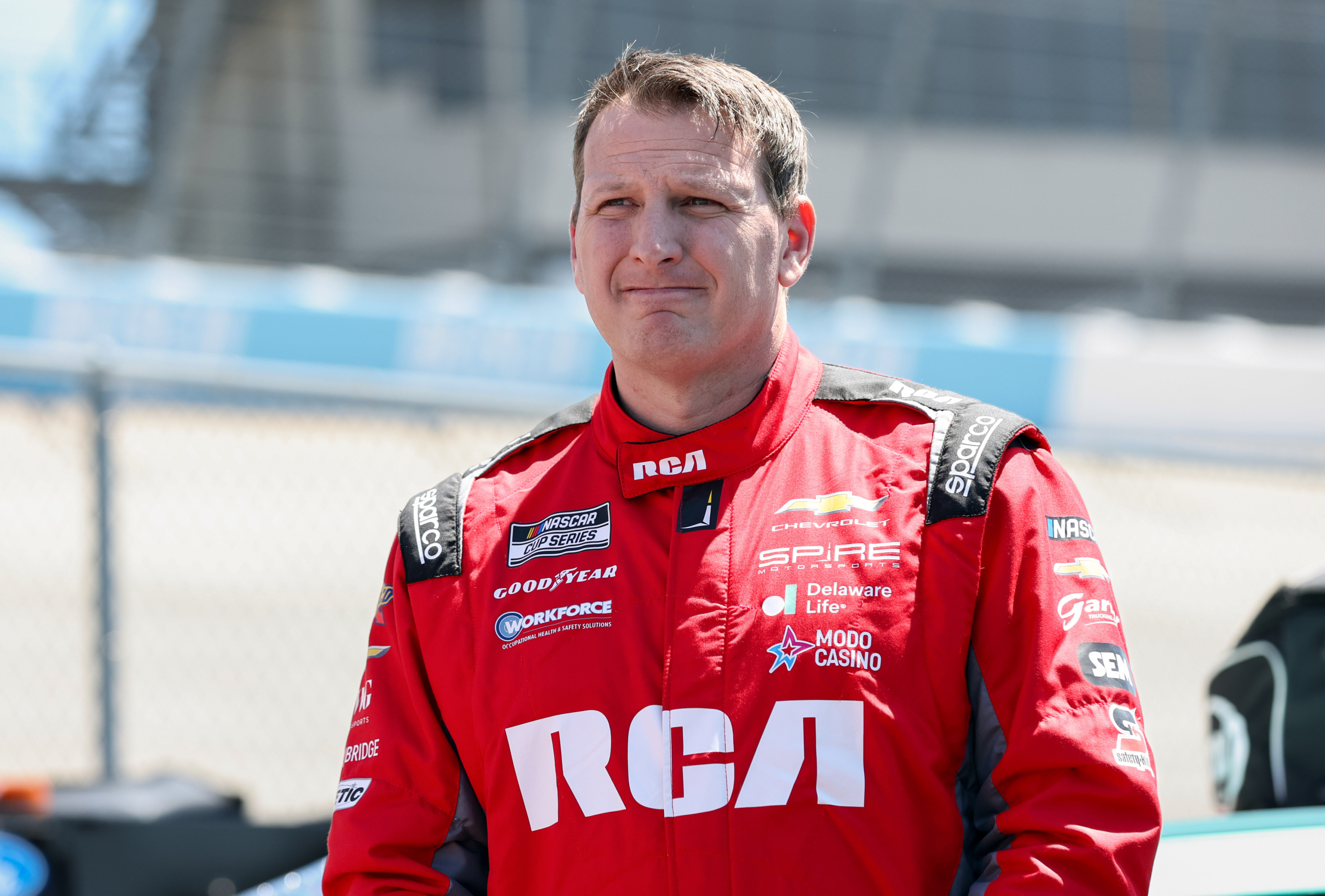
Image: courtesy of Sportsnaut

sportsJune 6, 2026By Veridact EditorialUpdated Jun 6

The Youth Bottleneck: Why Spire Motorsports Is Ready to Pivot From Its Veteran Anchor

As NASCAR's mid-season silly season intensifies, Spire Motorsports finds itself at a critical strategic crossroads. The organization must decide whether to retain the stabilizing veteran presence of Michael McDowell or clear the runway for a generation of elite, manufacturer-backed prospects. This choice will define the team's trajectory as it transitions from an ambitious upstart into a genuine tier-one contender.

What to Expect

The decision confronting Spire Motorsports is not merely about driver talent; it is a complex calculation of capital allocation, manufacturer alliances, and long-term organizational identity. Michael McDowell was brought into the fold on a multi-year deal to provide a veteran baseline, bring institutional knowledge from Front Row Motorsports, and help legendary crew chief Rodney Childers establish a championship-caliber culture. Now, with the foundation laid, the market is flooded with high-upside prospects who enjoy immense backing from Chevrolet and key corporate partners.

Industry insiders expect Spire to face intense pressure from its technical partners to utilize its seats as a finishing school for the sport's next superstars. If the team decides to transition McDowell out of the driver's seat earlier than expected, it will trigger a domino effect across the garage, altering the career timelines of several top-tier prospects in the Xfinity and Truck Series. Conversely, sticking with veteran stability would signal that Spire is prioritizing immediate, consistent execution over the volatile development curves of younger drivers.

Key Context

To understand why this seat has suddenly become one of the most discussed properties in the Cup Series garage, one must look at Spire's rapid institutional evolution. For years, Spire operated on the margins of the garage, leasing charters and running rotating lineups of underfunded drivers. That business model changed dramatically with massive capital injections from Gainbridge and Group 1001, allowing the team to purchase charters at premium valuations, secure a tier-one engine and technical alliance with Hendrick Motorsports, and hire elite engineering staff.

McDowell's arrival was designed to accelerate this transition. At over forty years old, the veteran brought a rare combination of road-course precision, superspeedway mastery, and feedback maturity. Yet, the very success Spire has achieved in elevating its program has made its seats vastly more attractive to outside stakeholders. Chevrolet's developmental pipeline is currently facing an acute bottleneck, with elite talents ready for Cup Series exposure but blocked by established, championship-winning lineups at Hendrick Motorsports and Trackhouse Racing. Spire, with its top-tier equipment and close proximity to the Hendrick campus, is the logical pressure-release valve for this talent surplus.

Related Coverage

Fernando Tatis Jr. finally hits first home run of season: Why Padres star endured lengthy power drought→

Historical Patterns

NASCAR history is filled with mid-tier organizations that transformed themselves by serving as the primary developmental partner for a manufacturer's elite program. The most obvious historical parallel is Wood Brothers Racing, which has spent decades operating as a finishing school for Team Penske's top prospects, providing a soft landing spot for drivers like Ryan Blaney to learn the nuances of the Cup Series without the immediate pressure of a flagship ride. Similarly, Furniture Row Racing utilized a technical alliance with Joe Gibbs Racing to elevate its program, eventually winning a championship with Martin Truex Jr. before the financial realities of that alliance forced a restructuring.

Spire is attempting to execute a similar playbook but with a much larger capital base and a more aggressive timeline. The risk in this model is well-documented: developmental drivers bring high crash rates and inconsistent feedback, which can derail an engineering department's search for speed. This is why teams historically pair a young prospect with an established veteran. With Carson Hocevar and Justin Haley already representing the younger demographic in the Spire stable, removing McDowell would leave the organization without its veteran anchor, a move that historically carries significant operational risk.

The resolution of Spire's driver lineup is a bellwether for how the charter system and manufacturer alliances will govern driver employment. In an era where charter values are estimated to exceed forty million dollars, team owners can no longer afford to treat driver selection as an afterthought or a purely performance-based decision. Every seat must be optimized for sponsorship integration, manufacturer support, and long-term asset appreciation.

So why would an organization that spent millions to secure a proven, race-winning veteran suddenly look to pivot to an unproven prospect? The answer lies in the shifting economics of NASCAR's charter system and the bottleneck of manufacturer talent. Chevrolet and its key corporate partners are highly incentivized to keep their brightest prospects within the Bowtie camp. If Spire accommodates these developmental priorities, they secure preferential technical support, wind-tunnel time, and engine allocations from Hendrick Motorsports. If they resist, they risk being marginalized in the manufacturer hierarchy, proving that in modern stock car racing, the relationship with the manufacturer is often more influential than the driver holding the steering wheel.

Potential Outcomes

Analysis

The most logical path forward involves the acceleration of the Chevrolet developmental pipeline, specifically centering on Rajah Caruth. Caruth, who currently drives for Spire in the Craftsman Truck Series, has shown immense raw speed and carries the highly coveted backing of HendrickCars.com. Promoting Caruth to the Cup Series would solidify Spire's alignment with Rick Hendrick's organization, securing long-term sponsorship viability and cementing the team's status as Hendrick's preferred satellite operation.

Another highly plausible scenario is a blockbuster loan agreement with Trackhouse Racing for the services of Connor Zilisch. Trackhouse has signed Zilisch to a long-term contract but lacks an open Cup Series charter to house him in the near term. A multi-year loan to Spire would allow Zilisch to gain crucial Cup Series experience in competitive Chevrolet equipment, mirroring the arrangement that brought other prospects into the Cup garage. This would give Spire access to a generational talent without the long-term capital commitment of a permanent contract.

Alternatively, Spire may ultimately choose to honor the full duration of McDowell's contract, prioritizing engineering stability over developmental upside. With Rodney Childers demanding precise feedback to refine their intermediate track program, keeping a veteran of McDowell's caliber in the seat for another full season would allow the team's younger drivers to develop in a less pressured environment while ensuring the No. 71 car remains a consistent threat for playoff contention.

Timeline

2024-05-08
McDowell Signs Multi-Year Deal with Spire
Michael McDowell announces he will leave Front Row Motorsports to sign a multi-year contract with Spire Motorsports starting in 2025.
2024-07-03
Rodney Childers Named Crew Chief
Spire secures championship-winning crew chief Rodney Childers to lead McDowell's No. 71 team, signaling elite competitive ambitions.
2025-02-16
The New Era Debuts at Daytona
McDowell makes his official Cup Series debut for Spire Motorsports at the Daytona 500, establishing a baseline for the team's performance.
2026-06-05
Silly Season Rumors Intensify
Reports surface indicating that several high-profile Chevrolet development drivers are being positioned for potential Cup Series roles at Spire.

Frequently Asked Questions

NASCAR driver contracts frequently contain performance clauses, sponsor-related contingencies, or mutual exit options that allow teams and drivers to restructure their agreements if organizational priorities shift or manufacturer pressure intensifies.

Discussion

0/100
0/1000

Be the first to share your thoughts.

Related Coverage

sports

Four Trade Ideas That Could Decide the 2026 World Series

Jun 9
sports

Why UFC and Donald Trump Are Selling $250 T-Shirts to Fight Fans

Jun 9
sports

Sacramento Kings Prepare to Shop Core Assets in Bid to Break Western Conference Stagnation

Jun 8
sports

The Ballard Bottleneck: Why the Colts Resist the Offseason's Most Obvious Free Agent Fixes

Jun 8

Stay ahead of the story

AI analysis delivered before events unfold. No spam.

ⓘ

Disclosure: This article contains AI-assisted analysis based on publicly available information.