
Expect the next month to be a high-stakes test of whether this home run was a one-off mistake by an opposing pitcher or a genuine mechanical pivot for Tatis. The league will continue to test him with low-and-away breaking balls, forcing him to prove he has regained the discipline to lay off junk and hunt the pitches he can drive. If his ground-ball rate continues to dip, we should see his slugging percentage climb back toward elite territory, signaling that the 'bottleneck' has been cleared.
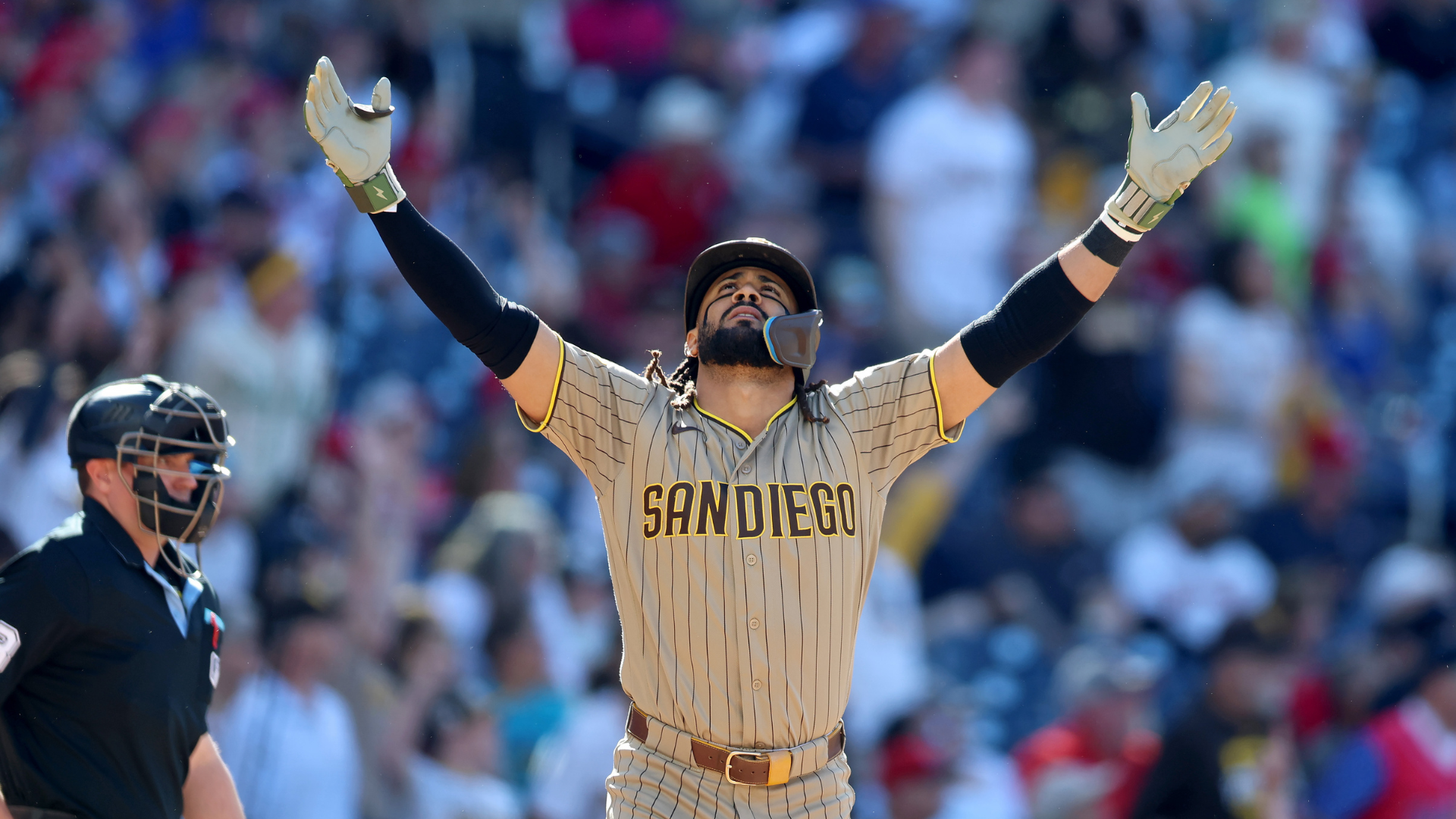
Image: courtesy of Cbs Sports
The Silence Ends: Fernando Tatis Jr. and the Anatomy of a Power Drought
After two months of mechanical frustration and ground-ball heavy offensive output, Fernando Tatis Jr. finally cleared the fences on May 30, 2026. This breakthrough was more than just a home run; it was the end of an agonizing period where one of baseball's most explosive talents appeared to have lost his rhythm, forcing the Padres to confront the vulnerability of their star-centric lineup.
Outlook
Background
Tatis entered the 2026 season carrying the weight of a massive, long-term franchise contract. His power drought was not due to a lack of raw bat speed or exit velocity—which remained in the 90th percentile—but rather a recurring issue with launch angle and pitch selection. Pitchers across the National League West effectively weaponized data, forcing him to chase pitches that resulted in high-velocity ground balls rather than his trademark high-arching drives.
Precedents
Baseball history is replete with elite hitters hitting 'dead zones' where their timing and mechanics drift out of sync. Similar to the mid-career slumps of players like Cody Bellinger or Giancarlo Stanton, Tatis’s struggles were largely about a loss of rhythm rather than a decline in ability. The difference in 2026 is the sheer density of scouting data, which allowed pitchers to exploit his tendency to pull off the ball and flatten his bat path with unprecedented precision.
This moment validates the Padres' massive capital allocation toward their core roster. When a marquee star stops producing extra-base hits, the entire offensive ecosystem of the team collapses, creating a ripple effect that impacts team morale, betting markets, and the front office’s long-term strategy. The home run functions as a necessary psychological reset for both the player and the organization, proving that the 'fear factor' Tatis provides is still a functional part of the Padres' competitive advantage.
Scenarios
Analysis1. The Calibration Point: Tatis uses this swing as a template for his mechanics, successfully normalizing his launch angle and finishing the season with 30+ home runs. 2. The Cat-and-Mouse Game: Pitchers refine their strategy to keep him off-balance, resulting in a volatile, inconsistent summer where Tatis struggles to maintain momentum. 3. The Physical Bottleneck: Despite the home run, lingering mechanical or physical issues prevent a sustained surge, forcing the Padres to re-evaluate their lineup construction and Tatis’s role in the batting order.
Timeline
April 2026
The Onset of the Slump
Tatis begins the season with a visible struggle to elevate the ball, seeing his ground-ball rate climb toward 50%.
May 15, 2026
Peak Pressure
Public and media speculation regarding Tatis's health and mechanics reaches a fever pitch as the power-less streak continues.
May 30, 2026
The Breakthrough
Tatis connects on a middle-in fastball for his first home run of the season, breaking a two-month drought.
Frequently Asked Questions
While the team consistently maintained that Tatis was healthy, the persistent lack of power led to widespread speculation about lingering wrist or shoulder issues. In professional sports, a star player's failure to produce often triggers a narrative of 'playing hurt' even in the absence of official medical confirmation.
Discussion
Be the first to share your thoughts.