
Veridact
TechSportsFinanceGaming🎯 PredictionsAbout
Sign InSign Up
Veridact

AI-powered anticipation analysis. We cover tech, sports, finance, and gaming events before they happen — with historical context, scenario modeling, and evolving coverage.

Stay ahead of the story

Analysis delivered before events unfold.

Coverage

  • Tech
  • Sports
  • Finance
  • Gaming

Company

  • About Us
  • Privacy Policy

© 2026 Veridact. AI-assisted analysis platform.

Analysis is AI-generated and not professional financial, legal, or medical advice.

sports
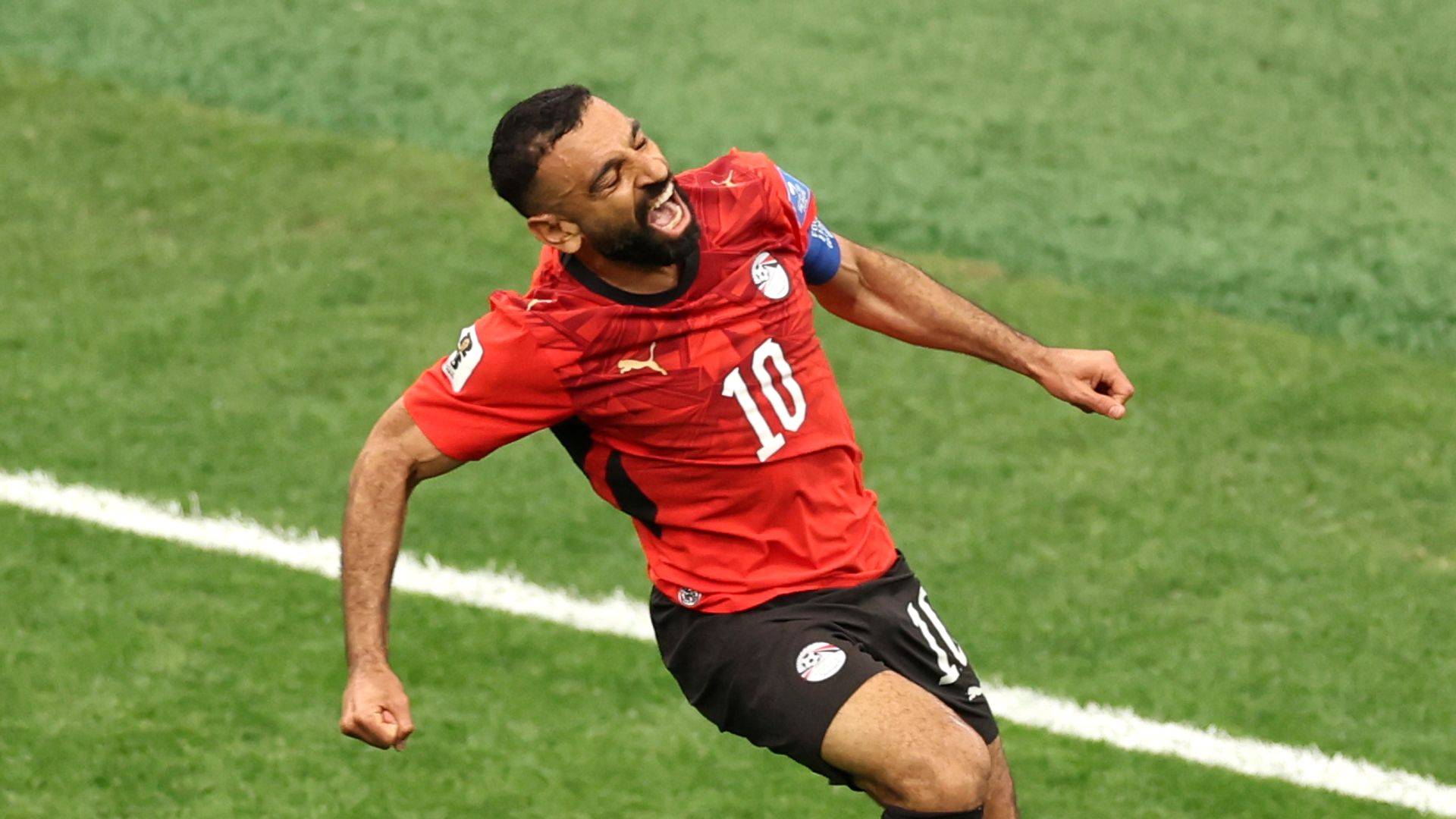
Salah inspires Egypt to first-ever World Cup win

Image: courtesy of Sky sports

sportsJune 22, 2026By Veridact EditorialUpdated Jun 22

Mohamed Salah Inspires Egypt to Historic First World Cup Victory, Securing Knockout Stage Berth

Mohamed Salah led Egypt to a landmark 3-1 comeback victory over New Zealand earlier today, marking the nation's first-ever win at a FIFA World Cup. Salah scored one goal and set up another, a performance that not only secured the historic win but also guaranteed Egypt's progression to the tournament's knockout stages for the first time in their history.

What to Expect

Egypt now faces the daunting prospect of navigating the World Cup knockout stages, a territory entirely new for the Pharaohs. The immediate focus will shift to recovery and strategic preparation for their next opponent, who will likely present a significantly tougher challenge than New Zealand. Fans, both in Egypt and across the African continent, will undoubtedly carry heightened expectations for Salah and the team.

For the team itself, the coming days will be a test of mental fortitude and tactical discipline. The pressure that comes with national hopes resting on their shoulders will intensify. Coaches will need to manage player fitness and morale, ensuring the squad remains grounded despite the euphoria of their recent success. The tactical approach for knockout football often differs from group stage play, demanding more caution and clinical finishing, suggesting Egypt may adopt a more conservative strategy in their next fixture.

Key Context

Egypt's journey to the 2026 World Cup knockout stages has been a long one, marked by sporadic appearances and a consistent struggle to make an impact on the global stage. Before today's match, Egypt had participated in the World Cup three times: in 1934, 1990, and most recently in 2018. In all previous outings, the team failed to secure a single victory, nor did they advance beyond the group stage. Their 2018 campaign in Russia, for instance, saw them exit after three defeats.

Mohamed Salah's role in the national team has been central to their recent resurgence. Since his debut in 2011, Salah has been the undisputed talisman, carrying the hopes of a nation on his shoulders. His prolific scoring record and consistent performances for both club and country have made him a global icon, but his influence extends beyond just goals. He embodies the aspirations of Egyptian football, his presence often inspiring both teammates and an entire generation of fans. His goal in a crucial qualifier against Congo in 2017 famously secured Egypt's place in the 2018 World Cup, ending a 28-year absence from the tournament. Today's performance against New Zealand further cements his legacy as arguably the greatest Egyptian footballer of all time, directly delivering a historic milestone that had eluded the nation for nearly a century.

Related Coverage

Predicting how all 48 teams will do in the World C...→Messi 'doing well', could play World Cup warmups→Fernando Tatis Jr. finally hits first home run of season: Why Padres star endured lengthy power drought→

Historical Patterns

The history of African nations at the FIFA World Cup is one of periodic breakthroughs followed by persistent challenges. While teams like Cameroon, Senegal, and Ghana have reached the quarter-finals, consistent deep runs have remained elusive. Often, the performance of African teams has been heavily reliant on individual star power, with players like Roger Milla, Samuel Eto'o, and Didier Drogba carrying their respective nations. Egypt's reliance on Mohamed Salah fits squarely into this pattern.

The initial group stage can be a minefield for any team, but for nations making their mark, the first victory often serves as a significant psychological hurdle overcome. Historically, teams that secure their first World Cup win, especially after a long wait, often experience a surge in confidence and national support. This can sometimes translate into better performances in subsequent matches, though the intensity of knockout football often requires more than just momentum. The challenge for Egypt now will be to translate this individual brilliance and newfound confidence into a cohesive team effort capable of competing with the world's elite on a consistent basis.

This victory carries immense significance far beyond the football pitch for Egypt. For a nation where football is not just a sport but a deeply ingrained cultural passion, a World Cup win represents a profound source of national pride and unity. It offers a rare moment of collective celebration and an affirmation of potential on the global stage.

For Mohamed Salah, this achievement burnishes his already legendary status. Delivering a historic first World Cup win and leading the team to the knockout stages places him in an unparalleled position in Egyptian sporting history. His influence could now extend further into inspiring future generations of athletes, potentially leading to increased investment and participation in youth football programs across the country.

More broadly, for African football, Egypt's progress could serve as a powerful narrative. It demonstrates that with a combination of talent, leadership, and perseverance, African teams can break new ground at the highest levels of international competition. This could foster greater confidence and ambition for other African nations aiming for similar breakthroughs, challenging perceptions and expectations surrounding the continent's footballing capabilities. The economic impact, though harder to quantify immediately, could also be substantial, with increased tourism interest, merchandise sales, and potential for foreign investment in the sport.

Potential Outcomes

Analysis

Looking ahead, several outcomes could emerge for Egypt and Mohamed Salah following this historic win:

1. A Deeper Tournament Run: With the psychological barrier of the first win and knockout qualification now behind them, Egypt could potentially play with more freedom and confidence. This newfound momentum, combined with Salah's continued inspiration, might propel them to upset a higher-ranked opponent in the Round of 16, leading to an unexpected quarter-final appearance. This would be a significant overperformance based on historical precedent but is not outside the realm of possibility given the unpredictable nature of knockout football.

2. A Respectable Knockout Stage Exit: A more probable outcome is that Egypt will face a top-tier opponent in the next round and, despite a spirited performance, ultimately be eliminated. Even an early exit from the knockout stages would still represent a historic achievement, fulfilling the objective of moving beyond the group stage for the first time. This outcome would still be celebrated as a success and provide a strong foundation for future tournaments.

3. Enhanced Legacy for Salah and Egyptian Football: Regardless of how far Egypt progresses in this tournament, Salah's role in securing their first World Cup win and knockout berth will be indelibly etched into history. This achievement could elevate his status even further, potentially leading to individual accolades and greater global recognition. For Egyptian football, it could trigger a period of renewed investment and focus on player development, aiming to build on this success and create a more consistently competitive national team for future World Cups. The experience gained by the current squad, particularly the younger players, will be invaluable.

Timeline

1934
Egypt's First World Cup Appearance
Egypt became the first African team to participate in the FIFA World Cup, held in Italy. They were eliminated in the first round.
1990
Return to the World Cup
After a 56-year absence, Egypt qualified for the World Cup in Italy but again failed to win a match, exiting in the group stage.
2011
Mohamed Salah's International Debut
Mohamed Salah made his debut for the Egyptian national team, beginning his journey to become the country's most influential player.
2018
World Cup Return in Russia
Egypt qualified for the World Cup for the first time in 28 years, largely thanks to Mohamed Salah's goal-scoring. They lost all three group matches.
2026-06-22
Historic First World Cup Win
Mohamed Salah scored and assisted in a 3-1 comeback victory against New Zealand, securing Egypt's first-ever World Cup win and a spot in the knockout stages.
2026-06-XX
Knockout Stage Match
Egypt is set to play their first-ever World Cup knockout stage match, with the date and opponent to be determined based on group standings.

Frequently Asked Questions

Egypt has now secured one World Cup win, a 3-1 victory over New Zealand on June 22, 2026. This was their first-ever win in the tournament's history.

Discussion

0/100
0/1000

Be the first to share your thoughts.

Related Coverage

sports

Thunder Trade Championship Contributor Aaron Wiggins to Hawks for Two Second-Round Picks

Jun 22
sports

Lamine Yamal's World Cup Return Signals Spain's Calculated Ambition

Jun 22
sports

Lucas Bergvall Seeks Tottenham Exit Amid Scarcity of First-Team Minutes

Jun 22
sports

Senators Pivot After Tkachuk Trade, Eye Dallas Stars' RFA Jason Robertson

Jun 22

Stay ahead of the story

AI analysis delivered before events unfold. No spam.

ⓘ

Disclosure: This article contains AI-assisted analysis based on publicly available information.