
The immediate expectation following such a dramatic pre-season collapse is an intensified focus on Liverpool's defensive training and tactical adjustments. Manager Andoni Iraola will likely be scrutinised for his decision-making, particularly the triple substitution that preceded Leeds' comeback. Fans and pundits will be watching Liverpool's subsequent performances closely, looking for signs of improved concentration, defensive coordination, and a clearer tactical identity, especially in managing leads. The incident could also influence transfer activity, with renewed calls for defensive reinforcements if existing options continue to show vulnerabilities.
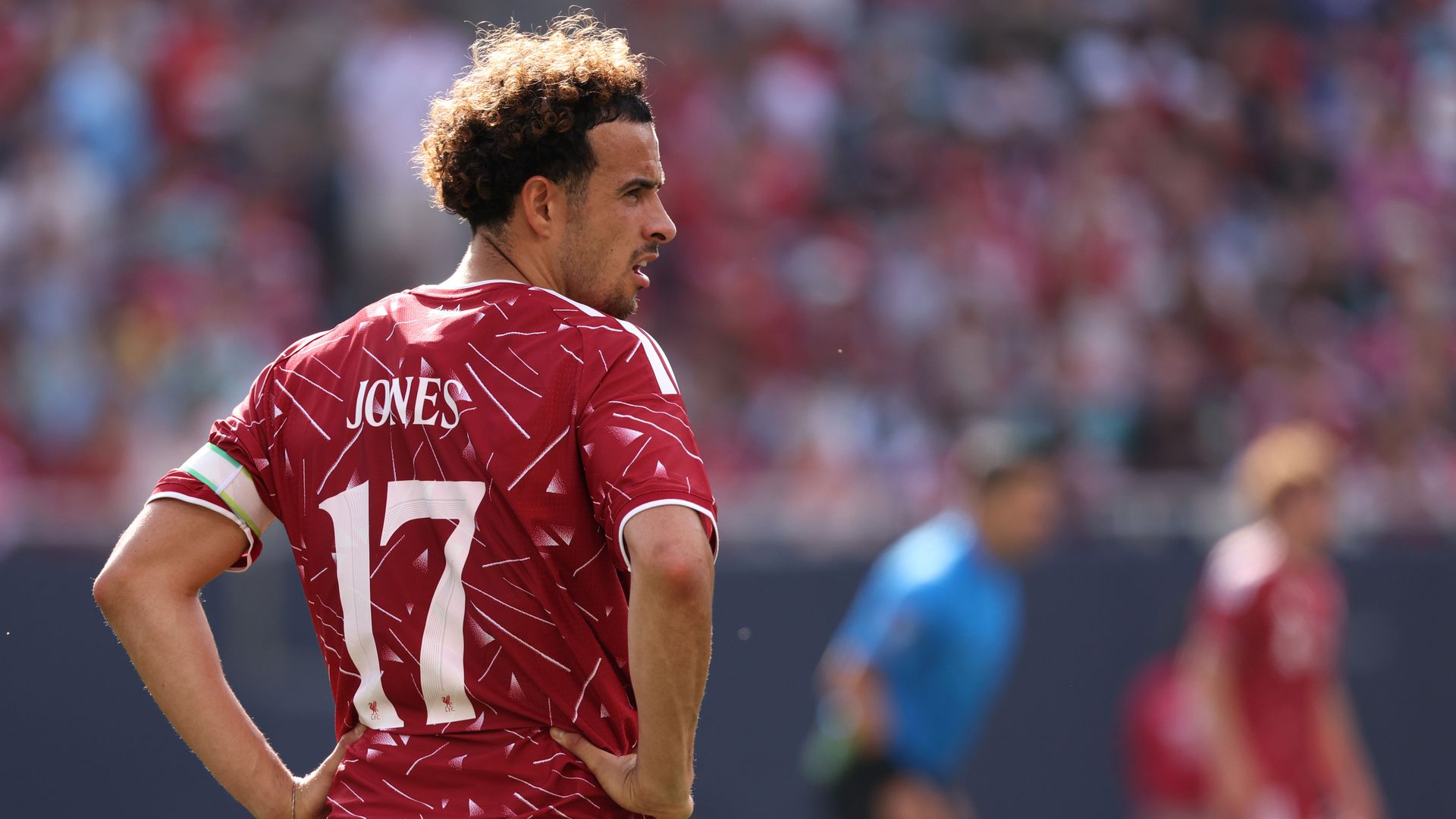
Image: courtesy of Sky sports
Iraola's Tactical Gamble Backfires: What Liverpool's Collapse Against Leeds Reveals About Their Pre-Season Readiness
Liverpool suffered a significant 4-2 defeat to Leeds United in a pre-season friendly held in Chicago on August 3, 2026, despite holding a comfortable 2-0 lead at halftime. The collapse, which saw Leeds score four unanswered goals in the second half, has raised questions about Liverpool's defensive solidity and manager Andoni Iraola's tactical decisions, particularly his mid-match substitutions, as the competitive season approaches. The match, the final fixture of Liverpool's U.S. tour, saw goals from Luke Chambers and Florian Wirtz for Liverpool, countered by a brace from Dominic Calvert-Lewin and strikes from Brenden Aaronson and Sean Longstaff for Leeds.
Outlook
Background
The match on August 3, 2026, at Soldier Field in Chicago, was Liverpool's final fixture of their pre-season tour in the United States. Pre-season friendlies are typically used by clubs to build fitness, integrate new players, experiment with tactics, and assess squad depth before the competitive season begins. While results in these games are generally not considered as important as league or cup matches, the manner of Liverpool's defeat — squandering a two-goal lead in the second half — has drawn particular attention. Luke Chambers and Florian Wirtz had given Liverpool a comfortable 2-0 lead going into halftime. However, a series of substitutions made by manager Andoni Iraola after the break coincided with a complete shift in momentum. Leeds capitalised, scoring through Brenden Aaronson, a double from Dominic Calvert-Lewin, and Sean Longstaff to secure a remarkable 4-2 victory. The collapse has been widely described as a 'capitulation' and a 'complete collapse after the substitutions' by various reports, highlighting concerns over Liverpool's defensive frailties and potentially the impact of tactical changes on team cohesion.
See also
Precedents
Football history is replete with examples of teams struggling with defensive consistency, particularly during periods of tactical transition or squad overhaul. Even top clubs occasionally experience pre-season blips, where experimental lineups or high-intensity training can lead to uncharacteristic results. However, the nature of Liverpool's collapse, specifically conceding four goals after holding a two-goal lead, points to deeper issues than mere fitness building. Historically, such dramatic shifts in momentum within a single game often stem from a breakdown in defensive organisation, individual errors, or a loss of concentration, all of which can be exacerbated by mid-game tactical changes. For Liverpool, a club with a recent history of defensive solidity under previous management, this friendly result may evoke memories of periods where their backline was perceived as a weakness. It also brings to mind instances where managers, in their pursuit of squad rotation or tactical experimentation during friendlies, inadvertently disrupt team rhythm, leading to unexpected outcomes. While a single pre-season friendly rarely dictates an entire season's fortunes, a pattern of defensive lapses, particularly from leading positions, has historically proven difficult to shake off without fundamental adjustments in personnel or system.
This friendly result, while not affecting Liverpool's standing in any league or cup, carries significant weight due to the manner of the defeat. Squandering a 2-0 lead to lose 4-2 in the final match of a pre-season tour is more than just a bad result; it is a potential psychological blow and a clear tactical warning. For manager Andoni Iraola, it directly questions his in-game management and the efficacy of his substitutions, which appear to have destabilised the team rather than strengthened it. This indicates a potential disconnect between his tactical intentions and the squad's ability to execute them, especially under pressure. On a broader level, it raises immediate concerns about Liverpool's defensive readiness for the upcoming competitive season. A lack of defensive cohesion and the tendency to concede goals in quick succession, as seen against Leeds, could prove costly in the high-stakes environment of the Premier League and European competitions. For fans, it casts a shadow of doubt over the team's preparedness and the overall strength of the squad, potentially fueling anxieties about the challenges ahead. The performance forces a critical evaluation of players, tactics, and mental fortitude before the games that truly count begin.
Scenarios
AnalysisThe immediate aftermath of Liverpool's surprising loss to Leeds presents several paths for the club as they transition from pre-season to the competitive campaign.
One potential outcome is that the club treats this result as a sharp, necessary wake-up call. Manager Andoni Iraola and his coaching staff could use the detailed match analysis to identify specific defensive shortcomings, individual errors, and the areas where tactical changes proved detrimental. This could lead to an intensified focus on defensive drills, communication, and maintaining structure even after substitutions. Players who underperformed, particularly in the second half, might see reduced roles or face renewed competition for starting spots. The club may also accelerate efforts in the transfer market for defensive reinforcements if the current squad depth is deemed insufficient to prevent similar collapses. This approach would see the team learn from the experience, tighten up defensively, and enter the season with a more resolute mindset, treating the friendly as an expensive but valuable lesson.
Conversely, a second outcome is that the defensive vulnerabilities exposed against Leeds persist into the early stages of the competitive season. If the issues are deeper than simple pre-season rust—perhaps systemic tactical flaws or a lack of understanding among players—Liverpool could struggle to maintain leads and concede costly goals in crucial matches. This could lead to a dip in confidence, increased pressure on Iraola, and a more challenging start to their league campaign than anticipated. It might force the manager to revert to more conservative tactics or rely heavily on individual brilliance to overcome defensive frailties, potentially hindering the team's overall attacking flow and long-term development. Such a scenario could also impact player morale and fan sentiment, creating a sense of unease around the club early in the season.
Timeline
2026-08-03
Kick-off at Soldier Field, Chicago
Liverpool and Leeds United begin their pre-season friendly match, the final fixture of Liverpool's U.S. tour.
2026-08-03
Liverpool Takes Early Lead
Luke Chambers opens the scoring for Liverpool inside seven minutes, giving them a 1-0 advantage.
2026-08-03
Liverpool Doubles Advantage
Florian Wirtz extends Liverpool's lead to 2-0 five minutes before halftime, appearing to put them in control.
2026-08-03
Halftime: Liverpool 2-0 Leeds
Liverpool goes into the interval with a comfortable two-goal lead.
2026-08-03
Iraola's Triple Substitution
Liverpool manager Andoni Iraola makes multiple changes, including a triple substitution, which coincides with a shift in momentum for Leeds.
2026-08-03
Leeds Begins Comeback
Brenden Aaronson scores for Leeds in the 60th minute, narrowing Liverpool's lead to 2-1.
2026-08-03
Calvert-Lewin Equalises
Dominic Calvert-Lewin scores his first goal in the 71st minute, drawing Leeds level at 2-2.
2026-08-03
Leeds Takes the Lead
Sean Longstaff scores in the 73rd minute, completing Leeds' comeback and putting them ahead 3-2.
2026-08-03
Calvert-Lewin Secures Brace
Dominic Calvert-Lewin scores his second goal, sealing a 4-2 victory for Leeds United.
2026-08-03
Full-time: Liverpool 2-4 Leeds
The match concludes with Leeds staging a remarkable comeback to defeat Liverpool.
Frequently Asked Questions
Leeds United defeated Liverpool 4-2 after coming from 2-0 down at halftime.
Discussion
Be the first to share your thoughts.