
As U.S. Soccer begins its search for a new men's national team manager—with U23 coach Steve Cherundolo stepping in for an interim December camp and a friendly against Jamaica—the federation faces mounting pressure to articulate a coherent long-term sporting strategy. Observers can anticipate weeks of intense public speculation regarding candidates, internal boardroom friction, and heightened scrutiny over how the organization evaluates managerial talent ahead of major international tournaments.
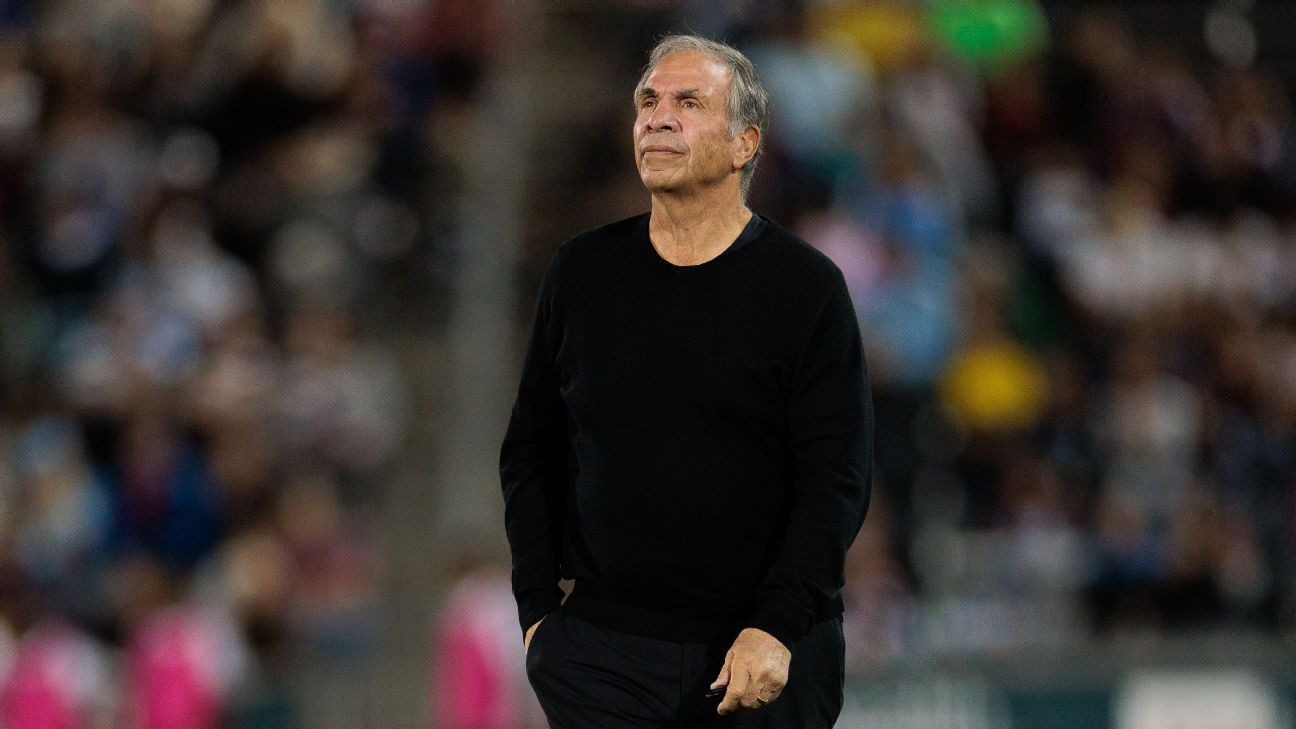
Image: courtesy of ESPN
Why Bruce Arena's Attack on U.S. Soccer Exposes a Deep Division in American Football
Following Mauricio Pochettino's departure to Manchester United, former U.S. manager Bruce Arena launched a sharp critique of U.S. Soccer's leadership. Beyond the public feud lies an ongoing philosophical battle over whether the national team requires an American coach who understands domestic soccer culture or a high-priced foreign tactician.
Outlook
Background
Mauricio Pochettino officially departed his role as head coach of the United States men's national team on November 13, 2026, after serving for more than two years, to take over at Premier League club Manchester United. His exit left U.S. Soccer scrambling for leadership. Bruce Arena, who managed the USMNT across two separate stints from 1998 to 2006 and 2016 to 2017, publicly lambined the federation during media availability, stating that leadership lacks a clear direction for the vacancy. Arena has historically maintained that foreign managers struggle to grasp the unique administrative and cultural nuances of the American soccer landscape.
Precedents
American soccer leadership has long oscillated between hiring high-profile foreign managers—such as Jürgen Klinsmann and Mauricio Pochettino—and relying on seasoned domestic veterans like Arena and Bob Bradley. Each transition frequently triggers public debate over identity, tactical philosophy, and whether foreign hires genuinely comprehend the quirks of the Major League Soccer structure, player development pipelines, and the sprawling geography of the national program. Historically, these sudden coaching vacancies tend to expose structural communication gaps between federation executives and veteran coaches who built their careers within the domestic system.
The constant churn in the national team dugout directly impacts the development arc of a generation of American players competing in elite European and domestic leagues. When leadership philosophies shift abruptly every few years, players are forced to adapt to entirely different tactical systems and cultural expectations just as the program approaches critical competitive cycles. For fans and investors pouring capital into the sport domestically, the recurring friction between federation officialdom and traditional coaching figures signals persistent institutional instability at the highest levels of the sport.
Scenarios
AnalysisOne possible outcome is that U.S. Soccer pivots inward, appointing a domestic manager with deep MLS roots to appease critics and establish immediate cultural alignment. Another scenario is that the federation doubles down on a global search, prioritizing tactical prestige and European club experience over local familiarity, thereby deepening the ideological divide exposed by Arena. A third possibility involves elevating an interim candidate like Steve Cherundolo on a permanent basis if upcoming December camp performances demonstrate strong locker-room cohesion.
Timeline
November 13, 2026
Pochettino Departs for Manchester United
Mauricio Pochettino officially leaves his position as USMNT head coach after more than two years to accept the managerial job at Manchester United.
Mid-November 2026
Bruce Arena Publicly Criticizes U.S. Soccer
Current San Jose Earthquakes manager Bruce Arena slams federation leadership during media availability, stating they lack a clear plan for the vacancy.
December 2026
Interim Camp and Jamaica Friendly
U23 manager Steve Cherundolo takes charge of a December training camp and an international friendly match against Jamaica as the search gets underway.
Frequently Asked Questions
Pochettino left the USMNT after more than two years in charge to accept the head coaching position at Premier League club Manchester United.
Discussion
Be the first to share your thoughts.