
Formula 1 teams entering the sport face a steep engineering curve, and Cadillac is no exception. As the American constructor prepares for its second season on the grid in 2027 alongside veteran teammate Sergio Perez, the focus will shift from foundational setup to extracting performance out of an immature chassis. With Bottas locked in, management has chosen diagnostic consistency over high-risk upside. The team remains on the hunt for its first championship points, putting immense pressure on the engineering group back in the factory to deliver aerodynamic and power unit updates ahead of the winter test sessions.
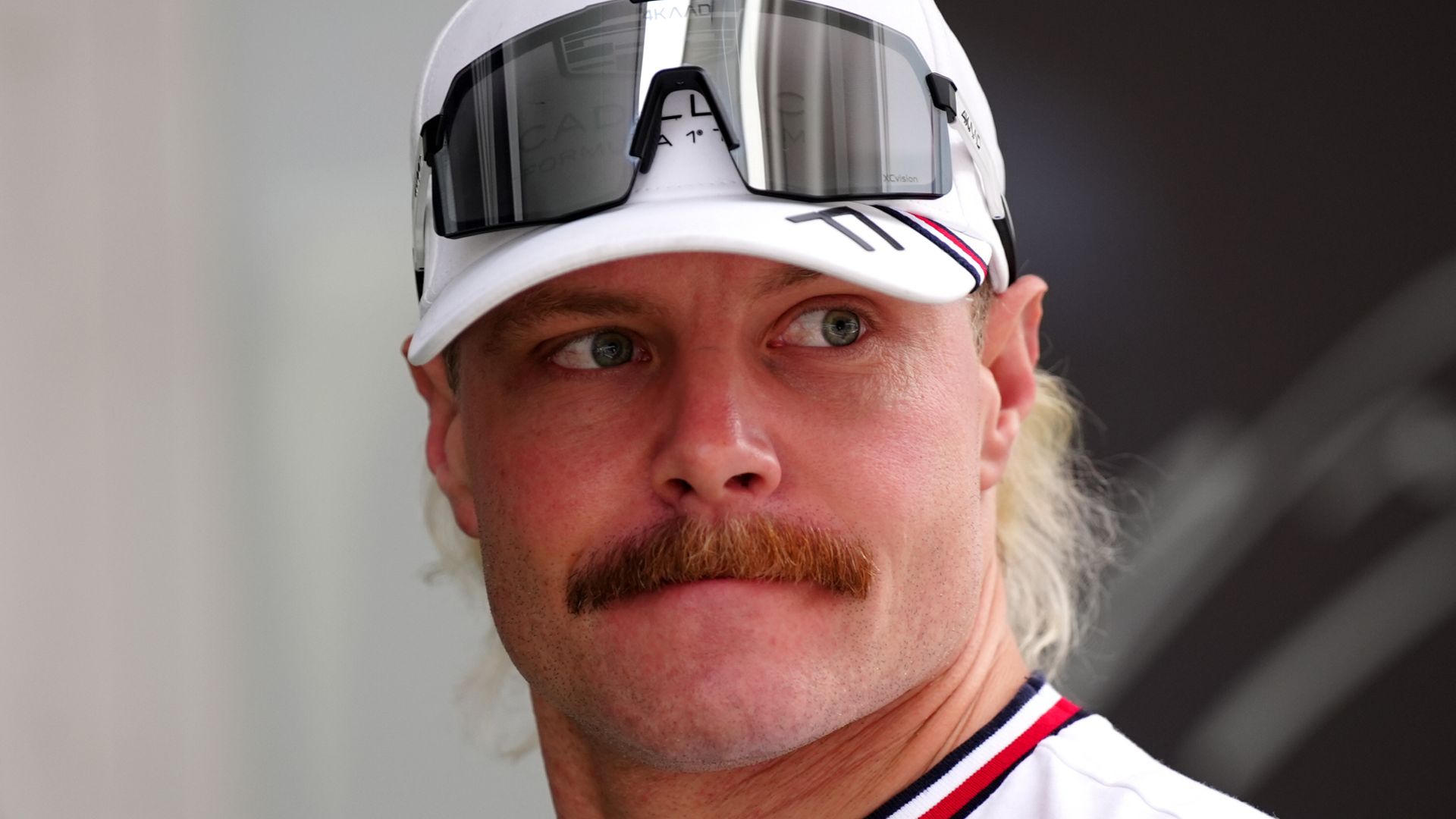
Image: courtesy of Sky sports
Why Cadillac Chose Valtteri Bottas Over Colton Herta for 2027
Cadillac has confirmed that Valtteri Bottas will retain his race seat alongside Sergio Perez for the 2027 Formula 1 season. The decision provides the rookie American constructor with crucial engineering continuity, but it leaves IndyCar star Colton Herta facing a narrowing window for an F1 future.
Outlook
Background
The announcement, made on November 18, 2026, ahead of the Las Vegas Grand Prix, put an end to weeks of paddock speculation. Bottas, who originally signed a multi-year deal for Cadillac's 2026 debut, faced internal pressure regarding an option to extend his contract into 2027 following a difficult campaign. Reports had circulated that American open-wheel standout Colton Herta was being evaluated for the seat, a move that would have satisfied commercial interests for the team's U.S. base. Ultimately, CEO Dan Towriss and the executive board opted for proven feedback loops rather than rolling the dice on a rookie debut, leaning on Bottas' years of development experience at Mercedes and Sauber.
See also
Precedents
New Formula 1 constructors frequently cycle through driver lineups too quickly in a desperate search for pace, compounding car design errors with driver feedback inconsistencies. When Toyota entered the sport in 2002, they paired veterans Allan McNish and Mika Salo to establish a baseline before introducing younger talent. Conversely, teams that swap drivers too frequently during development phases—such as HRT or Caterham in the early 2010s—often struggle to correlate wind tunnel data with on-track behavior. Cadillac's decision to retain Bottas and Perez signals an institutional maturity that rejects short-term commercial noise in favor of long-term telemetry stability.
In a sport where a tenth of a second separates the Q2 cutoff from elimination, driver feedback is the most valuable commodity a team possesses. When an inexperienced team builds a brand-new car, engineers need drivers who can isolate whether a handling balance issue stems from front suspension geometry, tire degradation, or floor downflow stalling. A rookie like Herta, despite immense raw speed in IndyCar, would have introduced a learning curve into car setup that Cadillac simply cannot afford while still chasing its first Grand Prix points. By keeping Bottas, Cadillac ensures that telemetry data gathered in 2026 maps reliably to the 2027 development cycle.
Scenarios
AnalysisOne possible outcome is that the stability pays off, allowing Cadillac to cleanly diagnose their aerodynamic deficits and score regular points by mid-2027. Another scenario is that the conservative lineup choice fails to unlock hidden performance, leaving the team mired at the back of the grid and facing renewed questions about stagnation. Finally, keeping Bottas and Perez closes the door for American driver development pathways in the near term, potentially cooling domestic fan enthusiasm if the car remains uncompetitive.
Timeline
November 18, 2026
Cadillac Confirms Bottas
Cadillac officially announces that Valtteri Bottas will remain with the team for the 2027 Formula 1 season.
Early November 2026
Herta Speculation Peaks
Paddock reports indicate Cadillac is weighing an option to place reserve driver Colton Herta into the race seat for 2027.
March 2026
Cadillac Debut Season
Cadillac takes to the grid for its inaugural Formula 1 campaign with Bottas and Perez leading the driver lineup.
Frequently Asked Questions
Cadillac has confirmed that Valtteri Bottas and Sergio Perez will form the team's driver lineup for the 2027 Formula 1 season.
Discussion
Be the first to share your thoughts.