
The WNBA and the Atlanta Dream front office must secure a venue that meets championship-scale attendance demands without violating prior arena commitments. With Games 3, 4, and 6 scheduled for October 22, 24, and 29, 2026, negotiations for alternative local arenas like Gas South Arena are underway, though previous attempts have hit roadblocks. If no larger facility clears its schedule, the franchise faces the unprecedented optics of hosting a professional sports championship in a minor-league-sized venue.
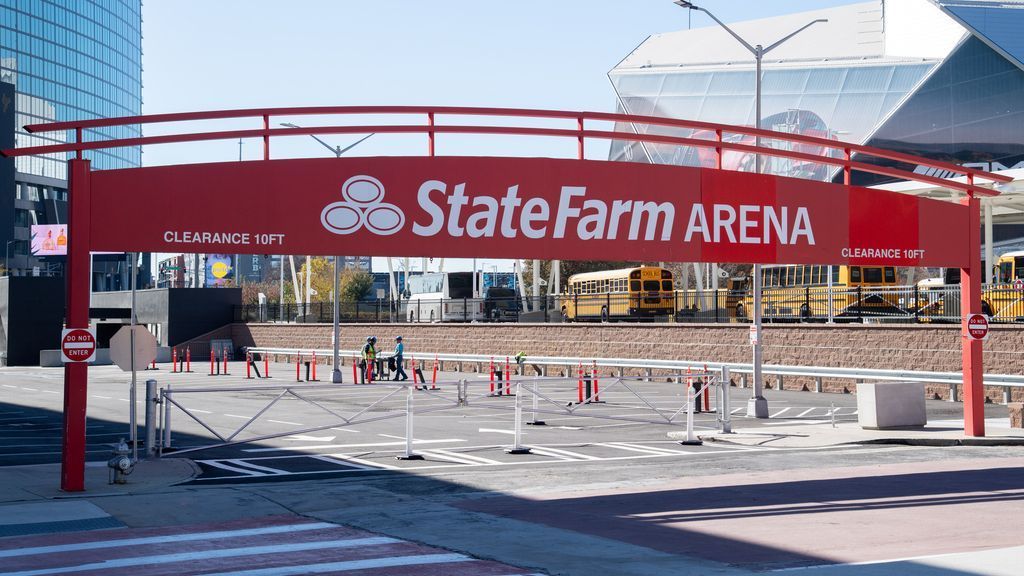
Image: courtesy of ESPN
Why the Atlanta Dream Face a Stadium Crisis Just Weeks Before the WNBA Finals
As the Atlanta Dream prepare to face the Golden State Valkyries in the WNBA Finals, the franchise finds itself without a confirmed home venue for Games 3, 4, and 6. State Farm Arena is booked, and their current home seats only 3,500 fans, highlighting a massive infrastructure bottleneck for a surging league.
Outlook
Background
The Atlanta Dream announced a multi-year deal on October 4, 2026, to move all home games to State Farm Arena starting next season. However, that transition does not help them for the upcoming Finals. State Farm Arena is currently booked for a Sombr concert and Atlanta Hawks games on the exact dates the Dream are scheduled to host. Meanwhile, their current home since 2021, Gateway Center Arena in College Park, holds a maximum of 3,500 spectators. The Dream have previously used Gas South Arena in Duluth, which seats roughly 13,000, but finalizing arrangements mid-playoffs presents major logistical hurdles.
See also
Precedents
Wasteland arena availability during the autumn sports calendar frequently catches professional basketball franchises off guard. When leagues expand or playoff timelines shift against standard arena leasing agreements, tenant teams often lose priority to pre-booked musical acts or co-tenant NHL and NBA franchises. Historically, when WNBA teams have faced severe venue mismatches, the league has stepped in to coordinate regional alternatives, though fan experience and ticket revenue invariably take a hit when relocations happen at the eleventh hour.
This venue scramble exposes the growing pains of a league experiencing explosive demand that routinely outpaces its physical real estate. For ticket holders, sponsors, and players, hosting a championship series in a 3,500-seat facility versus a 17,000-seat arena changes the entire economic and atmospheric footprint of the event. It also underscores how historical venue agreements can penalize surging franchises that outgrow their current facilities faster than new leases can take effect.
Scenarios
AnalysisOne possible outcome is that the Dream successfully negotiate a last-minute lease with Gas South Arena or another regional facility, accommodating a larger crowd for the series. Another outcome is that the team is forced to play at Gateway Center Arena, capping attendance and shutting out thousands of fans who want to witness the franchise's first Finals appearance in years. A third possibility involves schedule adjustments negotiated directly with league office intervention to shuffle concert dates or share arena hours.
Timeline
October 4, 2026
State Farm Arena Move Announced
The Atlanta Dream announce a multi-year agreement to play all home games at State Farm Arena starting with the 2027 season.
October 11, 2026
Finals Matchup Set
The Atlanta Dream advance to the WNBA Finals to face the Golden State Valkyries, cementing their home game dates for late October.
October 12, 2026
Venue Uncertainty Confirmed
Reports confirm that State Farm Arena is booked with conflicting events, leaving the Dream's Finals hosting locations unresolved as of Sunday night.
Frequently Asked Questions
State Farm Arena is already booked for other events, including a Sombr concert and Atlanta Hawks games, on the dates the Dream are scheduled to host Games 3, 4, and 6.
Discussion
Be the first to share your thoughts.