
Veridact
TechSportsFinanceGaming🎯 PredictionsAbout
Sign InSign Up
Veridact

AI-powered anticipation analysis. We cover tech, sports, finance, and gaming events before they happen — with historical context, scenario modeling, and evolving coverage.

Stay ahead of the story

Analysis delivered before events unfold.

Coverage

  • Tech
  • Sports
  • Finance
  • Gaming

Company

  • About Us
  • Privacy Policy

© 2026 Veridact. AI-assisted analysis platform.

Analysis is AI-generated and not professional financial, legal, or medical advice.

Gaming
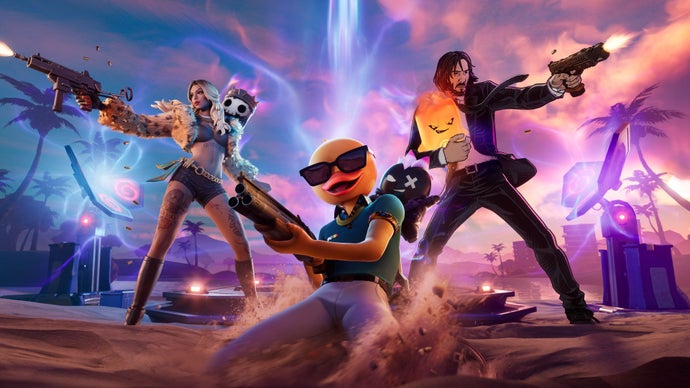
Unreal Engine 6 has a novel idea: you using your Fortnite skins in other Unreal games and vice versa

Image: courtesy of EuroGamer

gamingJune 18, 2026By Veridact EditorialUpdated Jun 18

Unreal Engine 6 Aims to Break Down Gaming's Walled Gardens With Cross-Game Cosmetics and Unified Tools

Epic Games is pushing a significant shift in the gaming industry with its upcoming Unreal Engine 6, designed to allow players to use their Fortnite skins and other cosmetic items across different Unreal-powered games. This vision extends to merging its core engine with the creator-focused Unreal Editor for Fortnite (UEFN), aiming to create a more open and interoperable ecosystem where digital assets hold value beyond a single title. The move reflects Epic's long-standing ambition to foster a connected 'metaverse' where player ownership and developer flexibility are paramount.

What to Expect

The central promise of Unreal Engine 6 is a unified development environment that breaks down the traditional barriers between games. Epic Games has confirmed its vision for UE6 to allow cosmetic items purchased in Fortnite to be used in other games built with the engine, and vice versa. This means a player's favorite character outfit or weapon skin could theoretically travel with them between different Unreal Engine 6 titles, creating a persistent digital identity across varied experiences.

To achieve this, Epic plans to merge its flagship Unreal Engine 5 with the Unreal Editor for Fortnite (UEFN) into a single, cohesive platform. This integration is designed to streamline the development process, making it easier for creators to build assets and experiences that are inherently interoperable. The company also intends to 'open up Unreal Engine's own systems as open specifications with Verse APIs, defined asset conventions, and documentation.' This commitment to open standards extends to embracing existing formats like glTF, which will become 'first-class formats within the engine,' reducing friction for developers and promoting wider adoption.

While the concept is ambitious, the practical implementation will require active participation from game developers. They will need to 'implement support for this interoperability' within their own titles. This indicates that cross-game cosmetic support will not be automatic, but rather a feature that studios can choose to integrate, potentially opening up new revenue streams and player engagement opportunities.

Key Context

Epic Games, led by CEO Tim Sweeney, has long championed the idea of an open, interconnected digital world, often referred to as the 'metaverse.' Sweeney has consistently argued against the 'walled garden' approach prevalent in the gaming industry, where platforms like PlayStation, Xbox, or even individual games, keep players and their purchased content siloed. This philosophy was a driving force behind the creation of the Epic Games Store, which offered developers a more favorable revenue split compared to competitors like Steam, aiming to attract more creators to Epic's ecosystem.

Fortnite itself, with its massive player base and extensive library of cosmetic items, has already demonstrated the power of digital ownership and self-expression within a single game. The game's success has also shown the potential for user-generated content, particularly through UEFN, which allows creators to build and monetize their own experiences within the Fortnite framework. The move to unify the core engine with UEFN and enable cross-game cosmetics is a natural extension of this strategy, aiming to expand Fortnite's influence and Epic's underlying technology across the broader gaming landscape. It represents a strategic play to position Unreal Engine 6 not just as a development tool, but as a foundational platform for a more open, player-centric digital economy.

Historical Patterns

The concept of digital asset interoperability is not entirely new, though its large-scale implementation in mainstream gaming has been elusive. Early attempts in virtual worlds like Second Life allowed users significant freedom over their digital goods, but these environments often remained niche. More recently, blockchain-based games have explored true digital ownership through NFTs, but these have faced significant hurdles, including market volatility, regulatory uncertainty, and skepticism from traditional gamers.

In conventional gaming, cross-game content is typically limited to specific franchises or publisher ecosystems. For instance, certain cosmetic items or characters might transfer between different titles within a single publisher's portfolio (e.g., a bonus skin in one Call of Duty game carrying over to the next). However, true interoperability across different developers or even entirely different types of games is rare. This is primarily due to technical complexities, differing art styles and asset pipelines, and more significantly, the commercial incentives for platform holders and developers to maintain control over their intellectual property and user base.

Epic's approach with Unreal Engine 6 seeks to overcome these historical limitations by providing the technical framework and advocating for open standards, leveraging its influence from Fortnite and the widespread adoption of Unreal Engine. The challenge, historically, has always been less about the technical possibility and more about aligning the diverse economic and creative incentives of hundreds of independent game studios.

This move by Epic Games carries significant implications for players, developers, and the broader gaming industry. For players, it promises a tangible expansion of digital ownership. Instead of cosmetics being locked to a single game, their investments in virtual goods could potentially offer value and utility across a multitude of experiences. This could foster a stronger sense of attachment to their digital identity and purchases, making the act of acquiring a new skin or item feel more impactful.

For developers, the unification of Unreal Engine and UEFN, alongside open specifications, could drastically lower barriers to entry for creating interconnected experiences. It suggests a future where assets are more easily shared, reused, and monetized across different projects, potentially reducing development costs and accelerating innovation. A developer building a new game, for example, might find a ready-made audience and a library of existing cosmetic items that players already own, incentivizing them to integrate the interoperability features. This could also create new revenue streams, as a developer might earn a share when a player uses a Fortnite skin in their game.

More broadly, Epic's vision challenges the existing 'walled garden' model that dominates the industry. By promoting open standards and cross-game compatibility, Epic is implicitly positioning Unreal Engine 6 as a foundational technology for a more decentralized, player-centric internet – an early iteration of the 'metaverse' that Tim Sweeney has long envisioned. If successful, this could pressure other engine developers and platform holders to consider similar interoperability initiatives, potentially reshaping how digital content is created, owned, and experienced across the entire gaming landscape.

Potential Outcomes

Analysis

There are several directions this ambitious initiative could take as Unreal Engine 6 moves towards its full release:

One possible outcome is widespread adoption and a thriving interoperable ecosystem. If Epic successfully provides robust tools, clear documentation, and strong incentives, a significant number of developers using Unreal Engine 6 might choose to implement cross-game cosmetic support. This could lead to a future where players genuinely feel their digital purchases have extended utility, deepening engagement with Epic's ecosystem and potentially attracting more developers to the engine. New business models could emerge around creating and licensing interoperable assets, further solidifying Epic's position as a leader in open digital platforms.

Conversely, a second outcome could be limited or fragmented adoption. While Epic provides the framework, the decision to implement interoperability ultimately rests with individual game studios. Technical complexities in reconciling diverse art styles and game mechanics, intellectual property concerns, or a desire for unique brand identity might lead many developers to opt out or implement only partial support. This could result in a patchwork of interoperable games, diluting the overall impact and potentially confusing players about which assets work where. The initial burden of implementing these new systems could also deter smaller studios.

A third, more nuanced outcome could see selective adoption driven by specific genres or developer types. For instance, independent studios or those focused on more stylized, user-generated content experiences might be quicker to embrace interoperability, seeing it as a way to stand out and attract players from the Fortnite community. Larger, established publishers with strong, distinct brands or complex licensing agreements, however, might be more cautious, preferring to maintain tighter control over their in-game economies and aesthetics. This could create a tiered system where some games are highly interoperable, while others remain largely self-contained.

Timeline

2026-06-17
Unreal Engine 6 Teased
Epic Games officially teased Unreal Engine 6, outlining its vision for a unified platform and cross-game cosmetic interoperability.
2027-12-31
Unreal Engine 6 Early Access
Epic Games plans to release Unreal Engine 6 in early access by the end of 2027, allowing developers to begin experimenting with the new features and tools.
2029-06-30
Unreal Engine 6 Full Release
The full version of Unreal Engine 6 is expected to be released 12-18 months after its early access period, making its features broadly available to game developers.

Frequently Asked Questions

Unreal Engine 6's primary new vision is to enable cosmetic items, like Fortnite skins, to be used across different games built with the engine. It also aims to merge the core Unreal Engine with the Unreal Editor for Fortnite (UEFN) into a single platform.

Discussion

0/100
0/1000

Be the first to share your thoughts.

Related Coverage

gaming

Assassin's Creed Shadows Gets a Proper Ending, But It's Really About What Comes Next for Ubisoft's Flagship Franchise

Jun 18
gaming

DualSense Controller Finally Unlocks Full Wireless Features on PC — For a Price

Jun 18
gaming

Hulk Joins Spider-Man as Sadie Sink's Jean Grey Revealed in 'Brand New Day' Trailer

Jun 18
gaming

Mark Hamill Joins 'Twisted Metal' Season 3, Deepening Its Game Roots

Jun 17

Stay ahead of the story

AI analysis delivered before events unfold. No spam.

ⓘ

Disclosure: This article contains AI-assisted analysis based on publicly available information.