
Veridact
TechSportsFinanceGaming🎯 PredictionsAbout
Sign InSign Up
Veridact

AI-powered anticipation analysis. We cover tech, sports, finance, and gaming events before they happen — with historical context, scenario modeling, and evolving coverage.

Stay ahead of the story

Analysis delivered before events unfold.

Coverage

  • Tech
  • Sports
  • Finance
  • Gaming

Company

  • About Us
  • Privacy Policy

© 2026 Veridact. AI-assisted analysis platform.

Analysis is AI-generated and not professional financial, legal, or medical advice.

gaming
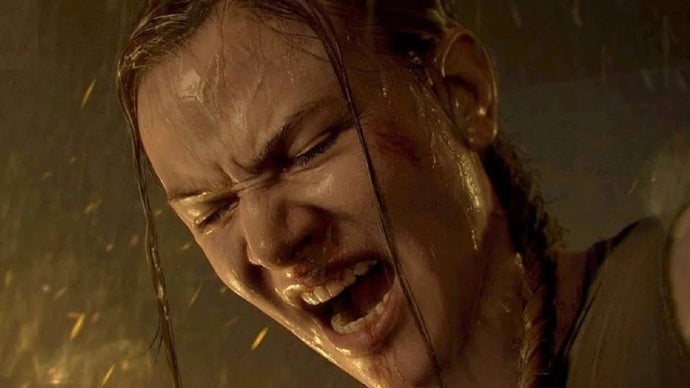
The Last of Us Part 2 will get multiplayer later this year, but not from Sony, and sadly not on PS5 either

Image: courtesy of EuroGamer

gamingJune 23, 2026By Veridact EditorialUpdated Jun 23

The Rogue Coders Rebuilding the Multiplayer Game That Sony Abandoned

On June 22, 2026, an independent development group announced plans to launch a fully functioning multiplayer mode for The Last of Us Part II later this year. The project does not have the backing of Sony Interactive Entertainment or developer Naughty Dog. It will not run on the PlayStation 5 console. Instead, this community-driven effort bypasses official console ecosystems entirely, targeting modified systems and PC environments to deliver the multiplayer experience that Sony officially canceled in late 2023. The announcement has reignited a fierce debate over the sustainability of modern live-service game development and the lengths to which dedicated players will go to preserve features that corporate strategies leave behind.

Implications

The upcoming modification aims to resurrect the core combat and survival systems of The Last of Us Part II in a competitive player-versus-player format. According to details shared by the development group, the mod leverages the underlying engine code of the PlayStation 4 release of the game, adapting its highly praised physics, melee combat, and stealth mechanics for network play. Because Sony has not released an official PC port of the second game, the project is expected to run on modified PlayStation 4 hardware and specialized PC emulation environments designed to handle reverse-engineered console software.

This is not a simple patch. The developers have had to write custom netcode from scratch to synchronize player movements, weapon physics, and environment destruction across different systems without relying on Sony’s proprietary PlayStation Network infrastructure. This indicates that players will likely need to connect to community-hosted private servers to access the mode.

While the technical achievement is significant, the barriers to entry will be exceptionally high for the average player. Unlike official releases that can be downloaded with a single click from the PlayStation Store, accessing this multiplayer mode will require technical workarounds, hardware modifications, or advanced emulation software. The creators have stated that they intend to release the software for free to avoid direct commercial infringement, but the legal and technical tightrope they are walking is incredibly thin.

Background

To understand why an independent modding group is taking on such a massive engineering challenge, one must look back to the turbulent development history of Naughty Dog’s post-apocalyptic franchise. When The Last of Us Part II launched in June 2020, it arrived as a purely single-player experience. This was a departure from the 2013 original game, which featured a highly popular multiplayer mode called Factions.

Naughty Dog initially promised that a multiplayer component was in development and would release when ready. What began as a companion mode quickly ballooned into an incredibly ambitious, standalone live-service project known internally as The Last of Us Online. For more than three years, a dedicated team within Naughty Dog iterated on the concept, attempting to build a massive, persistent multiplayer world.

Then came the sudden retreat. In December 2023, Naughty Dog officially announced the cancellation of The Last of Us Online. The studio’s explanation was remarkably candid: to support a massive live-service game for years to come, Naughty Dog would have to commit all of its studio resources to post-launch content. This would effectively turn them into a single-game live-service studio, permanently limiting their ability to develop the narrative-driven, single-player games that defined their reputation.

So why did a team of hundreds of professional developers at Naughty Dog abandon a project that a handful of independent modders are now piecing together in their spare time? The answer lies in the vast difference between commercial viability and community passion. Sony and Naughty Dog were trying to build a multi-million-dollar revenue engine designed to satisfy shareholders, keep millions of players engaged daily, and compete with giants like Fortnite. The modders, by contrast, are simply trying to make a functional arena shooter for a dedicated niche. They do not need to worry about server scalability for millions of concurrent users, seasonal battle passes, player retention metrics, or corporate overhead.

See also

Everything We Know About Call Of Duty: Modern Warfare 4: Campaign, Multiplayer, And DMZ→Infinity Ward sneakily offers first look at Modern Warfare 4 multiplayer gameplay, and apparently it's all about movement now→CD Projekt Red reveals huge The Witcher 3 sales milestone, which helps explain why a third expansion is in development 11 years later→

Precedents

The history of the video game industry is filled with community-made projects stepping into the vacuum left by corporate cancellations. When major publishers abandon beloved intellectual properties or shut down legacy servers, dedicated fans frequently step in to keep those experiences alive.

A notable parallel is the Halo Online project, known as ElDewrito. In 2015, Microsoft tested a free-to-play multiplayer game called Halo Online exclusively in Russia, only to cancel it shortly after. A group of community developers took the leaked build, reverse-engineered it, and turned it into a highly polished, widely played PC game. Microsoft eventually intervened, pausing development of the mod, but the intense fan interest directly influenced the publisher's decision to bring the Halo: The Master Chief Collection to PC with robust community features.

Similarly, community-run servers for older massively multiplayer online games, such as classic versions of World of Warcraft, thrived in a legal gray area for years. Blizzard Entertainment famously shut down the fan-run Nostalrius server in 2016, sparking widespread fan backlash. That pressure eventually forced Blizzard to develop and launch its own official legacy service, World of Warcraft Classic, in 2019.

These historical precedents suggest that while publishers often use legal means to protect their intellectual property, they also pay close attention to the demand these projects reveal. Whether Sony will follow Microsoft and Blizzard's path of shutting down the project while taking notes, or simply issue a quiet cease-and-desist order to bury the work entirely, remains the critical question hanging over this new initiative.

The Real Stakes

This rogue multiplayer project highlights a growing crisis in the modern AAA video game industry: the unsustainable economics of the live-service model. Over the past decade, major publishers have shifted massive amounts of capital toward games designed to be played—and monetized—indefinitely. However, the market has reached a saturation point. Players only have so much time and money to allocate to persistent online worlds.

When a major publisher like Sony greenlights a project today, the financial hurdles are astronomical. A game cannot simply be fun; it must justify hundreds of millions of dollars in ongoing operational costs, marketing, and content updates. This dynamic has forced studios to take fewer creative risks, leading to high-profile cancellations and studio closures when projects fail to meet massive corporate expectations.

For players, this project represents a form of cultural preservation. In an era where digital-only games can be permanently deleted from servers at a publisher's whim, the community is asserting its right to play. This development suggests that as corporate game development becomes more risk-averse and consolidated, the responsibility for preserving unique gameplay experiences is increasingly shifting from the boardrooms to the players themselves.

Scenarios

Analysis

Analyzing the path ahead for this project reveals three distinct potential scenarios:

In one scenario, Sony Interactive Entertainment's legal team issues a swift cease-and-desist order to the developers. Sony is notoriously protective of its proprietary code and trademarks. If the modders distribute files that contain copyrighted material from Naughty Dog's engine, Sony has clear legal grounds to halt the project before it ever reaches a public release. This would force the project underground or end it entirely.

Another possible outcome is that the developers manage to release the mod by utilizing a patch-only distribution method. Under this approach, the creators do not distribute any copyrighted Sony files; instead, they distribute a tool that modifies files the players must source themselves from their own legally owned copies of the game. While this method is legally safer, it still carries significant risk, and Sony could still pressure hosting platforms like GitHub or Discord to remove the project's communication and distribution channels.

A third, more optimistic scenario is that the intense community interest generated by this mod demonstrates a clear, unmet demand for a PC-based multiplayer experience in the franchise. This could push Sony to expedite an official PC port of The Last of Us Part II with some form of integrated online play, though historical corporate inertia makes this the least likely immediate response.

Timeline

2020-06-19
The Last of Us Part II Launches
Sony releases the highly anticipated sequel on PlayStation 4 as a single-player game, promising multiplayer will arrive later.
2022-06-09
Standalone Concept Revealed
Naughty Dog confirms the multiplayer project has grown into a massive standalone game, releasing concept art and promising more details.
2023-12-14
Official Cancellation
Naughty Dog officially cancels The Last of Us Online, citing the unsustainable resource demands of supporting a live-service game.
2026-06-22
Community Project Announced
Independent modders announce they are building a custom multiplayer mode for the game, targeting a release later in 2026.

Frequently Asked Questions

No. This project is entirely unofficial and is being developed by independent modders without any involvement, support, or authorization from Sony Interactive Entertainment or Naughty Dog.

Discussion

0/100
0/1000

Be the first to share your thoughts.

Related Coverage

gaming

Nicolas Cage Enters Call of Duty: The Strategy Behind Gaming's Star Power Crossovers

Jun 23
gaming

GTA 6's Missing Reflection: Fan Scrutiny Meets Technical Reality Ahead of November Launch

Jun 23
gaming

After Five Delays and a Final-Morning Scramble, Mech Fortress-Builder Sand Finally Launches

Jun 23
gaming

AMC's 'The Vampire Lestat' Navigates Fan Disappointment With Source Material Changes

Jun 22

Stay ahead of the story

AI analysis delivered before events unfold. No spam.

ⓘ

Disclosure: This article contains AI-assisted analysis based on publicly available information.