
Expect a title that leans heavily on the Modern Warfare brand equity, likely featuring a high-fidelity campaign meant to act as a prestige piece, alongside a hyper-competitive multiplayer suite. The game will almost certainly integrate deeply with the Warzone ecosystem, serving as a primary progression hub for players. Technical performance will be a focal point, with developers attempting to leverage current-gen hardware to surpass the visual benchmarks set by the 2019 reboot. However, the core gameplay loop will likely remain a refined version of the classic arcade-style movement that the series has refined over the last decade, as the studio remains risk-averse regarding core mechanics.
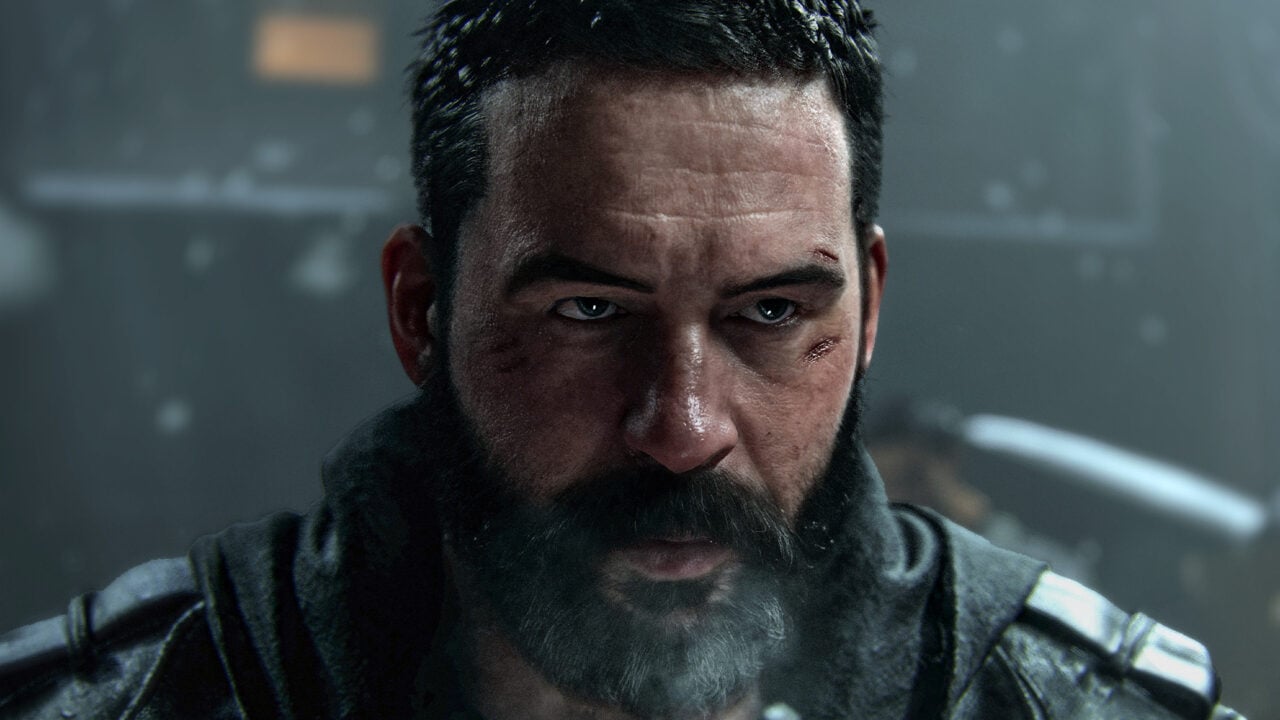
Image: courtesy of Kotaku
The High-Stakes Gamble of Modern Warfare 4: Can Activision Sustain the Juggernaut?
As the gaming industry tracks the development of the next potential Call of Duty entry, the focus shifts to how the franchise will balance legacy expectations with the intense financial pressures of the post-acquisition era.
Outlook
Background
The franchise is now operating under the direct oversight of Microsoft, shifting the internal culture from a public-company focus on quarterly spikes to a long-term service ecosystem. With Call of Duty acting as the primary revenue engine for its gaming division, the development cycle is tighter than ever, with multiple studios coordinating across a global network. This creates a challenging environment where creative autonomy is often secondary to the rigid requirements of a live-service roadmap. The brand must simultaneously cater to veteran fans who demand a return to tactical roots and a younger demographic that prioritizes fast-paced, social-heavy gameplay.
See also
Precedents
The series has consistently relied on 'soft reboots' to reset expectations and modernize the engine when player interest begins to plateau. The 2019 Modern Warfare title remains the gold standard for this strategy, having successfully shifted the industry toward a more grounded, photorealistic aesthetic. However, the subsequent years have shown a pattern of dilution, where the unique identity of individual titles is frequently sacrificed to ensure seamless integration with Warzone. This cycle has created a paradox where the game is simultaneously the most anticipated release of the year and the most criticized for its repetitive nature.
This release functions as the primary indicator of whether the current Call of Duty model is still viable in a market increasingly saturated by free-to-play alternatives. It represents the first major test for the Microsoft-Activision leadership structure, revealing whether they will prioritize short-term revenue through aggressive monetization or long-term brand health through genuine innovation. The financial implications are massive, as the game's performance directly influences the valuation of the entire gaming division and dictates future capital allocation. Beyond the numbers, the title will determine if the Modern Warfare name—the most iconic sub-brand in shooters—still holds the power to capture the cultural zeitgeist in an era of fragmented attention.
Scenarios
Analysis1. The Safe Iteration: A polished, technically sound, but creatively stagnant release that maintains current player numbers but fails to ignite the market. 2. The Structural Pivot: A high-risk, high-reward overhaul of mechanics that attempts to redefine the genre, likely alienating traditionalists while attempting to secure a new, younger demographic. 3. The Platform Integration: A design philosophy that effectively turns the game into a premium 'expansion' for Warzone, prioritizing weapon leveling and content syncing over a standalone narrative experience.
Timeline
Late 2025
Marketing Unveiling
The initial reveal will likely lean heavily into nostalgia, utilizing iconic characters like Captain Price to anchor the campaign, signaling a return to the roots of the sub-brand.
Q4 2026
Global Launch Window
The release will target the holiday window to maximize unit sales, serving as the critical revenue driver for the fiscal year.
Frequently Asked Questions
While it will be sold as a premium, standalone product, the structural reality is that the game will be designed to feed directly into the Warzone ecosystem. Players can expect the game to function as a fast-track for leveling weapons and unlocking cosmetic content, making it an essential purchase for the most dedicated battle royale players.
Discussion
Be the first to share your thoughts.