
As the extraction shooter mode settles into its initial launch window following its October release, players should expect widespread community experimentation with the Possum perk. Content creators and veteran operators are already stress-testing the mechanic in player-versus-player skirmishes. Meanwhile, Infinity Ward faces mounting pressure to address how the perk alters gunfight resolution and whether balance patches will arrive before the first major seasonal update.
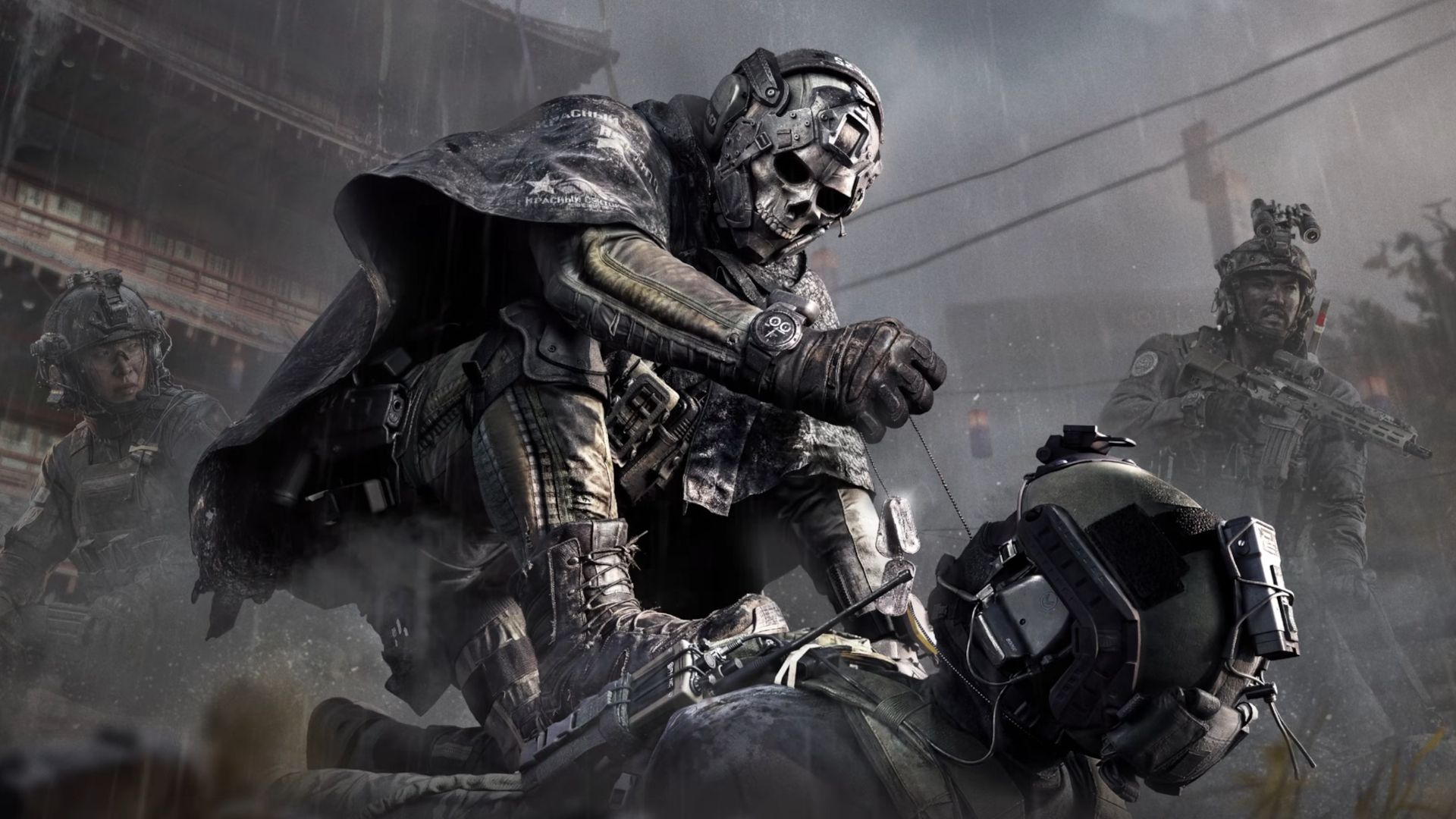
Image: courtesy of PC Gamer
Why Modern Warfare 4's Possum Perk Is Already Upending the DMZ Meta
Call of Duty: Modern Warfare 4 has introduced its extraction mode, DMZ, and a single perk called Possum is dominating community discussions. Allowing players to self-revive after a full death, the mechanic has sparked fierce debate over combat balance, player trust, and the fundamental rules of engagement in tactical shooters.
Outlook
Background
Infinity Ward designed the Possum perk to function as a tactical play-dead tool, allowing operators to remain motionless on the ground and revive themselves after opposing squads have moved on and lowered their guard. However, prominent community figures, including Call of Duty analyst and YouTuber JGOD, have demonstrated how the perk can be repurposed mid-combat to overturn seemingly lost engagements. Unlike traditional downed-but-not-out states that require immediate teammate intervention or standard self-revive kits, Possum triggers after a full elimination, creating a scenario where winning a gunfight no longer guarantees safety.
See also
Everything We Know About Call Of Duty: Modern Warfare 4: Campaign, Multiplayer, And DMZ→Call of Duty: Modern Warfare 4 finally revealed, and it's officially leaving last-generation consoles behind→Infinity Ward sneakily offers first look at Modern Warfare 4 multiplayer gameplay, and apparently it's all about movement now→Netflix's Cyberpunk Edgerunners Season 2 gets a first trailer, starring a character with perhaps the biggest death-flag of all time→
Precedents
Extraction shooters live and die by information asymmetry and the absolute finality of death. Historically, franchises like Call of Duty and Escape from Tarkov have struggled with mechanics that blur the line between a confirmed kill and a lingering threat. In previous iterations of DMZ, self-revive kits frequently sparked friction, but they maintained visible audio and visual cues. When developers introduce perks that remove these traditional verification signals, player anxiety spikes as the core loop of hunting and looting becomes inherently unreliable.
The controversy surrounding Possum goes beyond standard shooter balance complaints; it strikes at the heart of psychological trust in competitive multiplayer spaces. When a player invests time, positioning, and ammunition into winning a firefight, discovering that the enemy can return from a full death without a distinct audio cue or immediate penalty erodes confidence in the game's combat feedback. For solo players and squads alike, this shifts the tactical baseline from decisive engagement to excessive caution, altering the pacing that made extraction modes popular in the first place.
Scenarios
AnalysisInfinity Ward could implement a hotfix that increases the audio footprint and lengthens the activation timer for the Possum perk, making it significantly riskier to deploy while enemies remain nearby. Alternatively, the studio might leave the mechanic intact to protect niche solo playstyles, forcing the wider player base to adopt paranoid clearing habits like executing fallen bodies. A third possibility involves restricting the perk's availability in competitive or high-stakes playlist variants while keeping it active in standard deployment queues.
Timeline
October 14, 2026
DMZ Solo Guide and Feature Confirmation
Content creators publish tactical guides confirming solo play parameters, stealth mechanics, and loadout essentials ahead of the official launch.
October 21, 2026
Launch Day Backlash Begins
Call of Duty: Modern Warfare 4 launches its extraction mode, and players immediately begin debating the mechanical balance of the Possum perk on community forums.
October 22, 2026
Community Testing and Creator Demonstrations
Prominent community analysts demonstrate how the perk can overturn lost player-versus-player fights, intensifying calls for developer intervention.
Frequently Asked Questions
The Possum perk allows operators to self-revive even after suffering a full death, rather than just the standard downed-but-not-out state, simulating a play-dead scenario.
Discussion
Be the first to share your thoughts.