
Players should anticipate a shift in the studio's output cadence, moving away from the sprawling, multi-year support cycles seen with The Witcher 3: Wild Hunt. By utilizing Unreal Engine 5 as a standardized foundation, the studio aims to rotate development teams across a trilogy of titles to maintain a consistent market presence. This approach prioritizes velocity and capital efficiency, effectively treating the franchise like a premium television series rather than a singular, decade-long commitment. The absence of post-launch expansions suggests that the studio is banking on the strength of three distinct, high-impact releases rather than the 'one-and-done' blockbuster model that defined their previous success. Whether this tighter production schedule preserves the narrative depth and hand-crafted quality that fans associate with the series remains the central point of contention for the studio's leadership and its audience.
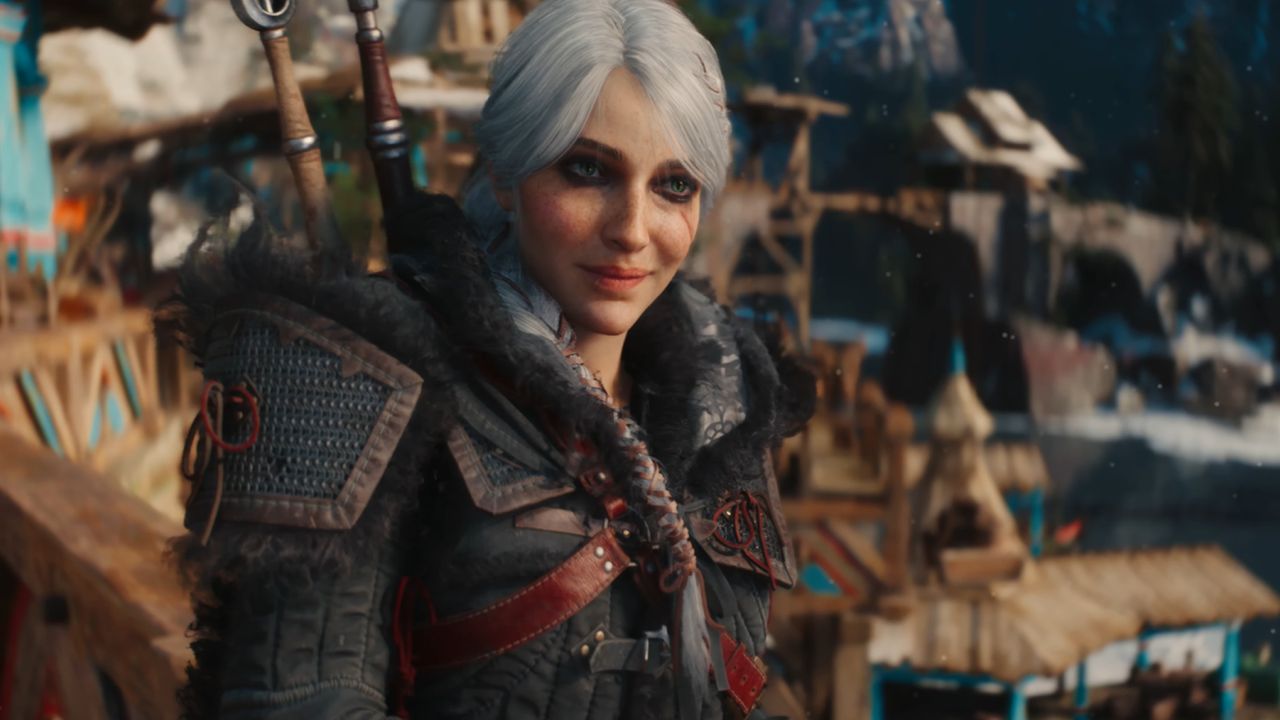
Image: courtesy of PC Gamer
CD Projekt Red’s High-Stakes Gamble: The Six-Year Witcher Trilogy
CD Projekt Red is attempting to reshape its operational model by committing to the release of three full-scale Witcher titles within a six-year window, a move that signals the end of the studio's traditional long-term expansion strategy.
Outlook
Background
The decision to move to an accelerated release schedule is driven by the need for financial predictability and the mitigation of developer burnout. By avoiding the 'boom and bust' cycles of massive, isolated game launches, the studio hopes to keep its stock price stable and its workforce engaged through a rolling project pipeline. Leadership, including joint CEOs Adam Badowski and Michał Nowakowski, are under immense pressure to prove that the company has moved past the operational turbulence of the Cyberpunk 2077 era. The move to Unreal Engine 5 is the technical linchpin of this plan, intended to replace the proprietary engine issues of the past with a industry-standard architecture that facilitates easier cross-team collaboration. However, the institutional pressure to ship on time creates a high-stakes environment where any significant development snag could jeopardize the entire six-year roadmap.
See also
Precedents
The gaming industry has seen similar attempts at 'fast-track' production, most notably during the peak of the Assassin’s Creed annualized era, which resulted in significant fluctuations in quality control. While BioWare successfully delivered a trilogy of genre-defining games between 2007 and 2012, they operated in a vastly different era of development costs and audience expectations. Modern AAA development now requires upwards of $200 million per title, making CDPR's ambition significantly riskier than past efforts. Square Enix’s approach with the Final Fantasy VII Remake project offers a closer parallel, where splitting a massive narrative into parts allowed for more frequent releases, yet even they have struggled to maintain a consistent output pace. CDPR’s attempt to deliver three entirely new titles—rather than iterating on a single narrative foundation—represents a level of complexity that few studios have successfully navigated at this scale.
The shift away from the expansion-heavy model signifies a fundamental change in how CD Projekt Red defines 'value' for its customers and its shareholders. For years, the studio’s reputation was built on providing immense, long-tail content that kept players engaged for years after the initial purchase; abandoning this strategy forces a re-evaluation of the player-studio relationship. This transition is a litmus test for whether a modern AAA studio can maintain its creative soul while operating on a factory-like production schedule. If the studio succeeds, it could set a new industry standard for high-velocity franchise management, proving that quality does not necessarily require a five-year development cycle per title. Conversely, if the pressure to maintain the schedule results in stripped-back or buggy experiences, it could lead to a rapid erosion of the brand equity that the company has spent two decades cultivating. Ultimately, this strategy represents a high-stakes bet that the current market prefers shorter, more frequent, and tighter experiences over the sprawling, infinite-content models that previously dominated the landscape.
Scenarios
AnalysisOutcome 1: The 'Iterative Masterpiece' Success. CDPR leverages the shared architecture of Unreal Engine 5 to deliver a cohesive, high-quality trilogy that keeps the brand relevant without sacrificing the narrative depth of the series. This positions the studio as a leader in 'high-velocity AAA' production, effectively managing the risks of burnout and technical debt. Outcome 2: The 'Developmental Treadmill' Stumble. The pressure of the two-year release cycle leads to corner-cutting, resulting in products that feel hollow or technically compromised. Without the ability to release expansions to 'fix' or extend the experience, the brand suffers from diminishing returns, forcing a return to a slower, more traditional development model. Outcome 3: The 'Service-Game' Hybrid Shift. Recognizing that the three-game, six-year plan is unsustainable, the studio pivots the second or third project into a 'platform' model. This evolves the franchise into a living, multi-year hub, abandoning the original trilogy promise to save the studio from a catastrophic failure.
Timeline
Frequently Asked Questions
Discussion
Be the first to share your thoughts.