
The immediate aftermath of the incident has seen a flurry of statements and counter-statements. Expect continued discussion around the responsibilities of vessels at sea, regardless of size or ownership. The focus will likely shift from the initial 'did they or didn't they' to broader questions about maritime safety protocols, communication failures, and the public's expectations of wealthy individuals. This event may prompt internal reviews of communication procedures on large private vessels, as well as a more detailed look into how distress calls are relayed and verified in remote areas.
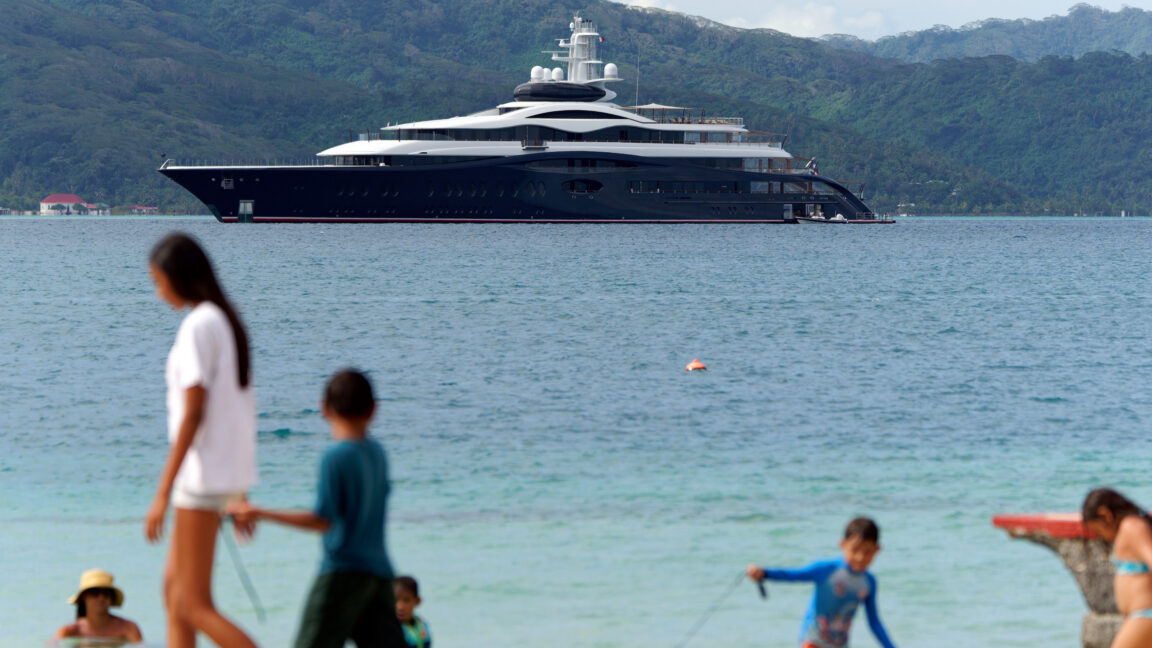
Image: courtesy of Ars Technica
Zuckerberg Yacht Incident: The Uneasy Intersection of Wealth, Public Scrutiny, and Maritime Aid Protocols
Mark Zuckerberg's superyacht, Launchpad, recently faced allegations of ignoring a distress call from a stranded boat off the coast of Alaska. While a nearby cruise ship ultimately assisted the vessel, the incident sparked a public debate, with Zuckerberg's representatives denying the claims and the Coast Guard clarifying the boat was not in distress. The conflicting narratives highlight the complexities of maritime communication, the intense public scrutiny on high-profile figures, and the operational realities of superyacht management.
Outlook
Background
On August 10, a small boat reportedly ran out of fuel near Juneau, Alaska. A nearby cruise ship, the Wilderness Legacy, responded to an assistance call and rescued the stranded vessel. The captain of the cruise ship later claimed that the U.S. Coast Guard had initially radioed Mark Zuckerberg’s superyacht, 'Launchpad,' which was closer to the stranded boat, but that the yacht 'repeatedly refused to respond.' This account quickly drew public criticism.
However, a spokesperson for Mark Zuckerberg and Priscilla Chan, Brian Baker, denied these allegations. Baker stated that neither Zuckerberg nor Chan were aboard the yacht at the time of the incident. He also clarified that the yacht's crew was monitoring a different radio channel, suggesting a communication breakdown rather than an intentional refusal to assist. Crucially, the Coast Guard later confirmed that while an assistance call was made, their assessment determined the stranded boat was not in active distress at the time the cruise ship intervened. This suggests that while a vessel needed help, it was not deemed a life-threatening emergency by official channels.
Precedents
Incidents involving high-profile figures and their private vessels often draw significant public and media attention, particularly when questions of responsibility or ethics arise. Historically, maritime law, including international conventions like the Safety of Life at Sea (SOLAS), places a strong emphasis on the duty to render assistance to any person in distress at sea. This duty applies to all vessels, irrespective of their size or purpose. However, the interpretation of 'distress' and the practicalities of communication can vary. Past incidents involving private yachts have sometimes led to public relations challenges, prompting owners to review their operational protocols and public engagement strategies. The maritime industry itself has a long history of 'good Samaritan' acts, where vessels assist each other, reinforcing a common expectation that all ships will respond to calls for help when able.
This event, despite the official clarifications, matters because it highlights the ongoing tension between public perception and operational reality, especially for figures like Mark Zuckerberg. The initial reports ignited a conversation about the perceived obligations of the ultra-wealthy, particularly when their assets – like a $300 million superyacht – are involved in situations requiring assistance. Even with a denial from Zuckerberg's team and a Coast Guard statement that the boat was not in distress, the narrative of a superyacht 'ignoring' a call for help has already taken root in some public discourse. This indicates that the incident is less about a clear-cut failure to rescue and more about the optics of wealth and responsibility. It also draws attention to the complexities of maritime communication channels and the potential for misunderstandings, even in situations where official protocols are followed. For the maritime industry, it serves as a reminder of the importance of clear communication and readily accessible emergency channels across all vessel types.
Scenarios
AnalysisOne possible outcome is that this incident could prompt Mark Zuckerberg's team to publicly detail or reinforce their superyacht's operational protocols regarding emergency communications and assistance. This might include ensuring multiple radio channels are monitored or clarifying the chain of command for responding to aid requests. Such a move would be aimed at proactively managing public perception and demonstrating a commitment to maritime safety standards.
Another outcome could be a broader discussion within the superyacht industry itself about best practices for responding to assistance calls, especially in remote or less-trafficked waters like Alaska. This could lead to updated guidelines or recommendations from industry associations, encouraging all large private vessels to maintain vigilant monitoring of emergency frequencies and to have clear procedures for assessing and responding to calls for aid.
A third scenario is that the incident, given the Coast Guard's clarification that no 'distress' occurred, may fade from public discourse without significant policy changes. The public's attention often shifts quickly, and without evidence of direct harm or negligence, the story's longevity could be limited. However, the initial controversy may still leave a lasting impression on public perception regarding the responsibilities of ultra-high-net-worth individuals and their assets.
Timeline
2024-12-19
Zuckerberg's Yacht 'Launchpad' Spotted in French Polynesia
Marc Zuckerberg's superyacht, 'Launchpad,' is seen in Raiatea, French Polynesia, indicating its global travel patterns prior to the Alaska incident.
2026-08-09
Initial Reports of Yacht Ignoring Call Emerge
Forbes Breaking News reports that Mark Zuckerberg’s yacht allegedly ignored an assistance call from a small boat that ran out of fuel near Juneau, Alaska. The article notes a spokesperson's denial.
2026-08-10
Stranded Boat Incident and Cruise Ship Rescue
A small boat runs out of fuel off Juneau, Alaska. A nearby cruise ship, Wilderness Legacy, assists the vessel. The cruise ship captain later claims Zuckerberg's yacht, Launchpad, was closer but 'repeatedly refused to respond' to Coast Guard radio calls.
2026-08-10
Zuckerberg's Representatives Issue Denial
Brian Baker, a spokesperson for Mark Zuckerberg and Priscilla Chan, states that the couple was not on board the yacht. He denies the crew intentionally ignored calls, attributing it to monitoring a different radio channel.
2026-08-10
Coast Guard Clarifies 'No Distress' Status
The U.S. Coast Guard confirms that while an assistance call was made, their assessment determined the stranded boat was not in distress at the time of the incident.
Frequently Asked Questions
The superyacht in question is named 'Launchpad.' It is reportedly valued at $300 million.
Discussion
Be the first to share your thoughts.