
An examination of how rising launch costs and heavy reliance on a single market leader are forcing satellite builders to rethink their entire supply chains, from vertical integration to unconventional partnerships.
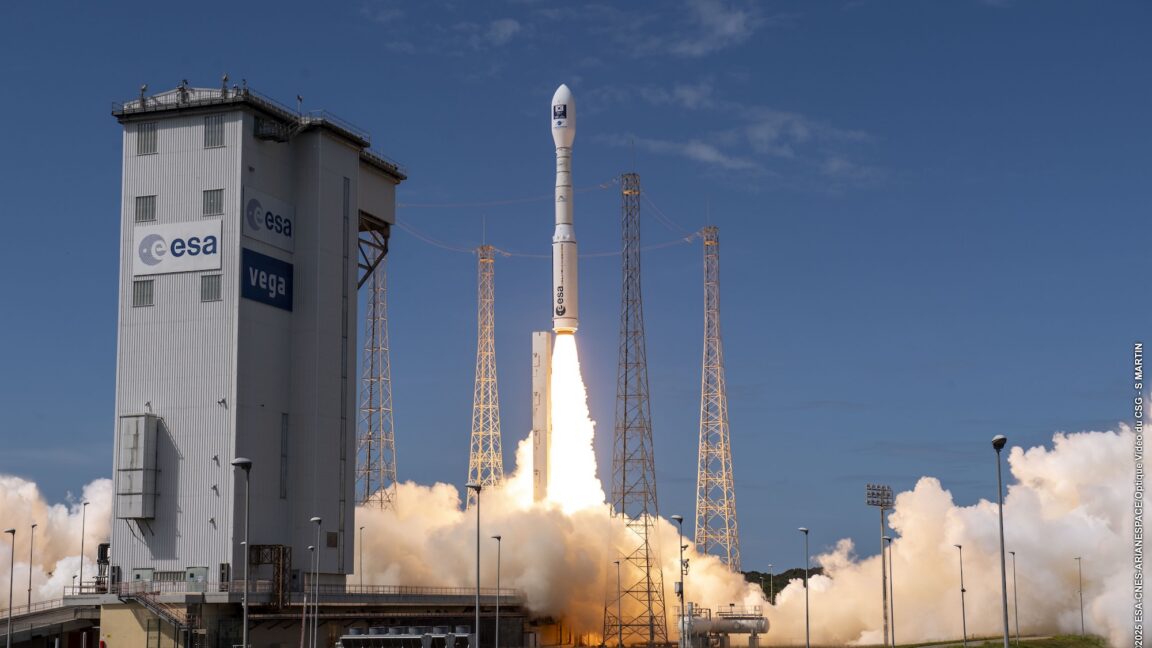
Image: courtesy of Ars Technica
Why Satellite Companies Are Suddenly Racing to Build Their Own Rockets
An analysis of the structural shift in the aerospace industry as satellite operators like ICEYE and AST SpaceMobile move to secure dedicated launch services, challenging SpaceX's dominance.
Outlook
Background
SpaceX commands the commercial launch market with its Falcon 9 and rapidly expanding Starlink constellation, which now exceeds 11,000 satellites. Smaller operators face severe procurement bottlenecks and unpredictable scheduling. Recent moves, such as ICEYE seeking partnership with Avio for Vega C launches and AST SpaceMobile planning a 20-ton rocket dubbed Blacklift using Firefly engines, signal a departure from traditional outsourcing.
See also
Precedents
Historically, the satellite industry treated launch services as a commodity utility, relying on a rotating roster of third-party providers. When launch supply tightens—similar to the post-Shuttle gap or early commercialization bottlenecks—downstream operators find themselves squeezed by pricing power concentrated among a handful of rocket builders.
When your business model requires launching dozens or hundreds of heavy satellites on a strict schedule, waiting in line behind competitors creates severe capital allocation risks. Vertical integration changes the financial equation, turning unpredictable variable costs into massive fixed capital expenditures.
Scenarios
AnalysisOne possible outcome is that dedicated launch partnerships stabilize costs for mid-tier operators, allowing them to scale production without building heavy manufacturing infrastructure. Alternatively, capital markets could punish satellite companies that overextend their balance sheets into rocket development, triggering consolidation across the sector.
Timeline
November 2026
AST SpaceMobile Rocket Plans Emerge
Reports detail AST SpaceMobile's strategy to build a 20-ton reusable rocket named Blacklift to deploy its massive BlueBird satellites.
Late 2026
ICEYE Seeks Launch Partners
Synthetic aperture radar operator ICEYE moves to secure dedicated launch capacity with Avio's Vega C rocket to support its target of launching 50 satellites annually by 2028.
Frequently Asked Questions
Heavy reliance on dominant providers creates schedule uncertainty and cost exposure, prompting operators to seek direct partnerships or internal manufacturing capabilities to guarantee orbit access.
Discussion
Be the first to share your thoughts.