
If Patrick Roy actually lands the job in Toronto, fans should prepare for an immediate and intense cultural overhaul. Roy does not do quiet diplomacy. He is a coach who demands absolute defensive buy-in, physical sacrifice, and accountability from his highest-paid stars. This means players like Auston Matthews and William Nylander will face a level of public and private scrutiny they have never experienced under previous regimes. Tactically, Roy will likely implement a strict, low-event defensive system designed to protect the goaltender and choke out opponents in the neutral zone. The media circus in Toronto will reach unprecedented levels, as every post-game press conference will become must-watch television. We can also expect immediate friction behind the scenes. Roy historically demands a level of influence over roster construction that modern NHL front offices rarely grant. If Brad Treliving is not prepared to yield some control over player personnel, this relationship could show cracks before the first puck drops in October.
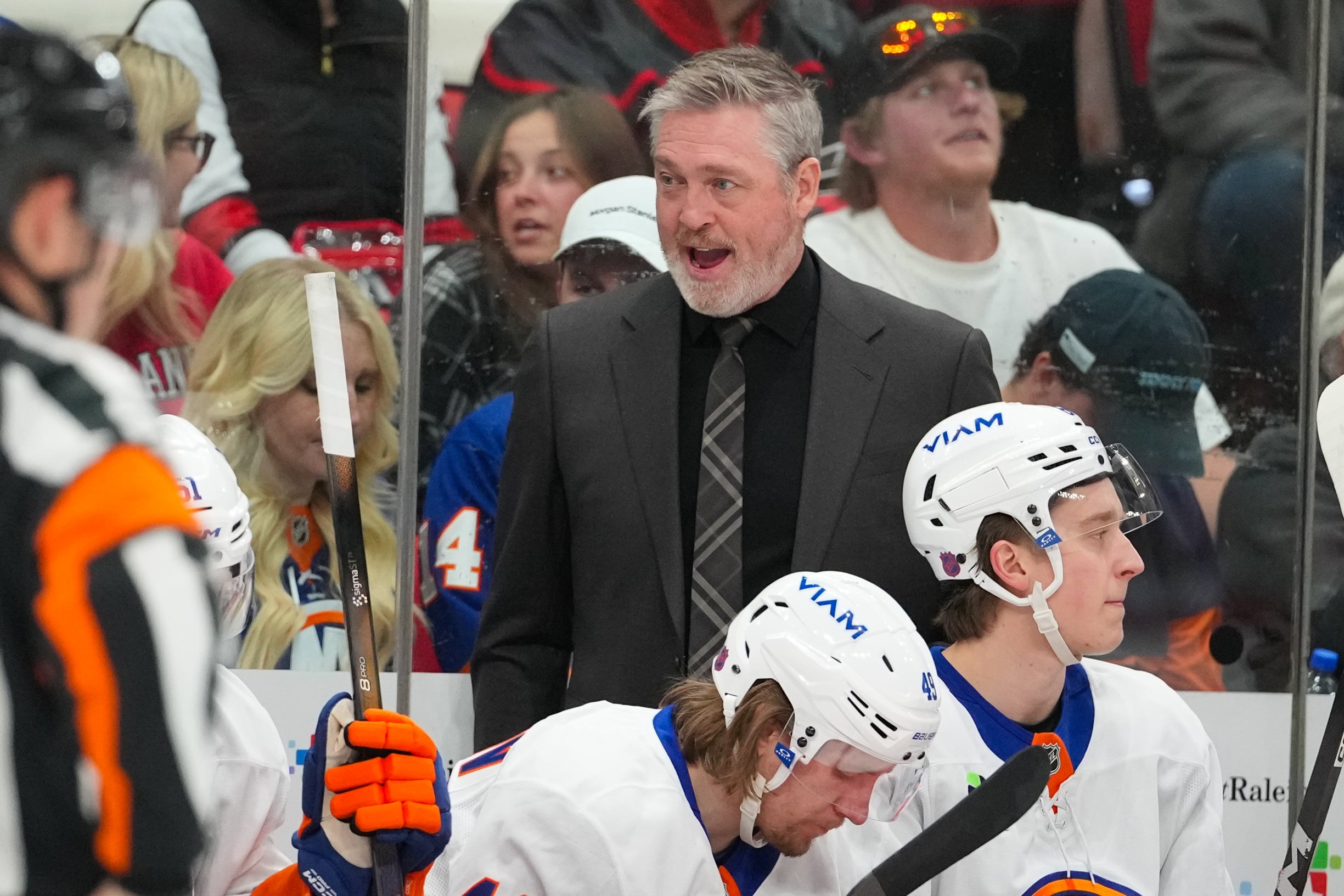
Image: courtesy of Sportsnaut
Patrick Roy to Toronto? Why the Maple Leafs Are Eyeing Hockey’s Most Volatile Winner
The Toronto Maple Leafs are reportedly considering Hockey Hall of Famer Patrick Roy for their vacant head coaching position, a move that would instantly shake up the quiet, corporate culture of Canada's most scrutinized franchise. After another spring of postseason disappointment, the Maple Leafs front office appears to be searching for a radical personality shift. Roy, who recently proved his modern coaching credentials by guiding a limited New York Islanders roster into the playoffs, represents a massive departure from the team’s historical preference for calm, process-driven leaders. The mere rumor of Roy taking the reins in Toronto has sent shockwaves through the hockey world, setting up a fascinating clash between a highly analytical front office and a legendary coach who rules by raw emotion and defensive discipline. Whether this is a serious pursuit or a leverage play, it shows that Maple Leafs general manager Brad Treliving is willing to look outside the traditional comfort zone to fix his team's playoff identity.
Outlook
Background
The Maple Leafs find themselves at a critical crossroads in June 2026. The core of this roster has spent nearly a decade failing to make a deep playoff run, leading to widespread exhaustion among the fanbase and ownership. The previous coaching strategy of hiring structured, player-friendly tacticians has failed to yield results when the games get tight and physical in May. Enter Patrick Roy, whose coaching career has been defined by an ability to squeeze maximum effort out of his rosters. After abruptly walking away from the Colorado Avalanche in 2016 due to a lack of personnel input, Roy spent years rebuilding his reputation in the junior leagues with the Quebec Remparts. His recent stint with the New York Islanders proved he could adapt to the modern NHL, showing a surprising level of tactical patience while retaining the fiery passion that made him a legend. Toronto's front office is under immense pressure from Maple Leaf Sports & Entertainment (MLSE) to deliver a championship. Hiring Roy would be a clear signal to the players and the public that the status quo is officially dead.
Precedents
History shows that hiring a legendary, fiery figure in Toronto is a high-risk gamble that rarely ends quietly. The most obvious comparison is Pat Burns, the tough-talking former police officer who took over the Leafs in 1992. Burns immediately transformed a soft team into a gritty, conference-finalist contender, but his intense style eventually wore out the dressing room, leading to his firing a few years later. More recently, the Leafs tried the big-name savior route with Mike Babcock in 2015. While Babcock brought structure and credibility, his rigid interpersonal tactics eventually alienated the team’s young stars and created a toxic environment. Roy represents a different kind of intensity—one fueled by competitive fire rather than systemic coldness. However, Roy's own history in Colorado is a warning sign. He walked out on his close friend Joe Sakic because he felt his voice wasn't being heard on trades and signings. In a modern hockey world where general managers and analytics departments dictate roster moves, a headstrong coach like Roy is always one disagreement away from a spectacular exit.
The Strategic Stakes of the Coaching Search
Scenarios
AnalysisAnalysis of this potential hiring suggests three distinct paths for the franchise:
First, the move could act as the ultimate catalyst for a championship. Roy's legendary status and demands for defensive accountability could finally force Toronto's highly paid stars to play the gritty, two-way game required to win sixteen playoff games. Under this scenario, the Leafs become a feared, defensive juggernaut, and Roy cements his legacy as a coaching savior.
Second, the partnership could result in a spectacular, highly public blowup. If Roy's demanding style clashes with the dressing room, or if he publicly criticizes the team's core players during a losing streak, the relationship could disintegrate rapidly. This would lead to media wars, trade demands from disgruntled stars, and an early, messy termination of Roy's contract.
Third, the two sides may realize during the interview process that their philosophies are simply incompatible. If Roy insists on having a say in roster decisions and Brad Treliving refuses to compromise the front office's analytical approach, negotiations will break down, forcing Toronto to pivot to a more traditional, compliant coaching candidate.
Timeline
Frequently Asked Questions
Discussion
Be the first to share your thoughts.