
The NFL settlement, finalized on June 30, 2026, provides a degree of clarity for Brendan Sorsby's professional football aspirations. He will not play college football during the upcoming 2026 season, effectively ending his collegiate career if he chooses to focus solely on the NFL Draft. This arrangement allows him to prepare for the 2027 NFL Draft without the immediate pressure of an NCAA eligibility battle, though the appeal against the Texas judge's injunction that restored his college play is still active. NFL teams will now be able to evaluate Sorsby for the 2027 draft class, with the understanding that his gambling-related suspension is resolved at the professional level. His decision to drop a potential lawsuit against the league removes a layer of legal uncertainty for the NFL, streamlining his entry process.
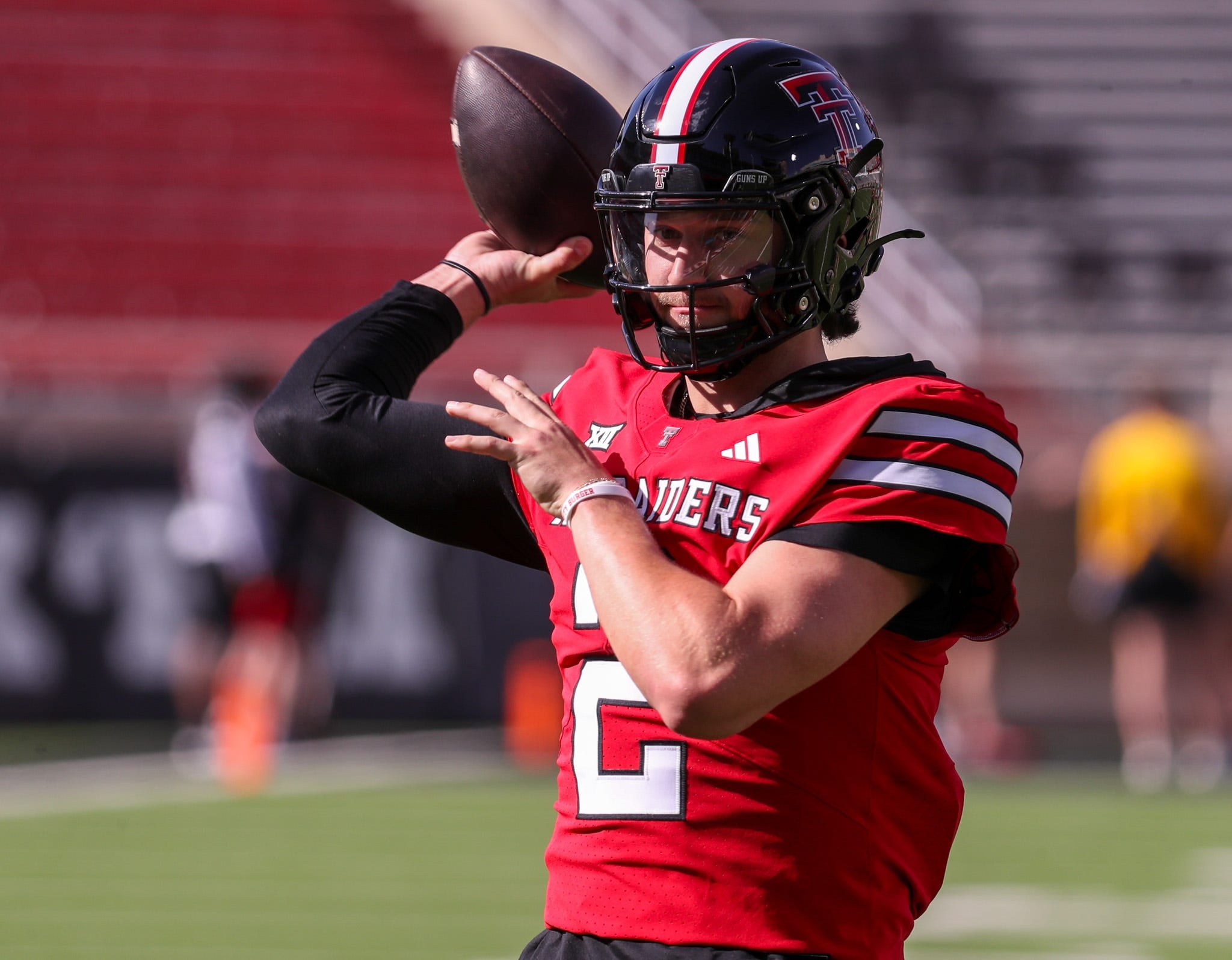
Image: courtesy of Sportsnaut
Brendan Sorsby's NFL Settlement Offers Pro Path Amid Ongoing College Gambling Turmoil
Brendan Sorsby, the Texas Tech quarterback at the center of a high-profile college gambling investigation, reached a settlement with the National Football League yesterday. The agreement clears Sorsby to sit out the entire 2026 season and makes him eligible for the 2027 NFL Draft. In return, Sorsby has agreed not to pursue legal action against the league, a resolution confirmed by both the NFL Players Association and Sorsby's representatives. This professional path emerges even as his collegiate eligibility remains complicated by an ongoing NCAA appeal related to his past gambling admissions.
Outlook
Background
Brendan Sorsby's journey to this NFL agreement has been anything but straightforward, unfolding against a backdrop of increasing scrutiny over sports gambling in college athletics. Sorsby, who transferred to Texas Tech from Cincinnati after a stint at Indiana, admitted to placing thousands of impermissible bets during his freshman year at Indiana, including wagers on his own team. This admission led the NCAA to declare him permanently ineligible for collegiate play.
The situation escalated when a Texas judge issued a temporary injunction on June 8, 2026, which effectively restored Sorsby's eligibility for Texas Tech's 2026 season. The judge's ruling mandated that Sorsby sit out the first two games of the season, against Abilene Christian and Oregon State, but cleared him to play starting with the September 18 game against Houston. Following this injunction, Sorsby dropped his previously filed lawsuit against the NCAA.
However, the NCAA quickly announced its intention to appeal the temporary injunction, leaving Sorsby's college playing status in a state of flux even as the NFL settlement was being hammered out. This appeal suggests the NCAA is not backing down from its stance on gambling violations, despite the judge's intervention. The NFL's agreement with Sorsby effectively bypasses the outcome of this NCAA dispute, creating a separate, professional track for the quarterback.
This sequence of events highlights the fragmented authority in college sports, where judicial intervention can override institutional penalties, only for professional leagues to then establish their own, distinct pathways for players. The recent news summaries also indicated Sorsby had been denied eligibility for the NFL's supplemental draft, making this full settlement a critical development for his career.
Precedents
The NFL's approach to gambling violations, while firm, has historically involved a range of penalties from suspensions to fines, often with a path back for players who comply with league rules. Cases like Calvin Ridley, who was suspended for an entire season for placing bets on NFL games, illustrate the league's strict stance on maintaining the integrity of the sport. However, Sorsby's situation presents a unique wrinkle, as his violations occurred at the collegiate level, prior to his entry into professional football. The NFL's willingness to settle, allowing him to sit out a year before draft eligibility, suggests a calculated decision to manage a potentially messy legal dispute while still enforcing a significant penalty.
This strategy is not entirely new. Professional leagues often prefer to resolve such issues through private settlements to avoid prolonged, public legal battles that could set adverse precedents or expose internal workings. By reaching an agreement with Sorsby and the NFLPA, the league avoids a lawsuit, maintains control over the disciplinary process, and establishes a clear path for the player, albeit one that involves a year-long hiatus. This approach reflects a balancing act: upholding the league's integrity policies without completely shutting down a player's career, particularly when the violations occurred in a different, less regulated sphere of competition.
The broader context of college sports grappling with gambling is a relatively recent phenomenon, coinciding with the widespread legalization of sports betting across the United States. The NCAA has struggled to enforce its long-standing rules against athlete gambling in this new environment, leading to a surge in investigations and eligibility disputes. This 'chaos' in college sports, as some analysts have termed it, is pushing professional leagues like the NFL to define their own policies for incoming players who may have run afoul of collegiate rules. The Sorsby settlement could serve as a template for how the NFL handles similar situations in the future, providing a structured, albeit delayed, entry point for players with pre-professional gambling histories.
The settlement between Brendan Sorsby and the NFL carries significant weight, not just for Sorsby's career but for the broader intersection of college athletics, professional sports, and the rapidly expanding legal sports gambling industry. For Sorsby, it offers a concrete, albeit delayed, pathway to the NFL. Without this agreement, his future would have been mired in legal uncertainty, potentially jeopardizing his prospects entirely. The year-long sit-out is a substantial penalty, but it is a defined one, allowing him to focus on physical and mental preparation for the 2027 draft combine and interviews.
For the NFL, the agreement signals a proactive step in managing player conduct issues originating in college. By settling, the league asserts its authority to discipline players for past actions, even if those actions occurred before they were under NFL jurisdiction. This helps reinforce the league's commitment to maintaining competitive integrity, a critical concern as sports betting becomes more prevalent. It also establishes a clear, if tough, precedent for other college athletes who might be considering a professional career after encountering gambling-related issues.
More broadly, this case highlights the growing divergence between NCAA regulations and professional league standards. As college athletes gain more rights and as state laws on sports betting evolve, the NCAA's traditional enforcement mechanisms are facing increasing challenges. The NFL's settlement with Sorsby effectively creates a distinct 'rehabilitation' track for players who have gambling infractions on their record, independent of what happens at the collegiate level. This could influence how future players, agents, and even other professional leagues navigate similar situations, potentially leading to more standardized pathways for players transitioning from college to professional ranks, even with past disciplinary issues.
Scenarios
AnalysisOne clear outcome of the NFL settlement is that Brendan Sorsby now has a defined, albeit delayed, path to professional football. He will spend the 2026 season preparing for the 2027 NFL Draft, without the pressure of NCAA games or the uncertainty of the ongoing appeal regarding his collegiate eligibility. This allows him to focus on his physical conditioning, mental game, and showcase his abilities to scouts in the lead-up to the draft.
A second possible outcome relates to the NCAA's appeal of the temporary injunction. While the NFL settlement provides Sorsby a professional avenue, the NCAA's appeal could still proceed. If the NCAA wins its appeal, Sorsby's college eligibility, even for the two games a Texas judge allowed him to play in 2026, could be revoked. However, given the NFL settlement, this outcome would likely have minimal impact on his professional trajectory, mainly serving to reinforce the NCAA's disciplinary authority rather than altering Sorsby's immediate career plans. It would, however, further highlight the jurisdictional friction between judicial rulings and athletic governing bodies.
A third, more speculative outcome is that this settlement could set a template for how the NFL and other professional sports leagues handle future cases involving college athletes with pre-professional gambling violations. It suggests a willingness to impose a significant but finite penalty (a year's absence from competition) in exchange for legal certainty and a clear path forward. This approach could lead to more standardized 'rehabilitation' protocols for players entering the professional ranks with similar histories, potentially reducing the number of protracted legal battles and providing a clearer framework for athlete transitions.
Timeline
Frequently Asked Questions
Discussion
Be the first to share your thoughts.