
The immediate focus shifts to the Utah Mammoth, who now have seven days from yesterday's offer sheet to decide whether to match the $4.775 million contract for Barrett Hayton. If Utah matches, Hayton remains with the Mammoth, and the Devils' offer sheet attempt will have failed, though it will have forced Utah to commit significant cap space. If Utah declines to match, Hayton will join the Devils, and New Jersey will send a 2027 second-round draft pick to the Mammoth as compensation. Beyond this specific transaction, the industry will be watching how this aggressive posture from a new Devils GM might influence future free agency and trade discussions across the league, potentially encouraging other teams to consider offer sheets or demand higher prices for their talent.
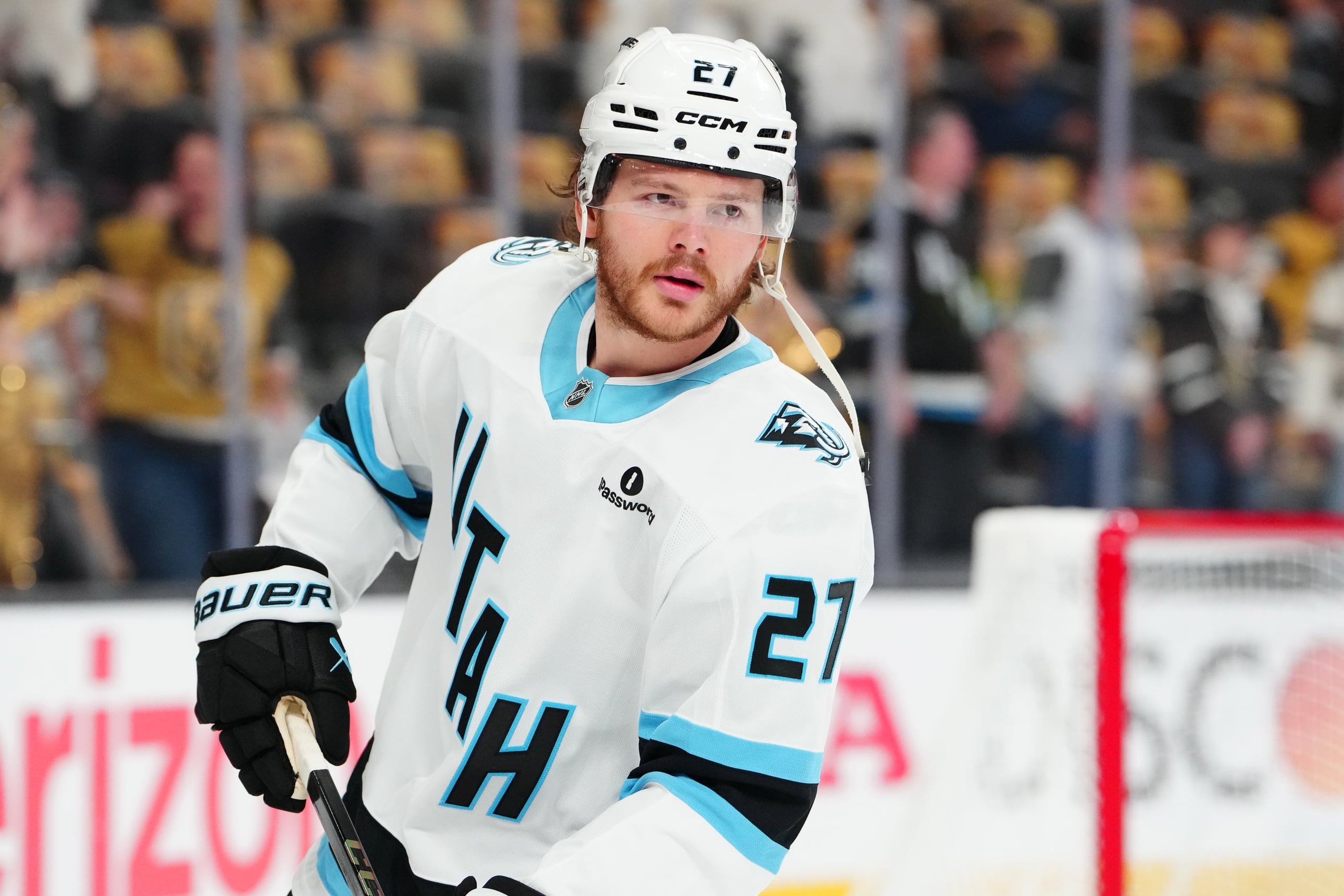
Image: courtesy of Sportsnaut
Devils Go All-In: Unpacking the High-Stakes Play for Immediate Stanley Cup Contention
The New Jersey Devils, under new General Manager Sunny Mehta, have signaled an aggressive push for immediate contention, tendering a one-year, $4.775 million offer sheet to Utah Mammoth center Barrett Hayton yesterday. This bold move followed closely on the heels of Mehta's first major transaction: trading promising young defenseman Simon Nemec for draft picks and defenseman Etienne Morin. These actions, coming after the recent firing of previous GM Tom Fitzgerald and the re-signing of captain Nico Hischier, indicate a fundamental shift in the Devils' strategy towards winning a Stanley Cup now.
Outlook
Background
The New Jersey Devils have undergone a significant overhaul in recent months, culminating in a clear mandate for immediate on-ice success. Former General Manager Tom Fitzgerald, who had been praised for building a promising young core, was fired recently, signaling a desire for quicker results. Sunny Mehta stepped into the GM role, and his initial actions underscore this urgency.
Yesterday, Mehta executed his first major trade, sending defenseman Simon Nemec to acquire draft picks and defenseman Etienne Morin. Nemec, a high draft pick with significant potential, was a key piece of the Devils' future. Moving him indicates a willingness to accelerate the team's timeline.
Following the Nemec trade, the Devils immediately tendered a one-year, $4.775 million offer sheet to Barrett Hayton, a skilled center from the Utah Mammoth. Hayton, 26, brings a two-way game and offensive upside that the Devils believe can bolster their center depth behind captain Nico Hischier. The timing of this move, just after clearing some cap space and draft capital, suggests a calculated effort to target a specific player deemed critical for a playoff run.
This aggressive approach is also set against the backdrop of the Devils recently locking up their captain, Nico Hischier, to a five-year, $58.5 million contract extension. Securing Hischier provides foundational stability as the new management makes these more volatile roster changes, suggesting a clear direction for the team's core while adding pieces around it.
See also
Precedents
Offer sheets are a rare but potent tool in the NHL, often seen as an aggressive tactic that can sour relationships between general managers. Historically, they are deployed sparingly, usually when a team identifies a specific restricted free agent who can immediately fill a critical need, and whose current team may be in a tight salary cap situation or reluctant to meet the player's market value. The compensation for an offer sheet is tied to its average annual value, with higher offers demanding more significant draft picks.
When an offer sheet is matched, it can strain a team's cap, forcing them to make other difficult decisions. When it's not matched, the acquiring team gains a player at a significant cost in draft capital. The last truly high-profile offer sheet was in 2019 when the Carolina Hurricanes offer-sheeted Jesperi Kotkaniemi, which was ultimately matched by the Montreal Canadiens. The move was widely seen as a retaliatory one after Montreal had offer-sheeted Sebastian Aho the previous summer.
New general managers frequently make bold moves early in their tenure to stamp their authority and reshape the team according to their vision. This often involves trading players inherited from previous regimes and aggressively pursuing talent they believe fits their championship window. The Devils' current moves align with this pattern, signaling a clear break from past strategies and an immediate focus on competition.
These moves by the New Jersey Devils represent a significant strategic pivot, with far-reaching implications for both the team and the broader NHL. For the Devils, it signals an unequivocal commitment to competing for the Stanley Cup in the immediate future, moving away from a longer-term rebuild that prioritized prospect development.
The trade of Simon Nemec, a first-round pick with considerable potential, is not just a roster adjustment; it's a statement about the team's timeline. It implies that the Devils are willing to leverage their future assets for present-day impact. This puts immense pressure on the current roster and coaching staff to deliver results, as the team has now invested heavily in a shorter competitive window.
The offer sheet for Barrett Hayton is a calculated risk. If successful, it provides the Devils with a proven two-way center, instantly improving their depth and potentially making them a more formidable opponent in the Metropolitan Division. However, if Utah matches, the Devils will have expended significant effort and potentially alienated a rival team without acquiring the player. The perceived aggression of the offer sheet could also lead to other teams being more willing to offer-sheet Devils' restricted free agents in the future, creating a cycle of high-stakes roster management.
Ultimately, this is a moment of clarity for Devils fans: the organization is no longer content with incremental progress. They are making a high-stakes play, and the success or failure of these moves will define the early tenure of GM Sunny Mehta and the direction of the franchise for years to come.
Scenarios
AnalysisThe immediate outcome of the Barrett Hayton offer sheet hinges entirely on the Utah Mammoth's decision, but beyond that, the Devils' aggressive posture sets up several scenarios.
One potential outcome is that Utah matches the offer sheet. The Mammoth, having a strong incentive to retain a player of Hayton's caliber and avoid losing him for a single second-round pick, may choose to meet the $4.775 million contract. This would force Utah to manage its salary cap more carefully, potentially leading to other roster moves for them. For the Devils, this means they would not acquire Hayton and would have spent a week in a high-profile, unsuccessful pursuit. However, they would have at least forced a division rival to commit significant money.
A second scenario is that Utah declines to match the offer sheet. If the Mammoth's cap situation is too tight, or if they believe the 2027 second-round pick is acceptable compensation for a player they might otherwise lose, they could let Hayton go. In this case, Hayton would join the New Jersey Devils, immediately bolstering their center depth. The Devils would then need to integrate him quickly into their system and manage their own cap space with the new addition, while also moving forward without the traded Simon Nemec.
A third, broader outcome, regardless of Utah's decision, is that this move recalibrates the market for restricted free agents and offer sheets. The Devils' willingness to use an offer sheet could signal to other GMs that this tactic is back on the table, potentially leading to more offer sheets across the league in future offseasons. This could create a more dynamic, albeit potentially more contentious, free agency period for years to come. It also puts pressure on other teams to protect their own restricted free agents more aggressively, either with early extensions or by ensuring ample cap space.
Timeline
Frequently Asked Questions
Discussion
Be the first to share your thoughts.