
Expect a game defined by the tension between American puck-possession efficiency and Canadian structural suppression. The match will likely serve as a tactical referendum, with scouts watching closely to see if Team USA’s disciplined transition game can dismantle Canada’s traditional, grit-heavy defensive posture. With the margins between these rosters thinner than ever, the outcome will likely hinge on special teams and the ability of goaltenders to handle high-danger opportunities under immense pressure.
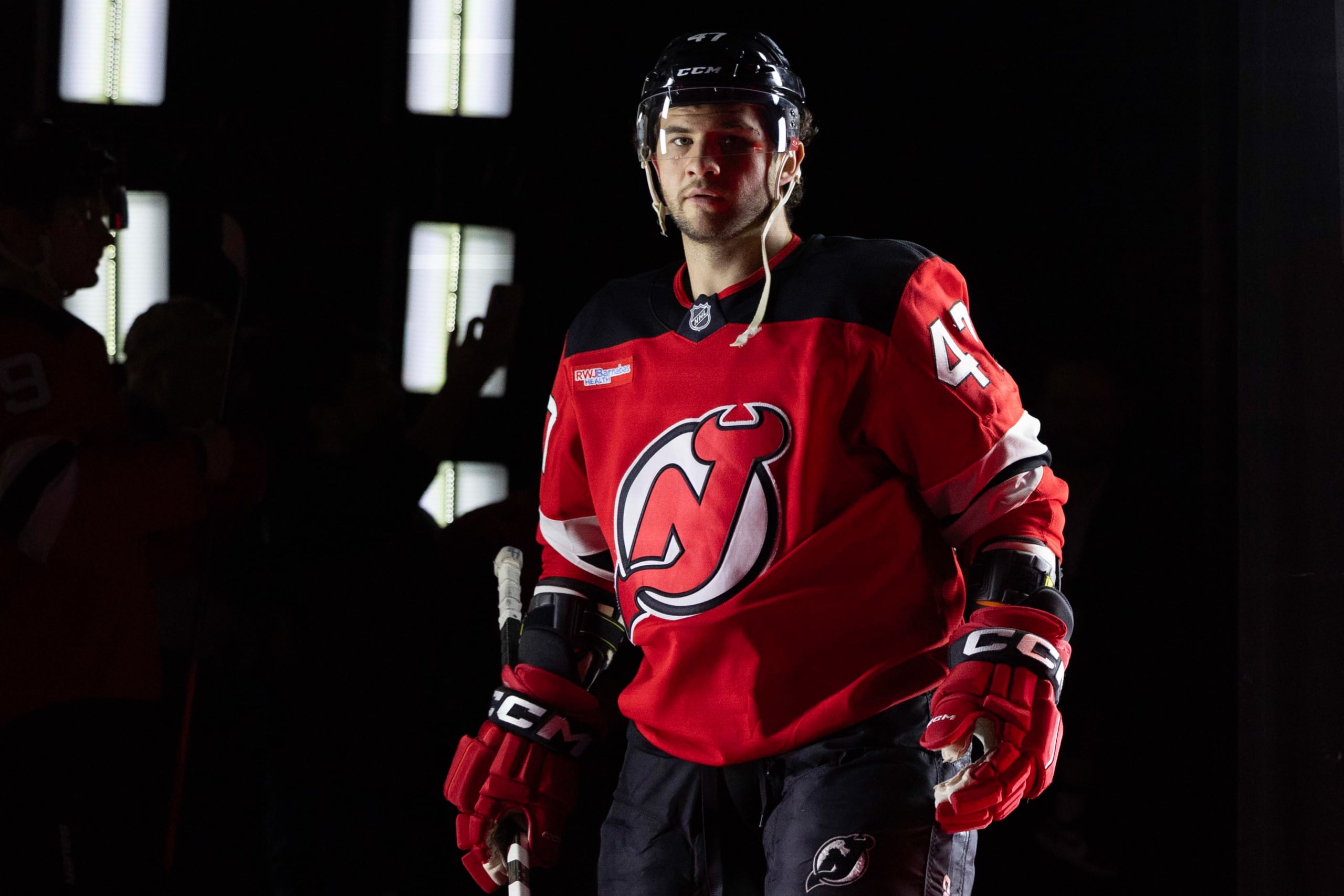
Image: courtesy of Sportsnaut
The New Reality of the USA-Canada Hockey Rivalry
Team USA’s current tactical evolution, anchored by standouts like Seamus Casey, has set the stage for a high-stakes showdown against Canada that represents more than just a tournament win; it is a clash of two distinct philosophies in modern hockey development.
Outlook
Background
The primary interest in this matchup lies in the shift of the American pipeline, which has evolved to produce players who combine technical refinement with the physical robustness once reserved for Canadian teams. NHL general managers are using this tournament as a live laboratory to evaluate how their prospects perform in high-leverage environments, with the performance of players like Casey serving as a proxy for their readiness to step into top-four NHL roles.
Precedents
History suggests that while talent is a prerequisite, these games are rarely won by individual highlight-reel plays. Much like the 2005 World Juniors or the 2017 tournament, the deciding factor is typically the grit of depth players and the composure of the goaltending corps. The rivalry has moved beyond the 2010-era focus on raw physicality and into an era where systemic discipline and zone-exit execution define the winner.
This encounter holds significant weight for the institutional future of both programs. For Hockey Canada, a loss would intensify the scrutiny surrounding their developmental pipeline and internal culture, potentially forcing a shift in coaching philosophy. For the United States, a win would validate their current trajectory, signaling that their model of high-efficiency, transition-oriented play is the new gold standard for international success at the senior and Olympic levels.
Scenarios
Analysis1. Tactical Standoff: A low-scoring, disciplined grind where a single defensive-zone error in the third period decides the game. 2. American Breakthrough: A high-tempo affair where USA’s zone-exit efficiency forces Canada out of their defensive structure, leading to a decisive, high-scoring win. 3. Canadian Grind: A physical slog where Canada successfully suppresses American speed, forcing the game to the boards and securing a victory through defensive attrition.
Timeline
Tournament Semifinals
The Collision Point
The inevitable convergence of the two deepest talent pools in the tournament as they face off in the bracket.
Post-Tournament
Institutional Review
National federations will evaluate their coaching philosophies and developmental strategies based on the tournament result.
Upcoming NHL Season
Prospect Transition
The performance in this game will directly influence the roster decisions of NHL general managers regarding the immediate promotion of their top prospects.
Frequently Asked Questions
Casey, often dubbed the 'Devils' Cotter' for his gritty, high-efficiency style, acts as the engine for the American blue line. His ability to control the transition game is the main reason Team USA is currently leading the tournament in zone-exit efficiency.
Discussion
Be the first to share your thoughts.