
The reported skepticism regarding the acquisition of a 3x All-Pro talent like Cooper indicates a nuanced direction for the Denver Broncos' roster construction. Rather than an aggressive pursuit of every available star, the team appears poised to weigh potential additions against the existing strengths of their roster, salary cap constraints, and the developmental trajectory of their current players. This approach suggests a focus on sustained competitiveness, even if it means passing on high-profile names that might not align perfectly with their strategic vision or financial parameters. Fans should expect the Broncos to continue making moves, but with an emphasis on targeted acquisitions and internal growth, especially considering their recent draft picks and exclusive rights signings.
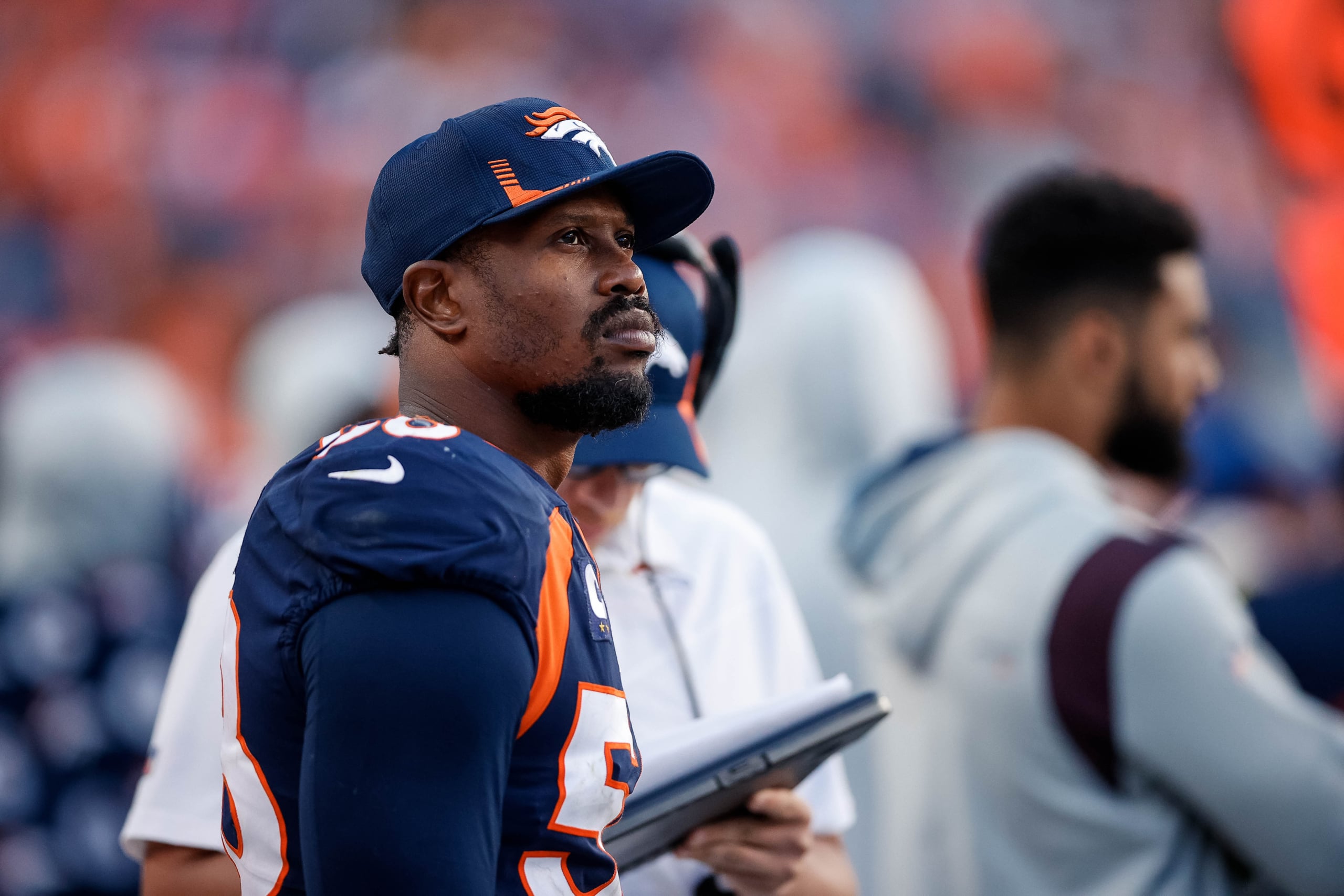
Image: courtesy of Sportsnaut
Broncos' Insider Signals Caution on 3x All-Pro Acquisition: What It Means for Denver's Roster Strategy
Amidst a wave of individual success, with the Denver Broncos tying a franchise record for Associated Press first-team All-Pro selections in mid-June 2026, an insider has recently cast doubt on the team's willingness to acquire a prominent 3x All-Pro player named Cooper. This hesitation comes despite the Broncos' active involvement in trades and signings, suggesting a calculated approach to roster building that prioritizes factors beyond raw talent, including potential financial implications and team fit. The insider's comments highlight the complex decisions facing a team looking to build on recent success without compromising long-term stability.
Outlook
Background
The Denver Broncos are coming off a highly successful regular season where they secured the No. 1 seed in the AFC. This strong performance was recognized with six players earning Associated Press All-Pro honors, including a franchise-record four first-team selections. The selections were announced in mid-June 2026, marking a significant achievement for the team's talent development and on-field execution.
However, a recent report from a Broncos insider on July 1, 2026, suggests the organization is hesitant about bringing in a specific 3x All-Pro player, identified as Cooper. The insider's rationale reportedly includes concerns about the player's overall situation, drawing a parallel to instances where high-profile players, such as Terrion Arnold with the Detroit Lions, faced release. This comparison implies a careful risk assessment, looking beyond a player's past accolades to evaluate their current value, contract, and potential impact on team chemistry and financial flexibility.
The Broncos have been active in the 2026 offseason, reflecting a commitment to strengthening their roster. On March 18, 2026, the team traded a first-round pick, a third-round pick, and a fourth-round pick to Miami, indicating a willingness to move significant draft capital for strategic purposes. They also made several selections in the 2026 NFL Draft, including linebacker Red Murdock with the 257th overall pick, tight end Dallen Bentley at 256th overall, and safety Miles Scott at 246th overall. These late-round picks suggest an emphasis on adding depth and potential developmental talent.
Further roster adjustments include signing defensive back Devon Key on April 30, 2026, and linebacker Dondrea Tillman on April 20, 2026, to exclusive rights contracts. Punter Jeremy Crawshaw was placed on the exempt/international player list on April 27, 2026. These moves, while minor, underscore the ongoing management of the 90-man roster as the team prepares for training camp. The question of whether the team will have room for emerging talents like cornerbacks Riley Moss and Ja’Quan McMillian also points to potential roster crunch at various positions, influencing decisions on external acquisitions.
See also
Precedents
NFL teams that achieve significant success, like the Broncos earning a No. 1 seed, often face a pivotal decision point: whether to aggressively pursue established stars to 'go all in' for a championship, or to continue building through the draft and strategic, value-based free-agent signings. Historically, both approaches have yielded championships, but with varying long-term consequences.
Teams that overspend on aging or risky veteran talent, particularly those with significant injury histories or declining production, often find themselves in salary cap trouble within a few years. The Saints' aggressive cap management in recent years, often pushing money into future seasons, provides a contemporary example of how acquiring high-priced talent can create future financial constraints. Conversely, teams like the Kansas City Chiefs, while retaining their core stars, have demonstrated a knack for finding value in the draft and through shrewd, less splashy free-agent moves to complement their top-tier talent.
The insider's caution regarding Cooper suggests the Broncos may be leaning towards the latter approach, prioritizing financial prudence and roster fit over the immediate allure of a big name. This strategy is common for teams that have recently hit their stride, as they aim to sustain success rather than experience a rapid decline after a brief peak. The comparison to players being released, like the mentioned Terrion Arnold, serves as a reminder that even highly decorated players can become cap casualties or not fit a team's evolving scheme, making careful evaluation paramount.
This reported hesitation around acquiring a 3x All-Pro player is more than just a single roster decision; it offers a window into the Denver Broncos' overarching philosophy for building a sustainable winner. For a team that just secured the top seed in the AFC and saw a record number of players earn All-Pro honors, the natural inclination might be to add more star power wherever possible. However, exercising caution with a player of Cooper's caliber suggests a deliberate long-term strategy.
It speaks to financial discipline, especially as the team navigates future contract extensions for its own rising stars. Overspending on an external veteran could limit their ability to retain key homegrown talent down the line. Furthermore, it highlights the importance of team chemistry and scheme fit. A highly decorated player might not always be the right piece for an existing locker room or a specific offensive/defensive system, regardless of individual talent. The decision reflects a management team focused on minimizing execution risk and maximizing the return on their capital allocation, both in terms of salary cap space and draft assets. For fans, it means understanding that the path to a Super Bowl might not always involve collecting the most individual stars, but rather building the most cohesive and financially sound team.
Scenarios
AnalysisThe insider's comments open several possibilities for the Broncos' roster strategy regarding 3x All-Pro Cooper:
1. The Broncos Pass on Cooper Entirely: This is the most direct implication of the insider's doubt. The team may conclude that Cooper's contract demands, perceived risk, or fit within their existing young and successful roster do not align with their long-term vision. In this scenario, the Broncos would likely continue to develop their internal talent, utilize their remaining cap space for more targeted, value-driven acquisitions, or save it for future extensions and flexibility. This outcome would reinforce a disciplined, measured approach to team building.
2. The Broncos Pursue Cooper Under Specific Conditions: While doubt exists, the team might still consider Cooper if the circumstances change significantly. This could involve a lower asking price from his current team, a willingness from Cooper to accept a more team-friendly contract, or a clearer understanding of his role and fit. This outcome suggests the Broncos are not entirely against acquiring star talent, but they are unwilling to overpay or take on undue risk, maintaining leverage in negotiations.
3. Cooper's Current Team Releases Him, Altering the Market: If Cooper's current team were to release him (as hinted by the Terrion Arnold comparison), it would change the dynamics of his acquisition. He would become a free agent, eliminating the need for trade capital and potentially lowering his salary demands as he seeks a new team. This scenario could make him a more attractive, lower-risk option for the Broncos, but it would also open him up to competition from every other NFL team.
Timeline
Frequently Asked Questions
Discussion
Be the first to share your thoughts.