
The immediate expectation is the official confirmation of Iliman Ndiaye's transfer to Manchester City, pending the successful completion of his medical examination this morning. Following this, attention will turn to how Ndiaye integrates into Pep Guardiola's squad and the role he is expected to play, particularly given City's pursuit of multiple attacking options. Concurrently, the focus will shift to Tottenham's efforts to secure Mykhailo Mudryk from Chelsea. Negotiations between the two London clubs could be intricate, involving valuation and player terms, but Spurs' clear intent indicates a determined push for a new winger before the transfer window closes.
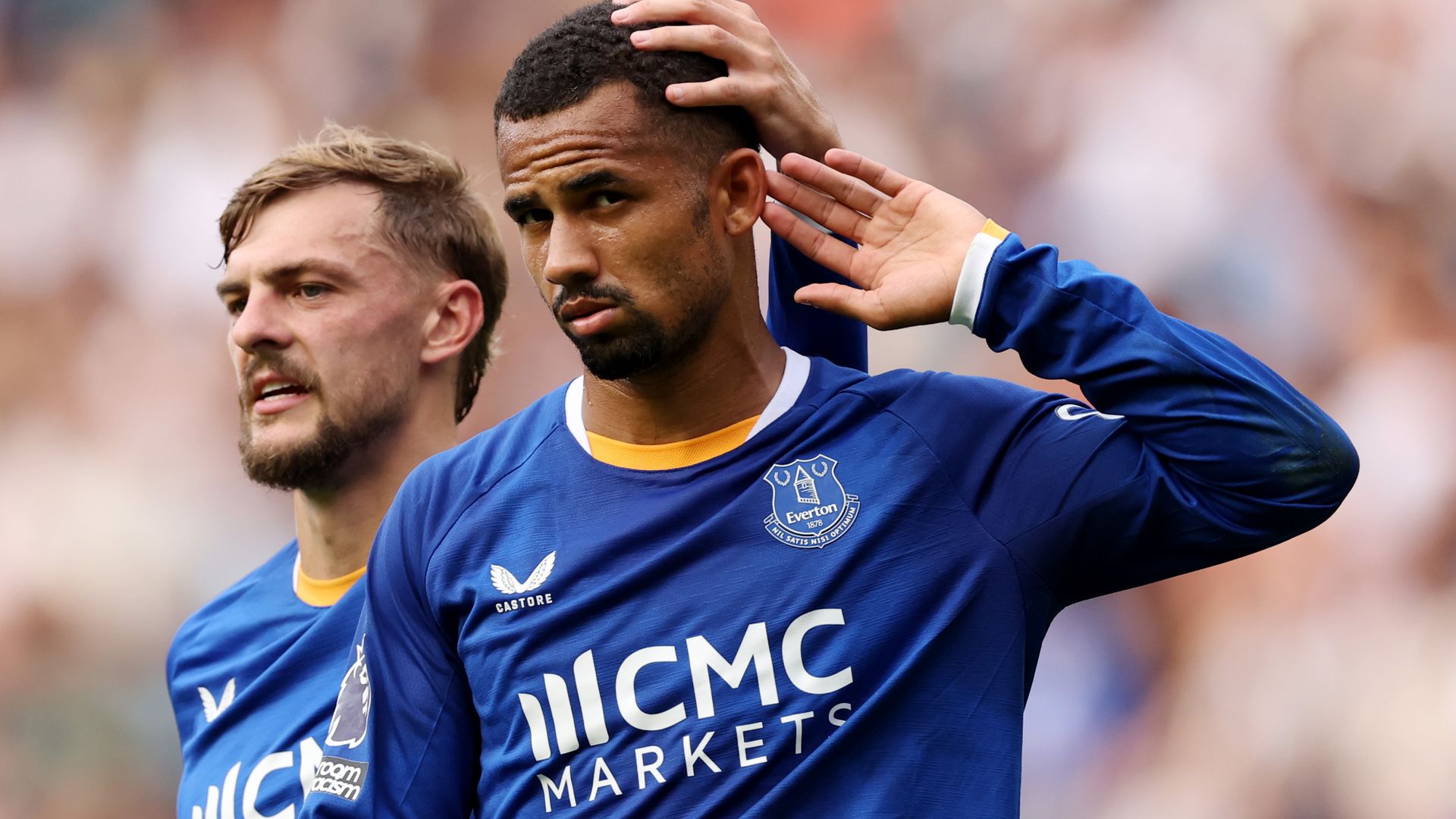
Image: courtesy of Sky sports
Man City's £65m Ndiaye Deal: A New Front in the Premier League's Arms Race and Spurs' Shifting Strategy
Manchester City has agreed a £65 million deal to sign winger Iliman Ndiaye from Everton, with the player's medical scheduled for today, September 1, 2026. This move comes after Tottenham Hotspur's earlier agreement for Ndiaye reportedly fell through due to complications with Richarlison's contract negotiations. Following this development, Tottenham has pivoted its focus, now targeting Chelsea's Mykhailo Mudryk to bolster its attacking options.
Outlook
Background
The Premier League transfer market remains a high-stakes arena, and the developments surrounding Iliman Ndiaye and Mykhailo Mudryk offer a clear snapshot of its competitive dynamics. Manchester City, fresh off another dominant season, has moved to acquire Iliman Ndiaye from Everton in a deal valued at £65 million. Sources confirm Ndiaye has agreed to the move, and his medical examination is booked for this morning, Tuesday, September 1, 2026. This acquisition represents a significant investment by City for a player who has shown considerable promise at Everton.
City's aggressive pursuit of Ndiaye follows a period where Tottenham Hotspur had seemingly been in pole position. Reports indicate that Tottenham had an earlier agreement in place for Ndiaye, but those plans unravelled. The breakdown is linked to the complex contract negotiations surrounding their own player, Richarlison, whose future at the club appears to have been intertwined with the Ndiaye deal. Once the path to Ndiaye became complicated, Tottenham quickly recalibrated its strategy.
Tottenham's revised focus is now firmly on Mykhailo Mudryk, the Ukrainian winger currently at Chelsea. This shift highlights Tottenham's urgent need to strengthen its wide attacking positions and reflects a willingness to engage in high-value transfers to achieve its squad objectives. Mudryk, a player with significant pace and dribbling ability, represents a different profile to Ndiaye, but one that Spurs management clearly believes can elevate their offensive output. Both these situations underscore the intense competition among top-tier clubs for talent, often leading to rapid changes in targets and substantial financial outlays as the transfer window draws to a close.
See also
Precedents
The scenario of top Premier League clubs engaging in last-minute, high-value transfers, and even 'gazumping' rivals, is a well-established pattern in modern football. Clubs like Manchester City and Tottenham consistently operate at the highest end of the market, driven by ambitions for domestic and European success. The willingness to spend £65 million on a single player, particularly a winger, reflects the premium placed on attacking talent capable of influencing tight matches and breaking down resilient defenses.
Historically, clubs in the Premier League's 'big six' often find themselves competing for the same pool of elite players. This rivalry frequently escalates as transfer deadlines approach, leading to inflated fees and swift negotiations. The 'gazumping' of Tottenham by Manchester City for Ndiaye is not an isolated incident; similar situations have played out in past windows, where a club with greater financial power or a more compelling sporting project steps in late to secure a target. This dynamic often forces the spurned club to quickly identify and pursue alternative options, as Tottenham is now doing with Mudryk.
Furthermore, the emphasis on squad depth, particularly for clubs competing in multiple competitions like the Premier League, Champions League, and domestic cups, drives these substantial investments. Manchester City, under Pep Guardiola, has consistently built a deep squad, ensuring quality options across all positions to manage fixture congestion and maintain performance levels throughout a demanding season. The acquisition of Ndiaye fits this pattern, adding another dimension to an already formidable attack. For Tottenham, the pursuit of Mudryk speaks to a similar need for depth and quality, especially after the reported complications with Richarlison and the initial Ndiaye deal. These patterns illustrate that strategic squad building, combined with opportunistic market maneuvering, defines how the Premier League's elite clubs approach each transfer window.
The movements of Iliman Ndiaye to Manchester City and Tottenham's subsequent pursuit of Mykhailo Mudryk are more than just individual player transfers; they reflect the shifting power dynamics and strategic priorities at the very top of English football. For Manchester City, the £65 million outlay for Ndiaye reinforces their unwavering commitment to maintaining a dominant squad, capable of challenging on all fronts. Adding a player of Ndiaye's profile, known for his directness and goal threat, provides Guardiola with another versatile attacking option, vital for managing the demands of a long season and keeping rivals on edge. It signals to the rest of the league that City is not resting on its laurels.
For Tottenham, the pivot to Mudryk after missing out on Ndiaye highlights both a proactive approach to recruitment and the inherent challenges of competing with financially superior clubs. The failure to secure Ndiaye, reportedly due to internal contract complexities with Richarlison, suggests that even meticulously planned deals can unravel. The swift shift to Mudryk, another high-value target, demonstrates the club's determination to secure top-tier talent, but also its agility in adapting to setbacks. The successful acquisition of Mudryk would offer a significant boost to Tottenham's attacking firepower, potentially helping them close the gap on their rivals for Champions League qualification.
Beyond the individual clubs, these transfers have broader implications for the Premier League's competitive balance. Everton, losing a key player like Ndiaye for a substantial fee, will face the challenge of reinvesting wisely to avoid a drop in quality. Chelsea, should Mudryk depart, would need to consider the financial gain against the loss of a player they invested heavily in not long ago, raising questions about their squad planning. The sheer sums involved – two potential £65 million deals for wingers – also underline the Premier League's immense financial strength and its ability to attract and retain elite talent, setting it apart from other European leagues. Ultimately, these moves are about competitive advantage, squad evolution, and the relentless pursuit of silverware, shaping the narrative for the season ahead.
Scenarios
AnalysisThe immediate future holds several potential outcomes stemming from these high-profile transfer dealings:
1. Iliman Ndiaye's Integration and Impact at Manchester City: Assuming his medical proceeds without issue today, Ndiaye will officially join Manchester City. The key question then becomes how quickly and effectively he integrates into Pep Guardiola's system. He could become an immediate starter, providing fresh impetus on the wing, or he might be gradually phased in, primarily offering squad depth and rotation options in what is a highly competitive attacking lineup. His performance will be closely watched by fans and analysts, especially given the significant transfer fee. A successful integration could see him contribute to City's title defense and Champions League ambitions, while a slower start might temper expectations.
2. Tottenham's Pursuit of Mykhailo Mudryk: Tottenham's focus on Mudryk represents a clear statement of intent. The club will likely engage in intense negotiations with Chelsea to secure the Ukrainian winger. One outcome is that Tottenham successfully lands Mudryk, potentially for a fee comparable to the Ndiaye deal, bringing a dynamic and pacey attacker into their squad. This would be a significant boost to their attacking options and help mitigate the disappointment of missing out on Ndiaye. However, Chelsea may prove to be a tough negotiator, potentially driving up the price or even refusing to sell to a direct rival, especially if they view Mudryk as a long-term asset. A breakdown in talks could force Tottenham to explore other targets, potentially leading to a less ideal signing or no further attacking reinforcement this window.
3. Financial and Squad Repercussions for Everton and Chelsea: For Everton, the £65 million fee for Ndiaye provides a substantial injection of funds. The immediate outcome for them is how effectively they reinvest this capital. They could use it to strengthen multiple areas of their squad, or they might seek a like-for-like replacement. The success of their transfer window will hinge on their ability to replace Ndiaye's attacking output. For Chelsea, if Mudryk is sold, they would recoup a significant portion of their initial investment, which could be used to balance their books or fund other transfers. However, it would also mean parting with a player with considerable potential, raising questions about their long-term squad planning and potentially weakening their attacking depth, especially if they do not immediately bring in a replacement.
Timeline
Earlier in the transfer window
Tottenham's Initial Interest in Iliman Ndiaye
Tottenham Hotspur reportedly reached an initial agreement or were in advanced talks to sign Iliman Ndiaye from Everton, positioning themselves as front-runners for the winger.
Recently (prior to Sep 1, 2026)
Ndiaye Deal for Spurs Falls Through
Tottenham's pursuit of Iliman Ndiaye reportedly collapsed, with sources linking the breakdown to complex contract negotiations involving Richarlison.
Recently (prior to Sep 1, 2026)
Manchester City Enters Ndiaye Race
Manchester City began advanced talks with Everton to sign Iliman Ndiaye, moving quickly after Tottenham's deal stalled.
2026-09-01
Man City Agrees £65m Deal for Ndiaye
Manchester City reaches a full agreement with Everton for a £65 million transfer package for Iliman Ndiaye. The player gives his 'YES' to the move.
2026-09-01
Ndiaye Medical Scheduled
Iliman Ndiaye's medical examination with Manchester City is booked for this morning, Tuesday, September 1, 2026, a crucial step before the official announcement.
Recently (prior to Sep 1, 2026)
Tottenham Shifts Focus to Mykhailo Mudryk
Following the collapse of the Ndiaye deal, Tottenham Hotspur turns its attention to Chelsea's Mykhailo Mudryk as its primary target for attacking reinforcement.
Frequently Asked Questions
Iliman Ndiaye is a Senegalese international winger, previously playing for Everton in the Premier League. Known for his pace, dribbling ability, and goal-scoring threat, he has emerged as a promising attacking talent in recent seasons.
Discussion
Be the first to share your thoughts.