
The 2026-27 UEFA Europa League and Conference League campaigns will operate under an expanded 'league phase' format, replacing the traditional group stage. This means each team will play eight different opponents – four home and four away – over the course of the autumn. This new structure significantly increases the number of high-stakes European fixtures, demanding greater squad depth and tactical flexibility from participating clubs. For teams like Bournemouth, Sunderland, and Brighton, who are relatively new to consistent European football, this represents a substantial step up in the competitive calendar. The sheer volume of matches, often against historically stronger or more experienced European sides, will be a defining factor. Managers will face tough decisions on squad rotation, balancing the desire for European progression with the imperative of maintaining strong domestic league form. Injuries and player fatigue are almost certain to become central themes as the season progresses, particularly for clubs without the deepest financial resources or largest rosters.
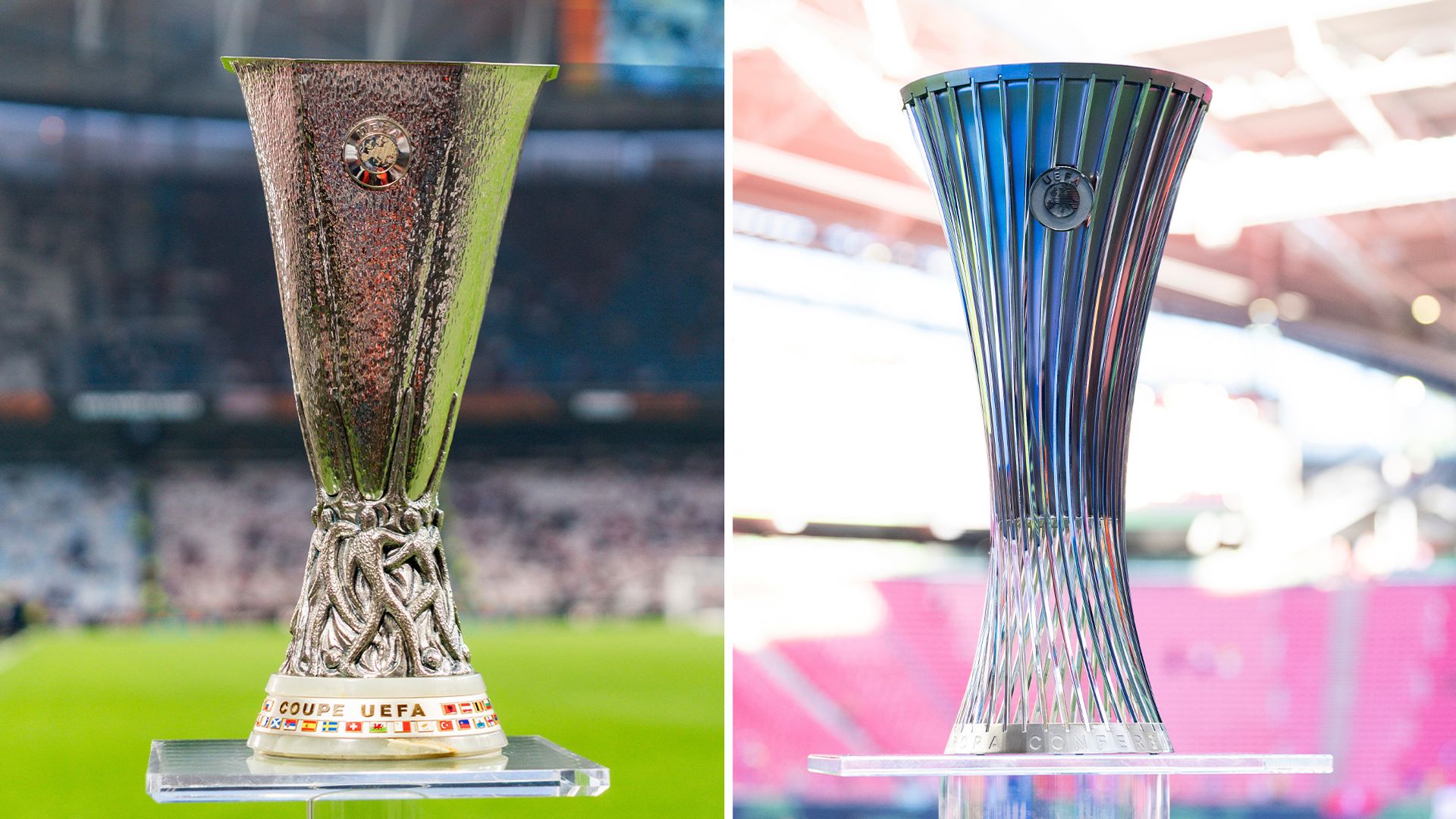
Image: courtesy of Sky sports
Beyond the Draw: What Europa and Conference League Opponents Mean for British Clubs' European Campaigns
Five British clubs — Bournemouth, Sunderland, Crystal Palace, Brighton, and Hearts — learned their opponents for the UEFA Europa League and Conference League group stages yesterday. The draws, which took place on August 28, 2026, have set up challenging fixtures for several teams, notably pitting both Bournemouth and Sunderland against Italian giants AC Milan. Brighton and Scotland's Hearts will both face Monaco in the Conference League, while Crystal Palace drew Real Sociedad. These matchups will test squad depth and tactical prowess as clubs navigate the demands of European competition alongside their domestic league schedules.
Outlook
Background
The draws, held yesterday, August 28, 2026, laid out the paths for five British teams. Bournemouth and Sunderland, both Premier League sides, drew AC Milan. This is a significant draw, placing them against a club with a storied European history, including seven Champions League titles. For Crystal Palace, their Europa League challenge comes from Real Sociedad, a consistently strong performer in Spain's La Liga. Brighton, meanwhile, will test their mettle in the Conference League against Monaco, a club with a rich European pedigree from France's Ligue 1. Scottish Premiership side Hearts also drew Monaco in the Conference League, setting up a dual challenge for the French club.
The financial incentives of European football are considerable, offering prize money for participation, wins, and progression, along with increased broadcast revenues. For clubs like Brighton and Hearts, these funds can be crucial for development and stability. For the Premier League teams, while the financial boost is welcome, the primary driver is often prestige, player development, and the ability to attract higher-calibre talent. The new league phase format, with its increased number of games, also presents more opportunities for revenue generation through ticket sales and hospitality. However, this comes at the cost of increased travel demands and physical strain on players, which can have downstream effects on domestic league performance. The challenge for these British clubs will be to balance these competing pressures effectively.
See also
Precedents
History offers a mixed picture for British clubs entering European competitions, especially those outside the traditional 'big six' of the Premier League. Often, teams making their debut or returning after a long absence find the dual demands of European and domestic football taxing. The additional travel, the different tactical approaches of continental opponents, and the sheer physical toll can lead to a dip in league form. There's a well-observed pattern where clubs, particularly those aiming for mid-table safety in the Premier League, might find themselves in a relegation scrap if they over-exert themselves in Europe.
Conversely, a strong European run can galvanise a squad, boost confidence, and attract new fans and commercial partners. For Scottish clubs like Hearts, the financial disparity with top-tier European leagues means that any progression in the Conference League is a significant achievement, both financially and in terms of profile. Historically, clubs that manage their squads effectively, rotating key players and integrating academy talent, tend to fare better. Those that push their first XI too hard often pay the price later in the season. The challenge for managers is to learn from these past patterns and devise strategies that allow for both European ambition and domestic stability.
The outcome of these European campaigns will shape the narratives and fortunes of these five British clubs for the season. For Bournemouth and Sunderland, drawing AC Milan means an immediate, high-profile test against a global footballing brand. Success, or even competitive performances, against such an opponent could significantly boost their club's profile, attract new talent, and energise their fan bases. Conversely, heavy defeats could expose squad limitations and impact morale.
For Brighton and Crystal Palace, strong runs in the Conference and Europa Leagues respectively offer tangible financial rewards that can be reinvested into infrastructure, player contracts, or future transfers. Beyond money, European exposure is a powerful tool for player development, providing young talents with experience against diverse opposition in high-pressure environments. This can accelerate their growth and increase their market value.
For managers, these European campaigns are a litmus test of their tactical adaptability and squad management skills. Navigating the new, expanded league phase format, with its increased fixture congestion, will require careful planning and difficult decisions. The ability to balance domestic league priorities with European aspirations will be crucial to their job security and the overall success of the club. Ultimately, these draws are not just about who plays whom; they are about the broader strategic direction of each club, their financial health, and their standing on the continent.
Scenarios
AnalysisOne possible outcome is that several British teams rise to the challenge, leveraging the excitement and experience of European football to fuel strong performances both domestically and abroad. Clubs like Brighton, with a reputation for smart recruitment and tactical innovation, could find their stride in the Conference League, potentially progressing to the knockout rounds and using the momentum to solidify their Premier League status. Bournemouth and Sunderland, while facing a formidable AC Milan, might deliver spirited performances against other opponents in their league phase, gathering valuable points and experience. This could lead to a net positive, with increased revenue, higher player valuations, and a boost in club prestige.
Another scenario suggests a more challenging campaign, particularly for those clubs with less established European experience or shallower squads. The increased fixture load from the new league phase format could lead to player fatigue, injuries, and a subsequent dip in domestic league form. For teams like Crystal Palace or even Bournemouth and Sunderland, the demands of the Europa League against high-calibre opposition could divert focus and resources away from their primary objective of Premier League stability. This might result in early European exits and a more arduous fight for league survival, testing the resolve of both players and management.
A third possibility is a mixed bag, where some teams exceed expectations while others struggle. Hearts, for example, could find the Conference League a valuable learning experience, even if progression is tough against Monaco. For the Premier League sides, the season might become a balancing act, with managers making strategic choices to prioritise one competition over another at different points in the season. This could mean strong cup runs at the expense of league position, or vice-versa, leading to a season of fluctuating fortunes and tactical compromises.
Timeline
Frequently Asked Questions
Discussion
Be the first to share your thoughts.