
Veridact
TechSportsFinanceGaming🎯 PredictionsAbout
Sign InSign Up
Veridact

Analysis before the headline. Veridact examines technology, finance, sports, and gaming events before they unfold through forecasting, probability modeling, historical precedent, and public prediction tracking.

Stay ahead of what's next

Forecasts, analysis, and prediction updates delivered to your inbox.

Coverage

  • Tech
  • Sports
  • Finance
  • Gaming

Company

  • About Us
  • Privacy Policy

© 2026 Veridact. Forecasting & analysis platform.

Content may include AI-assisted research and analysis. Predictions and opinions should not be considered financial, legal, medical, or investment advice.

gaming
Xbox Just Started Testing A New Game Pass Feature To Deal With One Of Modern Gaming’s Most Annoying Issues

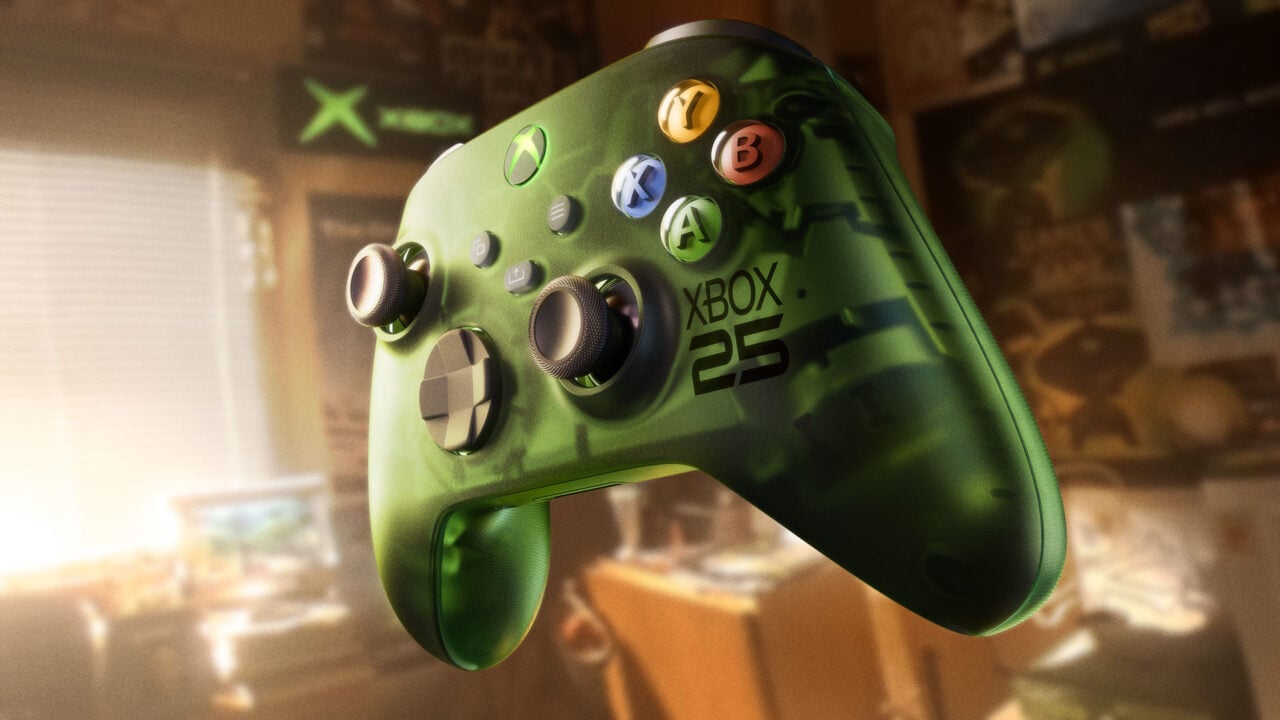
Image: courtesy of Kotaku

gamingJune 25, 2026By Veridact EditorialUpdated Jun 25

Xbox Quietly Tests Cloud Streaming Feature to Eliminate Day-One Game Downloads for Game Pass Ultimate

Xbox has begun testing a new feature for its Game Pass Ultimate subscribers that aims to resolve one of modern gaming's persistent frustrations: the long wait times for game downloads and updates. The experimental service leverages cloud streaming to provide immediate, day-one access to new titles, bypassing the need for players to install massive files locally on their consoles or PCs.

Outlook

The core of this new feature is immediate gratification. For Xbox Game Pass Ultimate subscribers, the promise is simple: when a new game launches on Game Pass, players will no longer need to wait for a multi-gigabyte download to complete before they can start playing. Instead, the game will be instantly playable via cloud streaming. This means the game's processing and rendering will happen on Microsoft's remote servers, with the video feed streamed directly to the player's device – whether it's an Xbox console, a PC, or a supported mobile device.

This initiative is not about introducing day-one access for new games; Game Pass Ultimate already offers that. The innovation lies in how that access is delivered. Players can expect to click 'play' on a brand-new title and be in the game within moments, similar to how streaming services like Netflix or Spotify work. The testing phase suggests Xbox is refining the technical backbone, focusing on latency, visual quality, and overall responsiveness to ensure a smooth experience that rivals local play. If successful, this could fundamentally change the initial experience of launching a major new release, removing a significant barrier to entry for players eager to jump in.

Background

The move by Xbox to address update wait times through cloud streaming speaks to a fundamental shift in how games are consumed and distributed. Modern video games are enormous. Major titles frequently exceed 100 gigabytes, and day-one patches can add tens of gigabytes more. For many players, especially those with slower internet connections or data caps, downloading these files can take hours, if not an entire day. This creates a frustrating barrier between a player's excitement for a new release and their ability to actually play it.

Xbox Game Pass has been Microsoft's central strategy for years, aiming to be the 'Netflix of gaming.' Offering hundreds of titles, including Xbox-owned first-party games on day one, it has attracted millions of subscribers. The Ultimate tier expands this further by bundling PC Game Pass, EA Play, Ubisoft+ Classics, and cloud gaming capabilities, allowing subscribers to stream many titles from the existing library. This new test builds directly on that existing cloud infrastructure, extending the 'play anywhere, instantly' promise to the most anticipated new releases.

The technical challenge for such a feature is significant. Cloud gaming demands robust server infrastructure, low-latency network connections, and efficient video compression to deliver a high-quality, responsive experience. Microsoft has invested heavily in its Azure cloud platform, which underpins its Xbox Cloud Gaming services. This testing phase indicates a push to optimize that technology further for the demanding requirements of brand-new, graphically intensive titles, where even minor input lag can severely impact gameplay. The company aims to make the 'day one' experience truly instantaneous, removing the logistical friction that has become an accepted, if annoying, part of the modern gaming cycle.

See also

Call of Duty: Modern Warfare 4 finally revealed, and it's officially leaving last-generation consoles behind→Everything We Know About Call Of Duty: Modern Warfare 4: Campaign, Multiplayer, And DMZ→Infinity Ward sneakily offers first look at Modern Warfare 4 multiplayer gameplay, and apparently it's all about movement now→

Precedents

The history of video game distribution is a story of continuous evolution, driven by technological advancements and consumer demand for convenience. It began with physical cartridges and discs, which offered immediate play but came with limitations like storage and vulnerability to damage. The advent of digital distribution, pioneered by platforms like Steam in the early 2000s and later by console digital storefronts, removed the physical medium but introduced the era of large downloads and mandatory installations. This was a trade-off: greater convenience in acquisition, but new friction in access.

Cloud gaming, while still a niche, represents the next logical step in this evolution. Services like OnLive and Gaikai (later acquired by Sony) experimented with streaming games over a decade ago, often struggling with internet infrastructure limitations and consumer skepticism. Google Stadia made a significant, if ultimately unsuccessful, attempt to bring cloud gaming to the mainstream. However, Xbox Cloud Gaming (formerly xCloud) has steadily built out its capabilities as part of the broader Game Pass ecosystem, leveraging Microsoft's vast Azure data centers.

Historically, companies that successfully reduce friction for consumers often gain significant market share. Netflix revolutionized movie and TV consumption by eliminating the need to visit a video store or wait for downloads. Spotify did the same for music. For gaming, the 'friction' has largely shifted from discovery and purchase to downloading and updating. Xbox's move to offer cloud streaming for day-one titles directly addresses this. It mirrors the industry's broader push towards subscription services and 'always-on' digital experiences, where access speed and convenience are paramount. The success of previous 'day-one' game releases on Game Pass (such as Ascend to ZERO, Bluey’s Happy Snaps, and Halo: Campaign Evolved mentioned in the web context) provides a foundation, but the cloud streaming aspect is an additional layer of convenience, aiming to complete the 'instant access' promise.

This isn't just a minor feature update; it's a strategic move that could reshape how players interact with new games and further solidify Xbox's position in the subscription economy. For players, it means less time staring at a download bar and more time actually playing. This removes a significant barrier to trying new titles, potentially increasing engagement with Game Pass and encouraging players to sample games they might otherwise have skipped due to download size or installation hassle.

For Microsoft, the implications are even broader. By pushing cloud streaming for day-one releases, Xbox is subtly nudging its user base further into its cloud ecosystem. This reduces reliance on console hardware cycles, as the quality of the gaming experience becomes less tied to the processing power of a local machine and more dependent on the strength of a player's internet connection and Microsoft's server farms. This could make Game Pass an even more compelling offering for those who don't own the latest Xbox console, or who prefer to play across multiple devices.

Furthermore, this move intensifies the competition with rivals like Sony and Nintendo. While Sony offers its own cloud streaming for a subset of PlayStation Plus Premium games, it has not yet fully committed to day-one cloud streaming for major new releases. Nintendo's strategy remains heavily focused on unique hardware and local play. If Xbox can deliver a consistently high-quality, instant cloud experience for new titles, it creates a powerful differentiator for Game Pass Ultimate, potentially attracting more subscribers and strengthening its position as the leader in gaming subscriptions. It also puts pressure on internet service providers to deliver faster, more reliable connections, as the quality of the cloud gaming experience is directly tied to network performance. The success or failure of this test could dictate the pace of cloud gaming adoption across the entire industry for years to come.

Scenarios

Analysis

One immediate outcome, should this feature see a successful wider rollout, is a significant boost in Game Pass Ultimate subscriber satisfaction and potentially, growth. Players who value convenience and instant access are likely to find the service more appealing, reducing churn and attracting new users who are tired of lengthy downloads. This would reinforce Microsoft's cloud-centric strategy and could lead to increased investment in its Azure cloud infrastructure specifically for gaming.

However, a different scenario could see the feature face technical limitations or user adoption hurdles. Cloud gaming, despite advancements, still contends with issues like input latency, variable visual fidelity depending on connection quality, and the simple preference many core gamers have for local installations. If the streaming experience for day-one titles doesn't consistently meet player expectations for performance and responsiveness, the feature might see limited uptake or even generate negative feedback, forcing Xbox to refine or scale back its ambitions. This would highlight the ongoing challenges of delivering a truly seamless cloud gaming experience at scale, especially for fast-paced, graphically demanding new releases.

A third possibility is that this feature could lead to new pricing tiers or bundles within the Game Pass ecosystem. If the 'instant cloud play' for new releases proves exceptionally popular and resource-intensive, Xbox might introduce a 'Premium+' tier that guarantees the absolute best cloud experience, or it could become a standard, expected part of the highest Game Pass subscription, further solidifying the value proposition of Game Pass Ultimate.

Timeline

2026-06-24
Xbox Begins Cloud Streaming Feature Testing
Xbox initiated testing of a new Game Pass Ultimate feature designed to offer day-one access to new releases via cloud streaming, aiming to eliminate download wait times.
2026-06-30
Monopoly: Star Wars Heroes vs. Villains Release
A notable new game, Monopoly: Star Wars Heroes vs. Villains, is scheduled for release on PC, PS5, XBX, and NS2, providing a general context for upcoming day-one titles.
2026-Q2
Freestyle Football 2 Debuts on Game Pass
Freestyle Football 2 is slated to launch on Game Pass during the second quarter of 2026, serving as an example of a new title arriving on the service.

Frequently Asked Questions

Xbox is testing a new cloud streaming capability for Game Pass Ultimate subscribers that allows instant, day-one access to new game releases without requiring a large download or installation on a local device.

Discussion

0/100
0/1000

Be the first to share your thoughts.

Related Coverage

gaming

Marathon Bets on 'Vault Breaker' PvE Mode to Win Back Players

Jun 25
gaming

Sony Begins Major Cleanup of PlayStation Store, Delisting Over 1,000 Low-Quality Games

Jun 25
gaming

God of War: Laufey Shatters Series Formula, Putting Faye and a Talking Cube at the Forefront

Jun 25
gaming

Final Fantasy XIV's Latest Patch Quietly Fixed a Major Ultimate Raid Headache

Jun 24

Stay ahead of the story

AI analysis delivered before events unfold. No spam.

ⓘ

Methodology: Veridact combines public data, historical precedent, and analytical models to evaluate the likelihood of future outcomes.