
Players should expect a continued, if perhaps more cautious, push from PlayStation into online, evolving game experiences. This means more first-party and third-party live-service titles will likely be announced and released for the PlayStation 5 and PC in the coming years. Sony's strategy suggests a willingness to invest heavily in this genre, potentially leading to both new major successes and further high-profile failures as the company refines its approach. The emphasis on "revitalizing the market" indicates an intent to innovate beyond current live-service models, though the specifics of that innovation remain unclear.
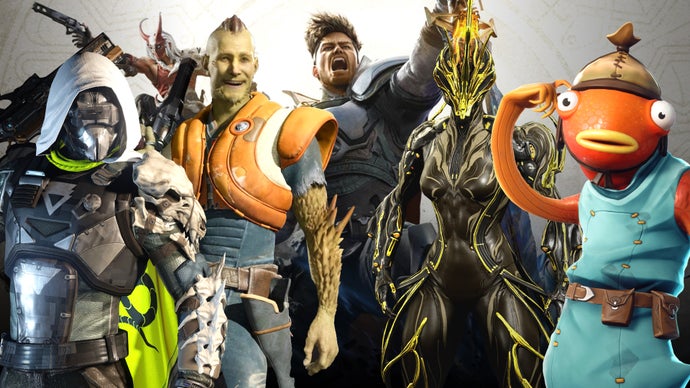
Image: courtesy of EuroGamer
Sony Doubles Down on Live-Service Games: Why PlayStation Can't Afford to Quit, Despite the Failures
Despite a string of high-profile setbacks and recent layoffs at its acquired studios, Sony Interactive Entertainment's president, Hideaki Nishino, has publicly reaffirmed PlayStation's deep commitment to live-service games. Nishino stated on June 28, 2026, that these online multiplayer titles are crucial for reaching a global audience and revitalizing the market, with a focus on PlayStation 5 and PC platforms. This stance comes even as the company grapples with past disappointments like *Concord* and *Marathon*, and the recent shutdown of another long-running live-service title, alongside staffing reductions at Bungie, a studio acquired specifically for its live-service expertise.
Outlook
Background
Sony Interactive Entertainment president Hideaki Nishino confirmed PlayStation's ongoing commitment to live-service games on June 28, 2026. This announcement followed a period marked by significant challenges in the live-service space for Sony. The company has seen titles like Concord from Firewalk and Bungie's Marathon fail to meet internal or player expectations. Just this past week, in a development that cast a shadow over Nishino's optimistic outlook, Bungie, the studio behind Destiny 2 and purchased by Sony for its live-service acumen, announced further layoffs. Moreover, another PlayStation live-service game, which had been operational for nearly the entire PlayStation 5 generation, was confirmed for shutdown. Nishino's comments stressed the importance of live-service games for global reach and market revitalization, with a strategic focus on the PlayStation 5 console and PC. He also clarified that single-player first-party titles will remain a vital part of PlayStation's content strategy. This dual focus suggests Sony is not abandoning its traditional strengths but is determined to carve out a larger, more profitable segment in the live-service sector.
Precedents
The pursuit of live-service games by major publishers is not new, nor are the struggles. Companies like Electronic Arts, Activision Blizzard, and Ubisoft have long invested in online, evolving titles, with varying degrees of success. For every Fortnite or Destiny 2, there are dozens of titles that launch to little fanfare and are quickly abandoned. The appeal for publishers is clear: live-service games offer recurring revenue streams, extended player engagement, and the potential to build long-term communities, moving beyond the one-time sale model of traditional single-player games. Sony itself has a mixed history with online components, from the early days of PlayStation Home to the consistent success of MLB The Show's online modes. However, its recent attempts to launch new, large-scale live-service intellectual properties have largely faltered, indicating a difficult transition from its established strength in narrative-driven single-player blockbusters. The acquisition of Bungie in 2022 for $3.6 billion was a clear signal of Sony's strategic intent to lean into this model, leveraging a studio with proven expertise. The subsequent layoffs at Bungie, however, reveal the operational complexities and financial pressures even successful live-service studios face when trying to scale or innovate under new ownership. This pattern of ambition, significant investment, and then retrenchment is common in the volatile live-service market.
Sony's unwavering commitment to live-service games, despite its recent track record, signals a fundamental shift in the company's long-term content strategy. For a company that built its reputation on cinematic, single-player experiences, this pivot represents a significant re-allocation of resources and creative energy. It implies that future PlayStation consoles and game libraries will increasingly feature online multiplayer titles designed for sustained engagement and monetization. This affects developers, who will face pressure to design games with longer lifecycles and community features. It impacts players, who will see a greater variety of online experiences but also the risk of investing time and money into games that may not last. Critically, the "revitalize the market" ambition suggests Sony believes there is still untapped potential or a different way to execute live-service games that could yield massive returns, potentially altering the competitive landscape if they succeed. The financial stakes are enormous, given the high development costs and the potential for recurring revenue if a hit is found.
Scenarios
AnalysisOne path for Sony involves a gradual refinement of its strategy, leading to niche successes. This could mean focusing on smaller, more manageable live-service projects or integrating live-service elements into established, successful franchises. This approach might allow PlayStation to build its expertise and infrastructure in the live-service space more organically, potentially leveraging its strong first-party studios to create unique experiences that differentiate them from competitors.
Alternatively, Sony could achieve a breakthrough hit, launching a new live-service intellectual property that captures a significant global audience. Such a success would validate Nishino's vision, substantially boost PlayStation's recurring revenue, and establish Sony as a major player in the live-service market. This outcome would likely require significant innovation in game design, strong post-launch content support, and a compelling monetization model.
However, a third outcome remains possible: continued struggles. Despite the renewed commitment, upcoming live-service titles could continue to underperform, failing to attract and retain large player bases. This would lead to further financial losses, studio closures or restructuring, and potentially force Sony to scale back its live-service ambitions or alter its acquisition strategy. The company might then redefine "live-service" to more subtle, ongoing content updates for existing single-player titles rather than launching new, dedicated online experiences.
Timeline
2022-01-31
Bungie Acquisition Announced
Sony Interactive Entertainment announces its intent to acquire Bungie, the studio behind Destiny 2, for $3.6 billion, signaling a major push into live-service gaming.
2023-08-01
Bungie Acquisition Finalized
Sony officially completes the acquisition of Bungie, bringing a proven live-service developer into its first-party studio network.
2024-05-24
Marathon Gameplay Reveal
Bungie reveals gameplay for Marathon, a new extraction shooter live-service title, generating initial buzz but also questions about its genre fit.
2025-06-01
Concord First Look
Firewalk Studios' Concord, a 5v5 hero shooter, is showcased, with expectations for it to be one of Sony's next major live-service releases.
2026-06-25
Bungie Layoffs Reported
Reports emerge of further layoffs at Bungie, raising concerns about the studio's projects and Sony's live-service strategy.
2026-06-28
Nishino Reaffirms Live-Service Commitment
Sony Interactive Entertainment president Hideaki Nishino publicly states PlayStation's continued dedication to live-service games despite past setbacks.
2026-06-28
Live-Service Game Shutdown Announced
A long-running PlayStation live-service title, active for nearly the entire PS5 generation, is confirmed for shutdown, further highlighting Sony's struggles in the sector.
Frequently Asked Questions
Live-service games are titles designed for ongoing engagement, typically through regular content updates, seasonal passes, in-game events, and often microtransactions. Unlike traditional games with a finite story, they aim to keep players active for months or years, creating a continuous revenue stream.
Discussion
Be the first to share your thoughts.