
This piece will explore the implications of Obsidian's "Karma Police" design philosophy for players and the broader RPG genre. It will delve into the challenges of balancing complex skill systems, how this approach enhances replayability, and what it suggests about the future direction of player-centric game development at Obsidian and potentially other studios. We will examine why this level of internal scrutiny is crucial for games like Fallout: New Vegas and how it shapes the player experience.
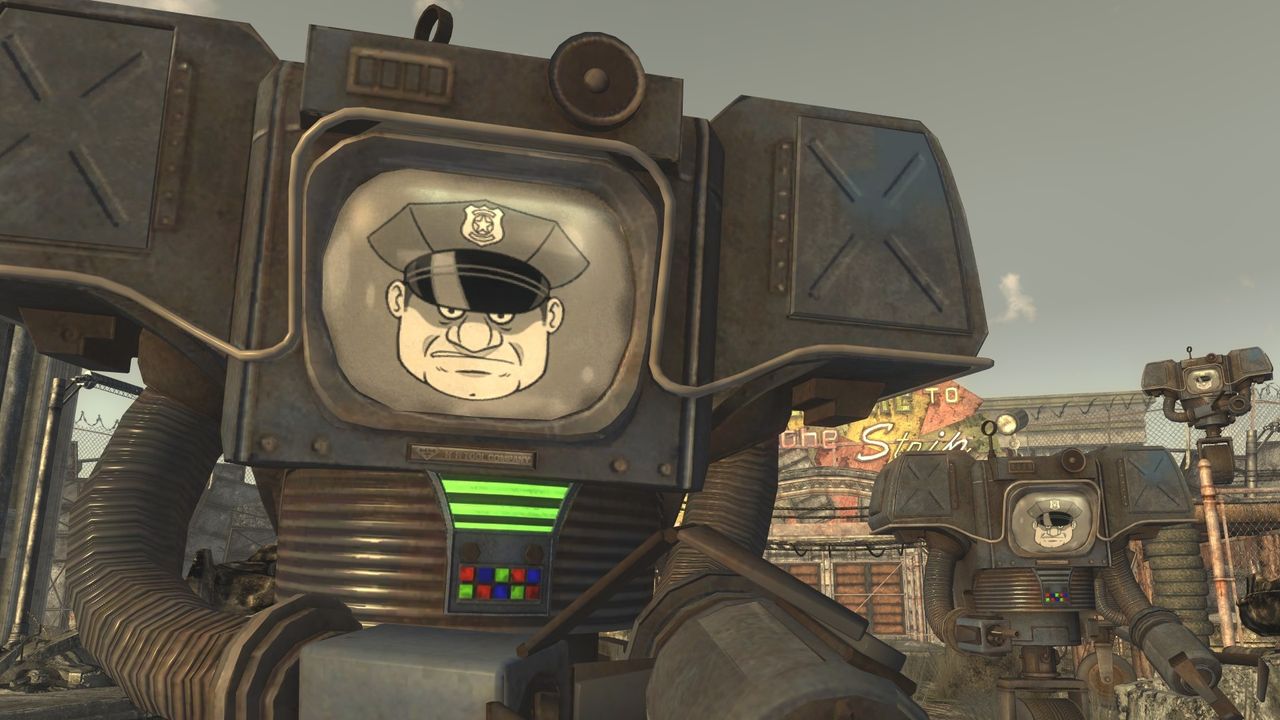
Image: courtesy of PC Gamer
Beyond the 'Karma Police': What Obsidian's Unique Approach to RPG Design Means for Player Choice
Josh Sawyer, director of *Fallout: New Vegas*, revealed that Obsidian Entertainment employs a dedicated team, unofficially dubbed "Karma Police," to ensure every skill within their role-playing games offers meaningful gameplay opportunities. This internal review process, confirmed by Sawyer yesterday, involves scrutinizing game scripts to verify that diverse player builds are not left underserved, aiming to maintain the value of player agency over strict statistical balance.
Outlook
Background
The revelation about Obsidian's "Karma Police" comes from Josh Sawyer, the director behind the critically acclaimed Fallout: New Vegas. Sawyer disclosed this internal process yesterday, June 28, 2026, explaining that the team's role is to review game content, specifically scripts, to confirm that every skill a player might choose to invest in has sufficient "cool stuff to do." This is not about achieving perfect numerical equilibrium across all skills, but rather preventing any skill from becoming functionally useless or neglected, thereby upholding player choice as a central tenet of their RPG design. Fallout: New Vegas is renowned for its intricate web of choices, consequences, and diverse character build possibilities, making this insight into Obsidian's development practices particularly relevant.
See also
Precedents
The challenge of balancing diverse player skills and choices is a long-standing issue in role-playing game development. Historically, many RPGs have struggled with "optimal" builds, where a few skills become overwhelmingly powerful while others are rarely used, leading to a diminished sense of player agency for those who prefer less conventional paths. Early CRPGs often had stark imbalances, and even modern titles frequently face criticism for skill trees that contain "dead ends" or redundant abilities. Companies like BioWare, Bethesda, and CD Projekt Red have all grappled with ensuring player choices feel meaningful, often through extensive playtesting and post-launch patching. Obsidian, known for its deep, choice-driven narratives and complex systems in games like Pillars of Eternity, Tyranny, and The Outer Worlds, has consistently prioritized player freedom. Sawyer himself has a history of modding Fallout: New Vegas to rebalance elements, demonstrating a personal commitment to refining game systems. The "Karma Police" concept formalizes this commitment into a structured development process, reflecting a maturing approach to systemic design validation within the studio.
The existence of a dedicated "Karma Police" team at Obsidian represents a significant, albeit internal, institutional commitment to player agency and replayability in RPGs. For players, this means a higher likelihood that their unique character builds and skill investments will be genuinely rewarded, fostering deeper immersion and encouraging multiple playthroughs with different approaches. This directly addresses one of the most common frustrations in complex RPGs: investing in a skill only to find it offers minimal utility or interesting interactions. For the game development community, this reveals a specific, proactive strategy for design validation that goes beyond traditional quality assurance. It highlights a focus on the qualitative experience of skill usage rather than just quantitative balance. This approach could influence other studios struggling with similar design challenges, potentially setting a new bar for how developers ensure every player choice carries weight. Ultimately, it reinforces Obsidian's reputation as a studio deeply committed to the player's journey and narrative freedom, which is a key differentiator in a crowded market.
Scenarios
Analysis1. Reinforced Player Loyalty and Design Influence: Obsidian's commitment to ensuring all skills are meaningful will likely deepen player loyalty, especially among fans who appreciate deep, choice-driven RPGs. This unique internal process could also inspire other RPG developers to adopt similar, more holistic approaches to skill balancing and player agency, moving beyond purely statistical adjustments to focus on experiential validation. This would ultimately benefit players across the genre, leading to more robust and rewarding character progression systems.
2. Increased Development Complexity and Cost: While beneficial for players, maintaining a "Karma Police" team and the rigorous script review process it entails adds layers of complexity and potentially significant cost to game development. This could lead to longer development cycles for Obsidian's titles or require larger budgets to sustain such a specialized team. Smaller studios, or those under intense publisher pressure for rapid releases, may find it difficult to replicate this level of internal scrutiny, potentially widening the gap in design quality between well-resourced studios and others.
3. Evolving Definition of "Balance": The "Karma Police" approach redefines what "balance" means in an RPG, shifting the focus from numerical parity to experiential relevance. This could lead to a broader industry discussion about the true goals of skill design. Future Obsidian games might further experiment with asymmetrical but equally rewarding skill paths, pushing the boundaries of traditional RPG mechanics and encouraging players to explore even more unconventional character concepts.
Timeline
2010-10-19
Fallout: New Vegas Release
Obsidian Entertainment releases *Fallout: New Vegas*, a critically acclaimed RPG known for its deep player choice and complex skill systems.
2011-12-01
Josh Sawyer's Personal Mod Release
Josh Sawyer publicly releases a personal mod for *Fallout: New Vegas*, including rebalancing elements and tweaks, demonstrating an early focus on refining game systems.
2026-06-28
Sawyer Reveals 'Karma Police'
Josh Sawyer, director of *Fallout: New Vegas*, publicly reveals Obsidian Entertainment's internal 'Karma Police' team, responsible for ensuring all in-game skills have meaningful utility.
Frequently Asked Questions
The 'Karma Police' is an unofficial name for an internal team at Obsidian Entertainment, revealed by director Josh Sawyer, whose job is to review game scripts and content to ensure every player skill has enough interesting and useful applications within the game.
Discussion
Be the first to share your thoughts.