
Get ready for a faster, more intense race for memory chip supremacy. If SK hynix delivers on its promise, we should see an earlier and more abundant supply of HBM chips, which are critical for the powerful graphics cards and AI accelerators that drive modern technology. This could mean more accessible and potentially cheaper components for consumers and businesses alike. Think of it like a highway suddenly getting three times wider, allowing traffic to flow much more freely and quickly. Competitors like Samsung and Micron will feel direct pressure to match this pace, potentially sparking a new wave of factory expansions and technological leaps. For gamers, this could translate into even more powerful consoles and PCs arriving sooner, as the bottleneck for advanced memory lessens. It also means the tech giants building AI systems might find it easier to get the parts they need, speeding up how quickly new AI tools and services come to life.
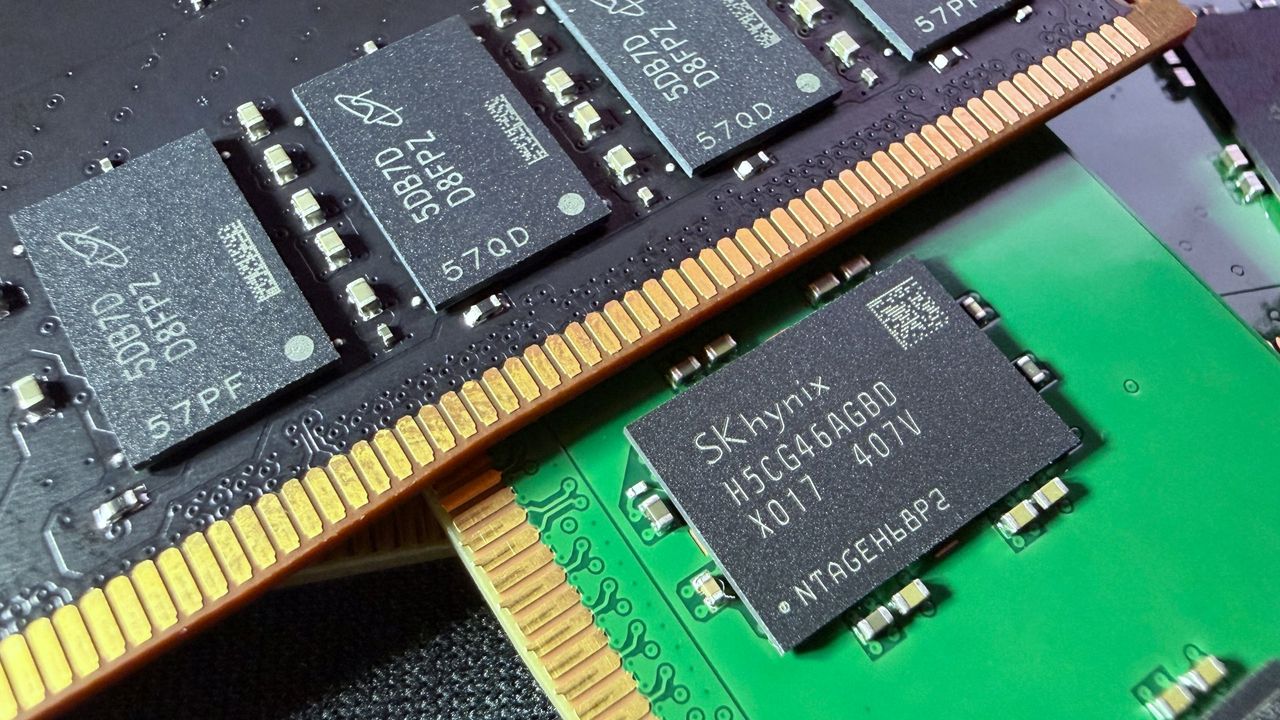
Image: courtesy of PC Gamer
SK Hynix Targets Triple Memory Chip Output by 2034, Reshaping AI and Gaming Race
Yesterday, South Korean chip giant SK hynix made a bold claim: it expects to triple its capacity for advanced memory chips by 2034, a full decade sooner than its original forecast. This aggressive acceleration, driven by the insatiable demand for artificial intelligence (AI) hardware, signals a fierce battle for market dominance in the high-performance computing sector. The company's move could dramatically alter the supply and pricing dynamics for crucial High Bandwidth Memory (HBM) chips, impacting everything from cutting-edge AI servers to the next generation of powerful gaming consoles and PCs. It's a clear signal that the race for AI dominance is intensifying, pulling the entire semiconductor industry into a faster, more competitive sprint.
Outlook
Background
At the heart of this announcement are High Bandwidth Memory, or HBM, chips. Think of them as super-fast, super-efficient memory stacks, piled high like tiny digital skyscrapers right next to the main processor. Unlike traditional memory chips, which are spread out and communicate slower, HBM can move vast amounts of data very quickly and efficiently. This speed is exactly what modern AI models and high-end graphics cards need to function without a stutter. Without enough HBM, the most powerful AI chips, like those made by Nvidia, simply cannot reach their full potential. They would be like a super-fast race car with a tiny fuel tank – it can go fast, but not for long. SK hynix has been a leader in this specific technology, especially with its HBM3 and upcoming HBM3E products, which are currently in extremely high demand from companies building AI infrastructure. The company's push to ramp up production is a direct response to the explosive growth of AI, where every major tech firm is scrambling for more processing power. This isn't just about making more chips; it's about making the right chips, at the right time, for the most profitable and strategically important parts of the tech market. It's a move to cement their leadership in a crucial component for the future of computing.
See also
Precedents
The memory chip industry has always been a cycle of boom and bust. Companies invest heavily during periods of high demand, building new factories and expanding production. This often leads to increased supply, which sometimes outstrips demand and causes prices to fall sharply. This "super cycle" then forces some players to cut back, or even leave the business, until demand catches up again. We saw similar aggressive expansion plans during the personal computer boom of the 1990s and the smartphone explosion of the 2010s. While companies often announce ambitious targets, hitting them exactly, especially on an accelerated timeline, is notoriously difficult. Production yields, unexpected technical hurdles, and global economic shifts can all throw a wrench into even the best-laid plans. It's a complex dance between predicting future demand and the huge cost and time it takes to build new chip-making facilities. However, the current AI boom feels different to some analysts; the hunger for processing power appears to be a deeper, more sustained trend than previous cycles, driven by fundamental shifts in how computing is done. But even in a new paradigm, the physics of manufacturing and the realities of capital expenditure remain, meaning these ambitious goals always carry inherent risks and potential for delays.
This isn't just a technical announcement; it's a strategic move with far-reaching consequences that will touch many parts of our digital lives. First, it dictates the pace of AI development. If HBM supply truly triples faster, AI companies can build and train larger, more complex models sooner, accelerating advancements across all sectors, from medicine to finance to entertainment. This means new AI features and capabilities could reach us years earlier. Second, it shifts the balance of power within the semiconductor industry. SK hynix is directly challenging its rivals, Samsung and Micron, to either keep up or risk losing market share in a critical, high-margin segment. This competition could spark even more innovation and investment. Third, for the average consumer, this means the technology inside their next gaming console or high-end PC could be significantly more powerful than previously imagined. More HBM chips means better graphics, faster load times, and more immersive experiences, pushing the boundaries of what home entertainment can achieve. Lastly, it raises questions about potential market dynamics. Will this lead to an oversupply down the line, causing prices to fall, or will AI demand simply absorb all the extra capacity, keeping prices elevated? The answer will define profitability for chip makers and accessibility for tech companies for years to come, influencing how quickly and cheaply advanced technology reaches everyone.
Scenarios
AnalysisOne clear path forward suggests that if SK hynix successfully ramps up production, the increased supply of HBM chips could ease some of the current bottlenecks in AI infrastructure. This might lead to a more competitive pricing environment, making advanced AI compute more accessible to a broader range of companies and researchers. For gamers, this means the next wave of GPUs and consoles could integrate higher-performing memory at a quicker pace, pushing the boundaries of visual fidelity and processing power much sooner than expected. The competitive pressure would force rivals to innovate and invest even more heavily, potentially accelerating the entire industry's progress. This scenario paints a picture of faster innovation and potentially lower costs for consumers and businesses relying on these advanced chips.
However, there is also the possibility of significant execution risk. Tripling output in a highly complex manufacturing process, especially with advanced technologies like HBM, is fraught with challenges. Technical difficulties, unexpected drops in manufacturing yield (meaning fewer good chips come out of the factory), or delays in securing necessary, expensive equipment could push back SK hynix's timeline. If they struggle, the market could remain constrained, keeping HBM prices high and potentially slowing the expansion of AI capabilities. Moreover, if AI demand doesn't grow quite as rapidly or consistently as anticipated over the next decade, this aggressive expansion could eventually lead to an oversupply, triggering a price crash that hurts profitability across the memory sector, reminiscent of past industry downturns. It's a high-stakes move, and the outcome will depend on both SK hynix's ability to deliver and the sustained appetite of the global tech industry for these cutting-edge components.
Timeline
Frequently Asked Questions
Discussion
Be the first to share your thoughts.